Introduction
Artificial Intelligence (AI) is no longer a niche research topic — it’s the backbone of modern technological innovation, powering everything from search engines to healthcare diagnostics. In 2025 and 2026, the world has seen an unprecedented surge in corporate-led AI hub builds — specialized campuses, data centers, research labs, and innovation parks designed to propel AI research, development, infrastructure, and deployment at scale.
These hubs are strategic, capital-intensive investments by governments and corporations alike aimed at securing competitive advantage in what might be the most disruptive technology of the 21st century. Collectively, these corporate AI hubs define the next phase of the digital economy by attracting top technical talent, nurturing ecosystem partners, and building the infrastructure required to support advanced AI models and applications.
In this article, we explore the Top 10 Transformative AI Hub Surge Driving Growth shaping the global AI landscape today — from sprawling data center campuses in Europe to innovation labs in Asia and specialized training centers in the United States.
1. Microsoft’s $10B AI Data Hub — Sines, Portugal

When it comes to AI infrastructure investments, few can rival Microsoft’s recent commitment in Portugal. In late 2025, Microsoft announced plans to spend $10 billion on building an AI-focused data center hub in Sines, Portugal — one of the largest corporate AI infrastructure investments in Europe.
The development of the Sines AI and data hub is significant for several strategic and technological reasons. First, its strategic location positions Sines as a critical node in global digital infrastructure, with extensive subsea cable connectivity linking Europe, Africa, and the Americas. This geographic advantage enhances low-latency data transfer and strengthens transcontinental digital integration. Moreover, the project contributes to ecosystem development by aligning with Portugal’s broader ambition to establish itself as a regional artificial intelligence center. It supports essential digital infrastructure components such as cloud computing, large-scale data storage, and high-performance computing (HPC), all of which are foundational for training and deploying advanced AI models. Finally, the initiative represents future-ready infrastructure, as it is engineered to host tens of thousands of GPUs, thereby enabling seamless integration between Microsoft’s cloud services and strategic partners across the European Union and other global markets.
This initiative illustrates how corporate AI hubs are not just about servers — they’re about building digital ecosystems that power tomorrow’s AI breakthroughs.
2. OpenAI and Partners’ “Stargate” AI Data Center Network (USA & Beyond)
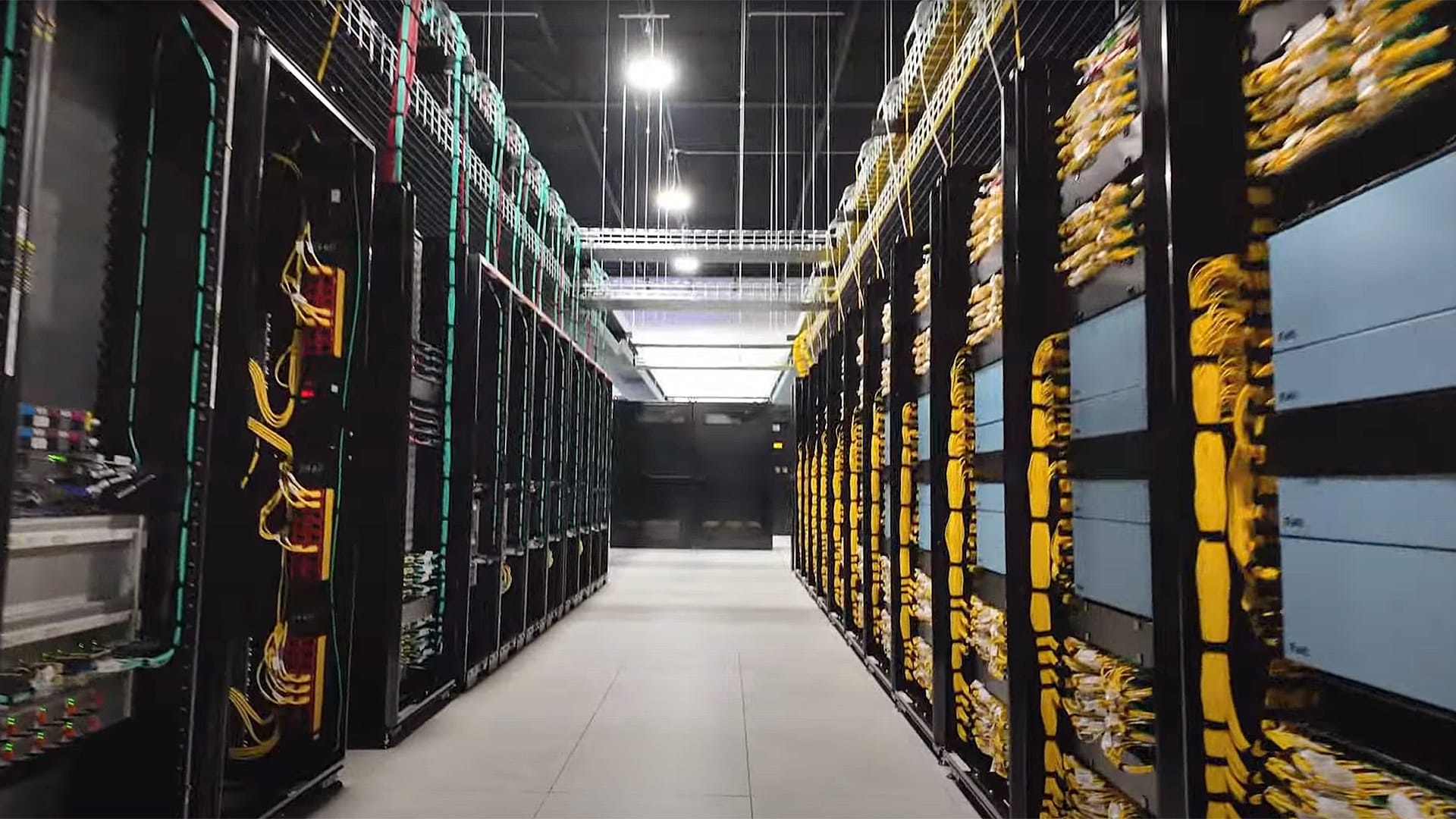
The ambitious “Stargate” project — a consortium of OpenAI, Oracle, and SoftBank — represents one of the largest coordinated AI infrastructure efforts ever announced. With a projected investment nearing $500 billion, Stargate aims to build multiple data center facilities across the United States and globally, creating an interconnected AI compute backbone that supports next-generation AI workloads.
The initiative is defined by several key highlights that underscore its scale and strategic importance. Notably, it features a multi-site deployment strategy, with facilities planned across Texas, New Mexico, Ohio, and other U.S. states, thereby ensuring geographic redundancy and distributed computing resilience. In addition, the project is designed with gigawatt-scale capacity, targeting nearly 7 gigawatts of AI computing infrastructure—an energy footprint considered essential for training and deploying increasingly large and complex artificial intelligence models. Furthermore, the development has received government backing, having been announced with support from U.S. federal initiatives, which reinforces the recognition of AI infrastructure as a matter of national competitiveness and long-term technological leadership.
This project underscores how corporate AI hubs increasingly require public–private partnerships to achieve ambitious scale and impact.
3. AWS AI Factories — Distributed Corporate AI Buildout
Amazon Web Services (AWS) has launched AWS AI Factories, a series of dedicated AI infrastructure builds aimed at enterprises and governments. These hubs — delivered as integrated, managed systems in customer data centers.
The offering centers on custom AI compute stacks that integrate GPU-based acceleration, high-speed networking, and optimized software layers to maximize performance and efficiency for advanced workloads. In addition, private deployment models are supported, enabling organizations with stringent security, compliance, and low-latency requirements to operate AI infrastructure within controlled and dedicated environments.
AWS’s approach is decentralized — enabling smaller hubs that collectively form a global corporate AI ecosystem. These AI factories are especially useful for regulated sectors like finance and healthcare where data security is paramount.
4. Microsoft Research Asia – Singapore Lab (Asia AI Research Hub)
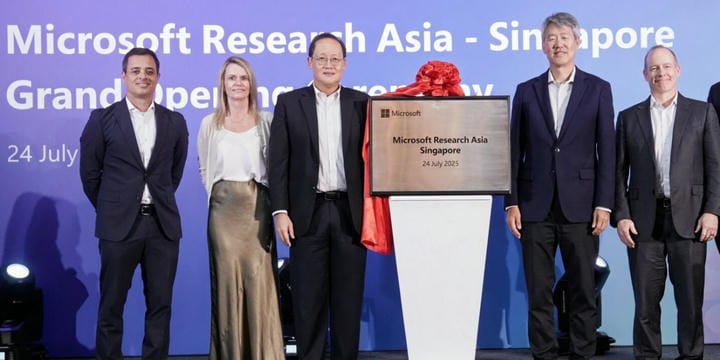
Microsoft expanded its AI research footprint in Southeast Asia by opening Microsoft Research Asia’s first Singapore lab in mid-2025. The hub focuses on cutting-edge AI research and innovation that spans industries such as healthcare, finance, and smart cities.
Singapore is positioning itself as a leading technology innovation hub, supported by forward-looking policies that promote talent development, accelerate AI adoption, and foster cross-sector collaboration.
This strategic lab illustrates how corporate AI hubs are often built within broader digital ecosystems that include research institutions, universities, and government support.
5. Alibaba Cloud Global AI Innovation Hub (Singapore)
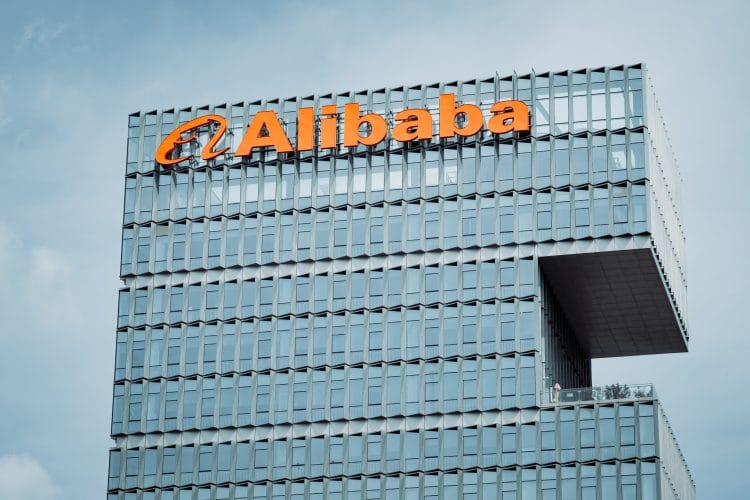
Alibaba Cloud — the cloud computing division of Alibaba Group — unveiled its AI Global Competency Centre (AIGCC) in Singapore, designed to foster collaboration among more than 1,000 companies and startups.
What distinguishes this hub is its seamless integration of virtual and physical engagement. While primarily designed as a cloud-based platform for AI development, it also facilitates in-person innovation initiatives that strengthen collaboration and knowledge exchange. Moreover, it enables startup growth at scale, supporting more than 100,000 developers worldwide in building next-generation AI solutions.
This hub highlights how corporate builds are adapting to distributed and hybrid models that scale beyond traditional data center footprints.
6. Apple’s AI Facility Expansion — Houston, USA
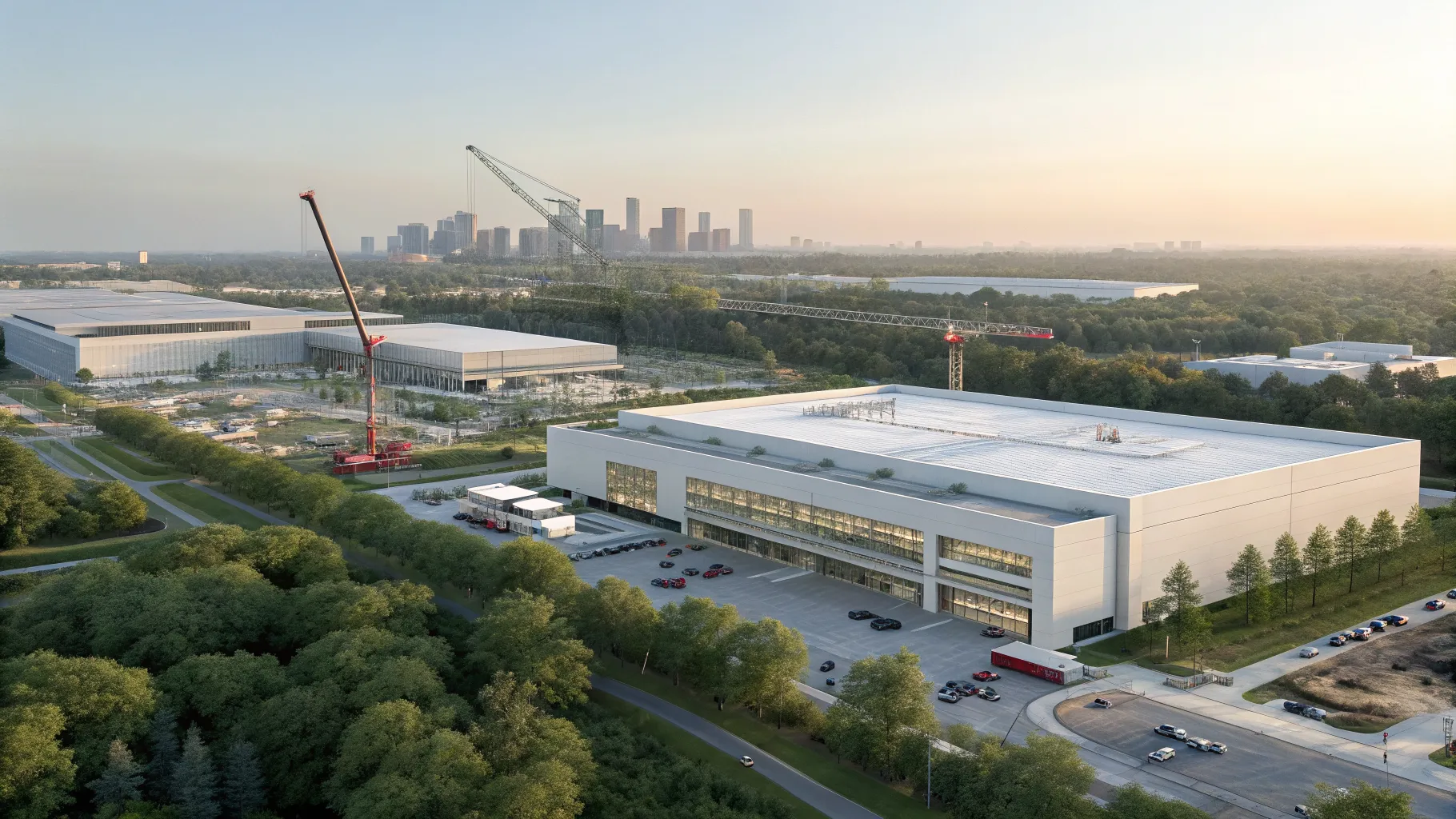
Apple Inc.’s expansion in Houston reflects the company’s broader strategy to integrate AI manufacturing, advanced workforce training, and server production within its domestic ecosystem. The project includes the development of a 500,000-square-foot AI production facility designed to support next-generation hardware initiatives, alongside a 20,000-square-foot advanced training center aimed at upskilling technical talent. In addition, partnerships with local educational institutions are being established to strengthen the regional talent pipeline and reinforce long-term innovation capacity.
The facility supports Apple Intelligence features and serves as a corporate hub focused on workforce development and AI-optimized hardware production.
7. Google’s Global AI Engineering Centers (Taipei & Beyond)
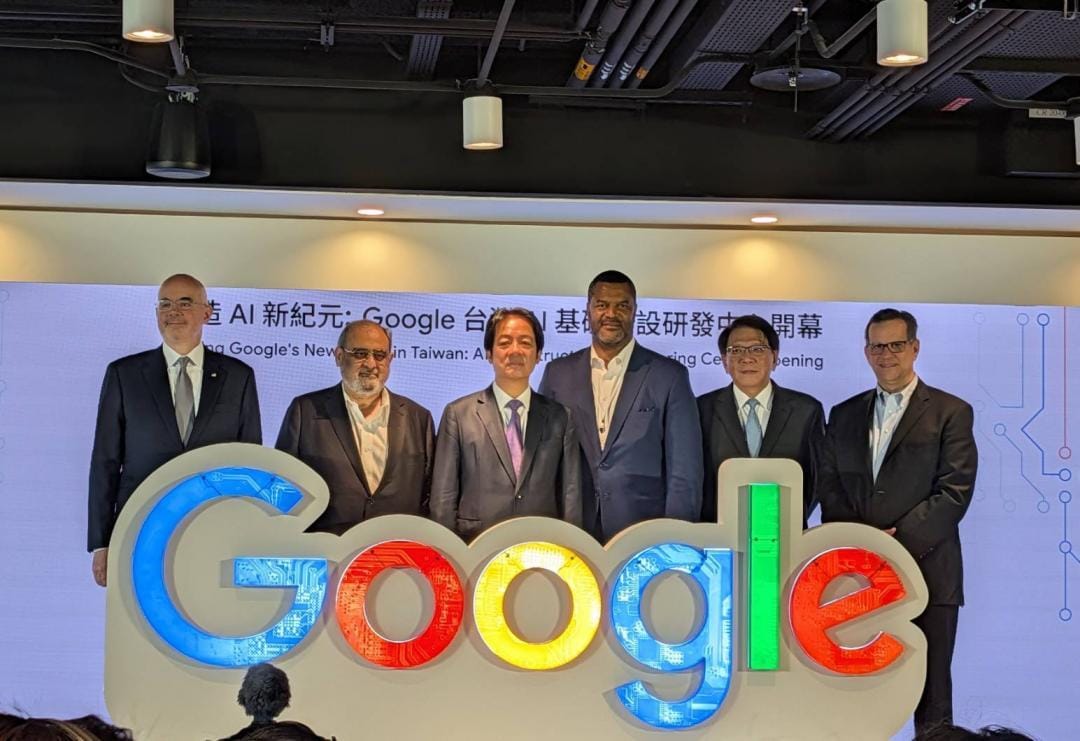
Google continues to build AI hubs outside its headquarters in Silicon Valley with the launch of major AI engineering centers overseas — including its largest hardware engineering facility in Taipei, Taiwan.
The initiative carries substantial strategic significance, as it is focused on AI infrastructure hardware—an essential backbone for global cloud operations and large-scale model deployment. By strengthening capabilities in this domain, it positions Taiwan as a critical node within Google’s broader AI supply and innovation chain, reinforcing its role in advanced manufacturing, semiconductor integration, and next-generation data center technologies.
This reflects a broader trend where corporate AI hubs are used not just for software research, but for hardware and infrastructure engineering too.
8. Singapore Corporate AI Ecosystem Accelerator
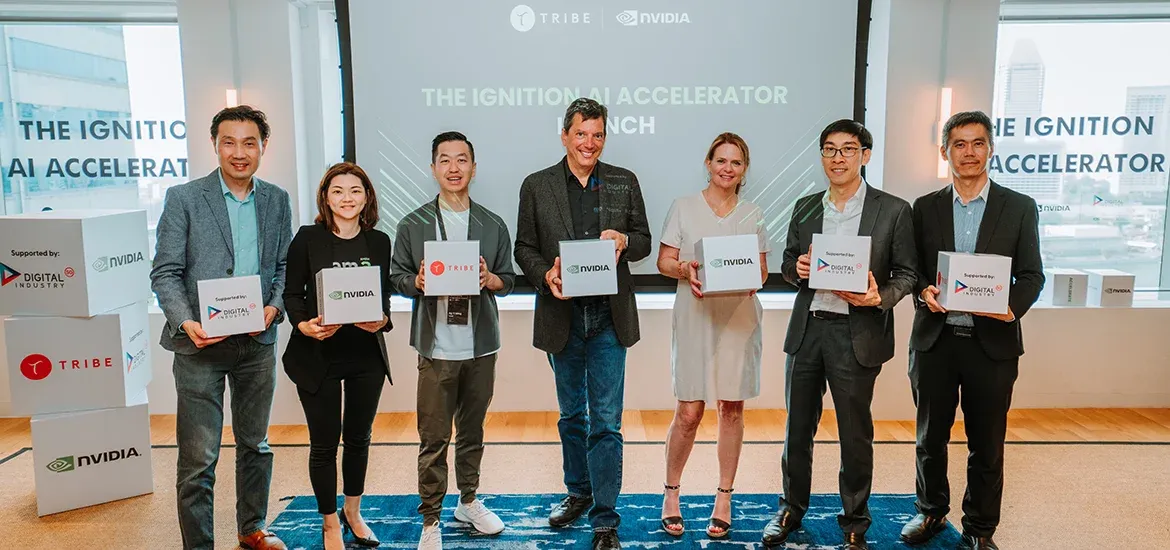
Singapore continues to attract international AI hub investments — not just from Microsoft and Alibaba — but from multiple global corporations seeking a foothold in Asia’s fast-growing AI market.
Examples of prominent AI innovation initiatives in the region include the Google–NUS AI Research Center, the Alibaba Cloud AI Hub, Microsoft Research Asia, and AI innovation centers established by Tata Consultancy Services and PwC, alongside Grab’s AI Center of Excellence. Collectively, these institutions and corporate-led hubs demonstrate a strong ecosystem of cross-border research collaboration, enterprise AI deployment, and applied innovation across both public and private sectors.
These various builds create a multi-tenant innovation ecosystem that supports research, talent development, and commercial AI deployments for the entire ASEAN region.
9. Corporate Innovation Parks and European AI Ecosystems
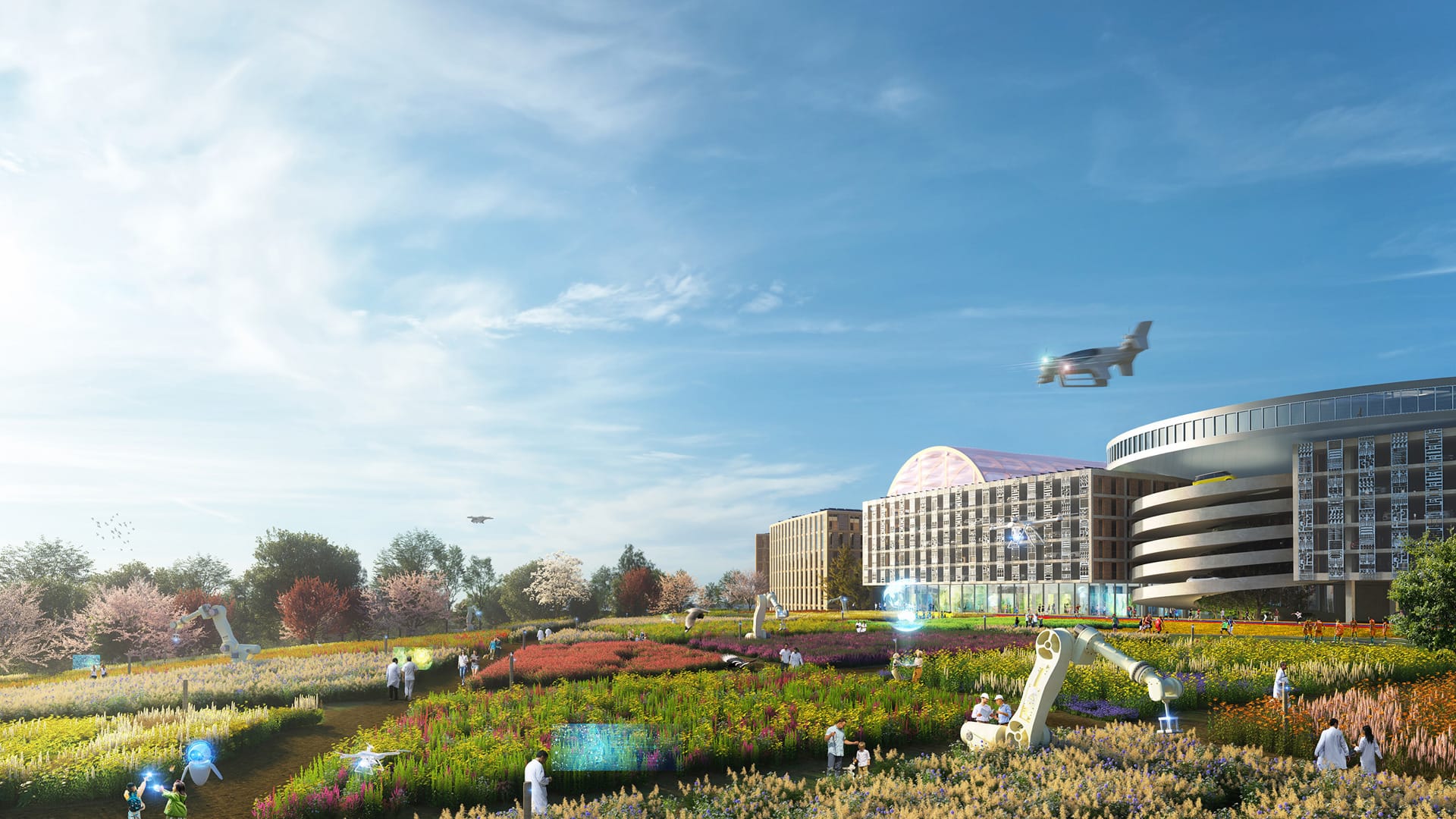
While not always corporate-owned, significant projects such as the Innovation Park Artificial Intelligence (IPAI) in Germany attract corporate participation and are rapidly becoming private-sector AI hubs in Europe.
IPAI is designed to unite industry, academia, and startups into a cohesive and collaborative AI community, fostering cross-sector innovation and shared research initiatives. Corporations such as Deutsche Telekom, along with other technology firms, are participating through joint research programs and integrated co-working spaces intended to accelerate applied AI development. Construction is scheduled to begin in 2025, with the first phase of occupancy targeted for 2027, marking a structured timeline for the hub’s operational launch.
Such hybrid public-private hubs show how large corporations are investing beyond data centers into ecosystem-wide AI innovation.
10. CoreWeave and Corporate Cloud AI Infrastructure Hubs
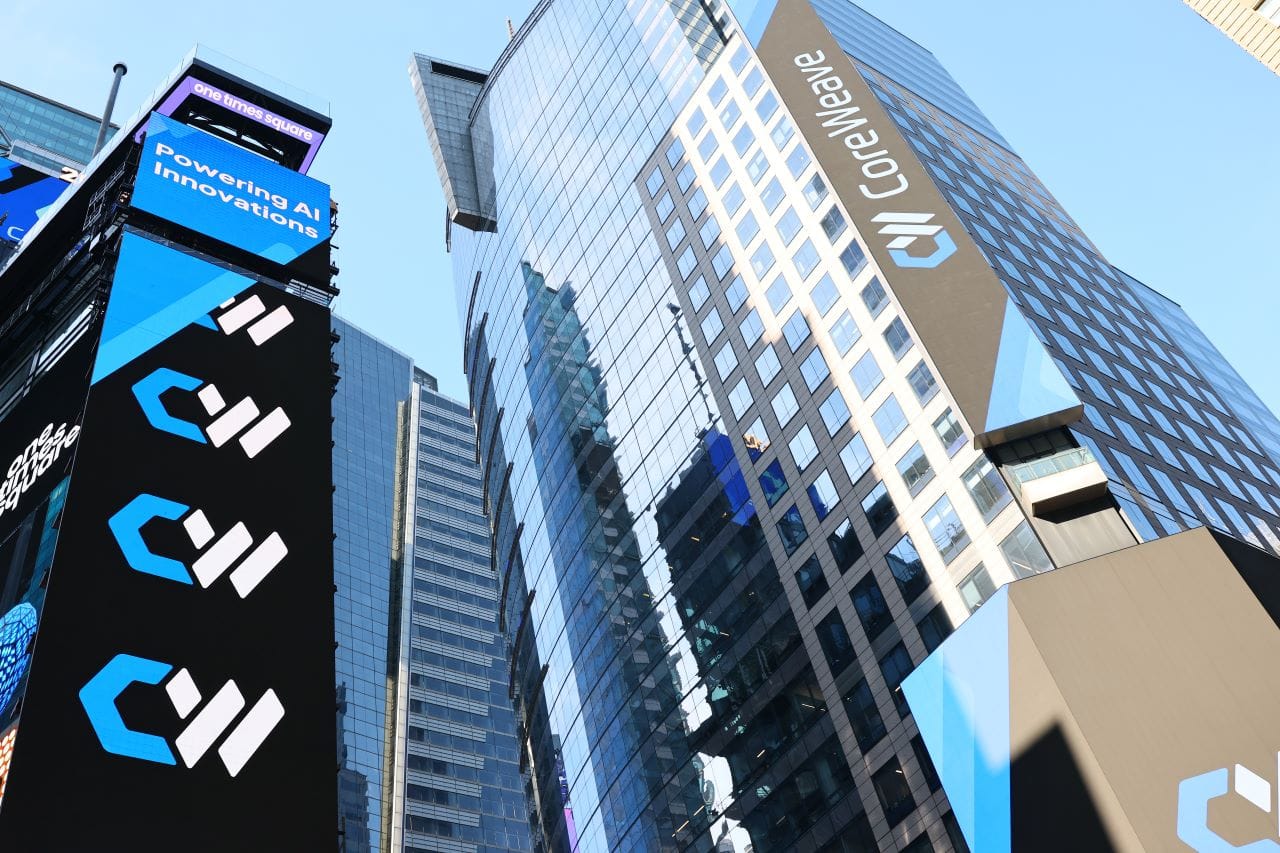
While not branded as “AI hubs” in the traditional sense, corporate cloud infrastructure providers like CoreWeave play a pivotal role in powering many of the corporate AI hubs listed above.
CoreWeave operates dedicated GPU clouds and data centers used by major corporate customers and AI developers, and significantly expands corporate AI compute capacity globally — including large data centers in the U.S. and Europe.
Conclusion
Over the past year, the corporate AI landscape has evolved at an accelerated pace, marked by unprecedented scale and strategic intent. Massive infrastructure investments have been undertaken by companies such as Microsoft and high-profile joint ventures like Stargate, with tens to hundreds of billions of dollars being allocated to AI-focused data centers. At the same time, regional AI innovation ecosystems have strengthened, with Singapore emerging as a leading hub in Asia by hosting multiple corporate AI laboratories and innovation centers. Moreover, hardware expansion and workforce development have become central priorities, as reflected in initiatives by Apple Inc. and Google, where AI hardware campuses and advanced training centers signal that corporate AI hubs now extend beyond cloud infrastructure to encompass physical manufacturing and skills development. Collectively, these hubs are more than physical structures; they function as strategic assets that shape the trajectory of AI advancement, economic competitiveness, and global technological opportunity.
Don’t miss out—read more trending tech insights here.