The global sports industry is undergoing a structural transformation. What was once a relatively stable ecosystem—anchored in broadcasting rights, ticket sales, and sponsorships—has been reshaped by digital disruption, shifting consumer behaviors, and evolving monetization models. As of 2026, the industry is valued at approximately $417 billion and projected to reach $602 billion by 2030, signaling strong growth momentum despite underlying volatility.
At the same time, technological innovation, particularly artificial intelligence, streaming platforms, and direct-to-consumer (DTC) models, is redefining how sports are produced, distributed, and consumed.
This comprehensive article outlines the Top 10 Must-Know Lessons from Sports Business Trends Now, drawing from current events, industry reports, and real-world case studies. Each lesson reflects strategic insights that sports executives, marketers, investors, and entrepreneurs should understand in order to navigate the modern sports economy.
1. The Sports Industry Is Becoming a Technology Business

The Shift Toward Digital Infrastructure
Traditionally, sports organizations were seen as entertainment entities. However, in recent years, they have increasingly been reclassified as technology-driven media companies. This transformation has been accelerated by advancements in artificial intelligence, cloud computing, and data analytics.
AI is now being embedded across operations—from performance analytics and injury prevention to fan engagement and content personalization. According to industry leaders, AI is enabling more interactive and personalized fan experiences, while also improving decision-making at both the team and league levels.
Moreover, a study by Morgan Stanley highlights that the sports industry could unlock $130 billion in additional revenue simply by accelerating technology adoption.
Sports organizations must invest heavily in digital infrastructure. Without it, they risk falling behind competitors who are leveraging data to drive both performance and profitability.
2. Media Rights Are Fragmenting—and Getting More Complex
From Broadcast Dominance to Streaming Chaos
For decades, broadcast television dominated sports media rights. However, the rise of streaming platforms has fragmented the landscape. Today, fans must navigate multiple services to watch different leagues and events.
For example:
- Major leagues are signing deals with streaming platforms like Netflix and Paramount+
- New entrants such as DAZN are expanding aggressively into global sports streaming
- Hybrid distribution models (broadcast + streaming) are becoming standard
The National Football League’s shift toward streaming has raised regulatory concerns, particularly around potential risks to its antitrust protections, highlighting how the evolving sports media landscape is becoming more complex and scrutinized; meanwhile, emerging sports streaming trends include exclusive rights deals such as the Ultimate Fighting Championship’s multi-billion agreement with Paramount+, the rapid growth of direct-to-consumer (DTC) platforms offering personalized fan experiences, and the expansion of free ad-supported streaming television (FAST) services that are increasingly replacing traditional regional sports networks, collectively reshaping how live sports content is distributed, monetized, and consumed globally.
Media rights are no longer just about selling to the highest bidder. Instead, they require strategic distribution planning that balances revenue, accessibility, and long-term fan growth.
3. Athlete Monetization Has Entered a New Era (NIL Revolution)
The Rise of Athlete-as-Brand
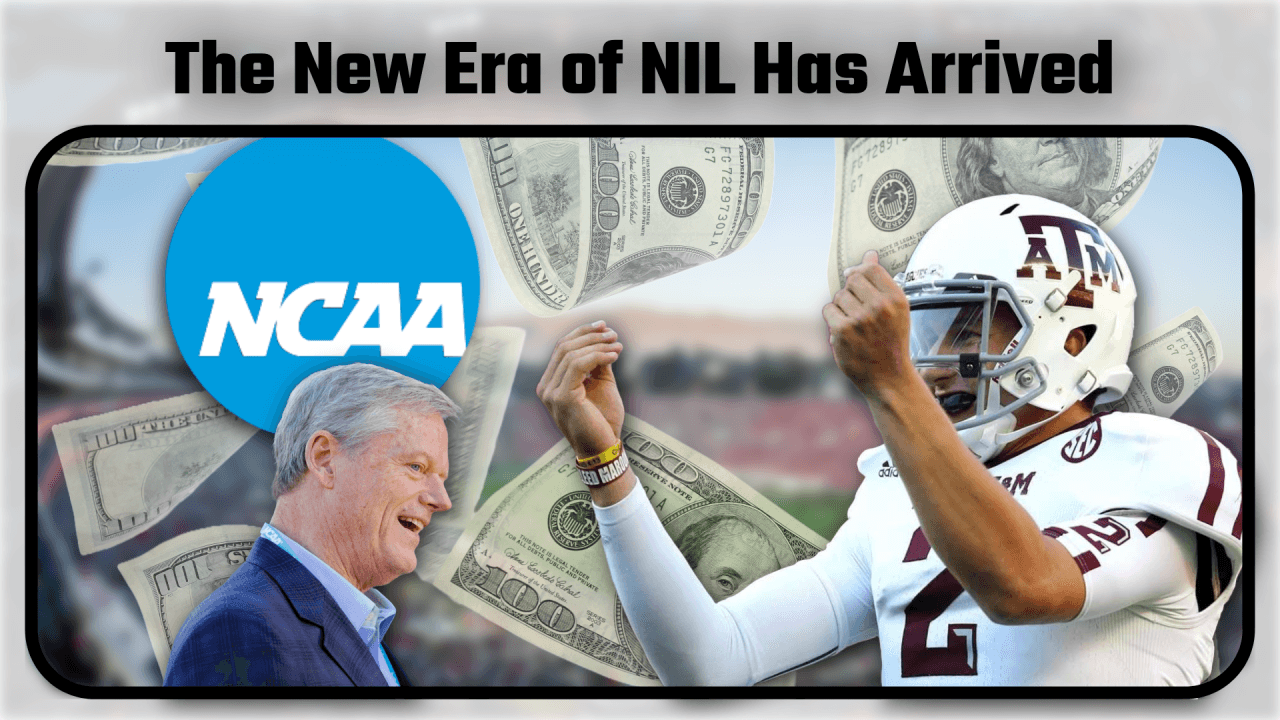
One of the most disruptive changes in sports business has been the introduction of Name, Image, and Likeness (NIL) rights in college athletics.
In 2026, the NIL (Name, Image, and Likeness) era has transformed college athletics into a quasi-professional marketplace, with over 50 student-athletes earning seven-figure incomes and top players often making more in college than as professional rookies; as a result, some athletes are strategically delaying pro careers to maximize NIL opportunities, while universities are now managing NIL budgets similarly to salary caps, brands are investing earlier in athlete partnerships, and social media influence has become just as critical as on-field performance in driving value and visibility.
Athletes are no longer just talent—they are independent media properties. Organizations must adapt to a decentralized economic model where power is shared with players.
4. Fan Engagement Is Becoming Hyper-Personalized
From Mass Audiences to Micro-Communities
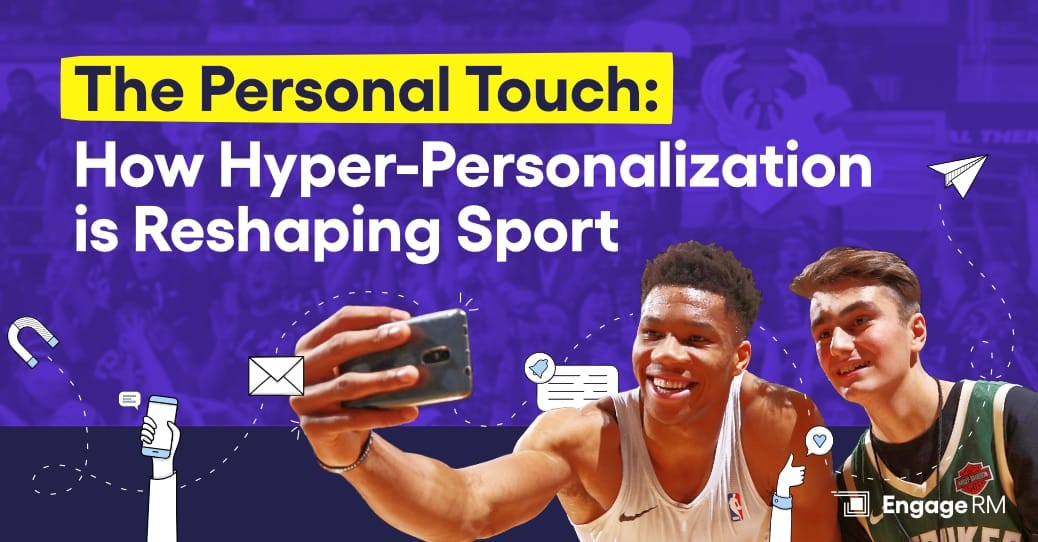
Modern sports fans expect tailored experiences. This has led to the rise of:
- Personalized content feeds
- Interactive live streams
- Community-driven platforms
Startups like Playback are building “Twitch for sports” environments, where fans can watch games alongside influencers and interact in real time.
Meanwhile, AI-driven platforms are enabling deeper engagement through predictive analytics and behavioral insights.
In today’s evolving sports business landscape, data has become the new currency, with first-party data collection now playing a critical role in modern sports marketing strategies. Teams and leagues are increasingly prioritizing ownership of fan data, enabling them to build direct, long-term relationships while reducing dependence on third-party platforms. As a result, fan engagement is being transformed from a traditional broadcasting model into a more personalized, data-driven approach, where tailored content and experiences drive loyalty, retention, and revenue growth—making data-centric relationship building essential for sustainable success in the sports industry.
5. Sports and Entertainment Are Converging
The Rise of “Sportainment”
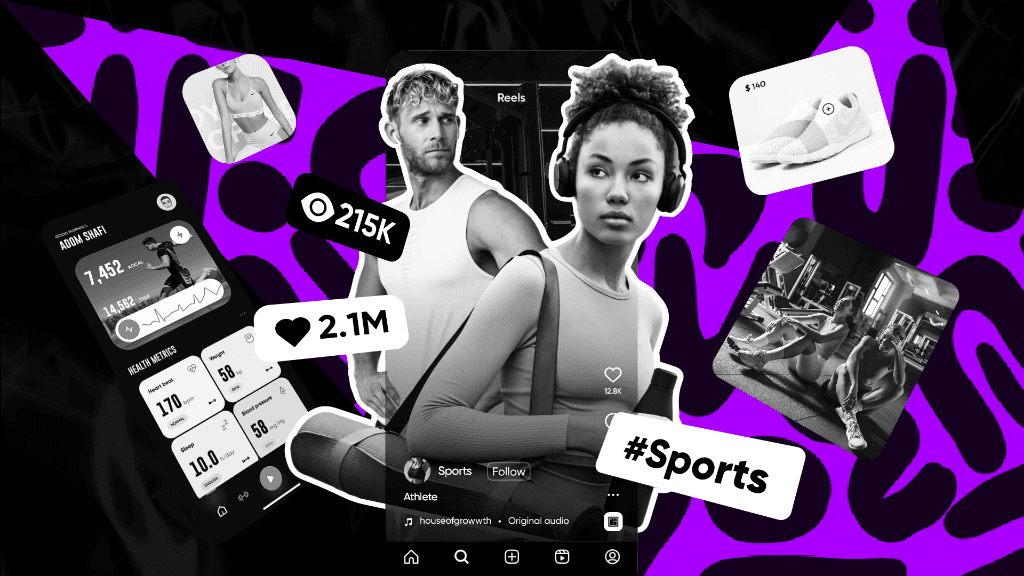
Sports are no longer just competitions—they are entertainment products integrated with storytelling, celebrity culture, and digital media.
For example:
- Netflix’s sports documentaries have driven massive audience growth
- Events are being packaged as entertainment spectacles
- Athletes are becoming influencers and content creators
This convergence is particularly evident in combat sports, where storytelling and promotion are as important as the fights themselves.
To remain competitive, sports organizations must think beyond games and focus on content ecosystems that extend across platforms.
6. Capital Investment Is Reshaping Ownership Models

The Rise of Institutional Investors
Private equity and sovereign wealth funds are increasingly investing in sports franchises and leagues.
Recent trends include:
- Multi-club ownership models
- Cross-border investments
- Strategic partnerships with media and tech companies
This influx of capital is driving higher team valuations. For instance, MLB franchise valuations have surged significantly, with teams like the Kansas City Royals reaching $1.64 billion.
Sports ownership is becoming more institutionalized, requiring corporate governance, financial discipline, and scalable business models.
7. Venue Strategy Is Evolving Beyond Game Day

From Stadiums to Multi-Use Ecosystems
Modern sports venues are being designed as year-round entertainment hubs, rather than single-use facilities.
These venues now include:
- Retail and dining spaces
- Concert and event hosting
- Digital experiences and immersive technology
This shift is being driven by the need to diversify revenue streams and reduce dependence on ticket sales.
Stadiums must evolve into multi-purpose destinations that generate revenue beyond live games.
8. Women’s Sports Are Experiencing Explosive Growth
A Massive Untapped Market
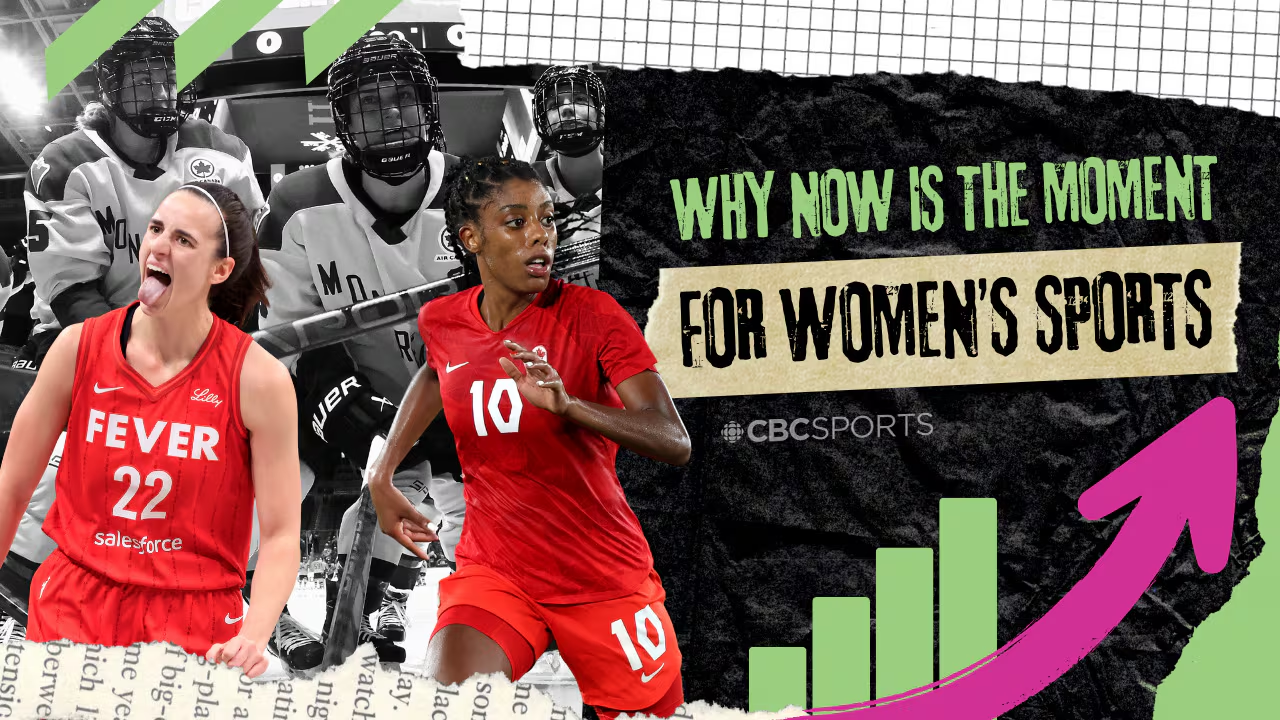
Women’s sports are scaling rapidly, with projections indicating significant increases in global fanbases and revenue potential.
For example:
- Women’s football is expected to grow from 500 million to 800 million fans by 2030
- Sponsorship and media rights deals are increasing
- Brands are recognizing the value of diverse audiences
Investing in women’s sports is no longer optional—it is a high-growth opportunity with long-term commercial potential.
9. The Economics of Broadcasting Are Being Rewritten
The Decline of Regional Sports Networks (RSNs)
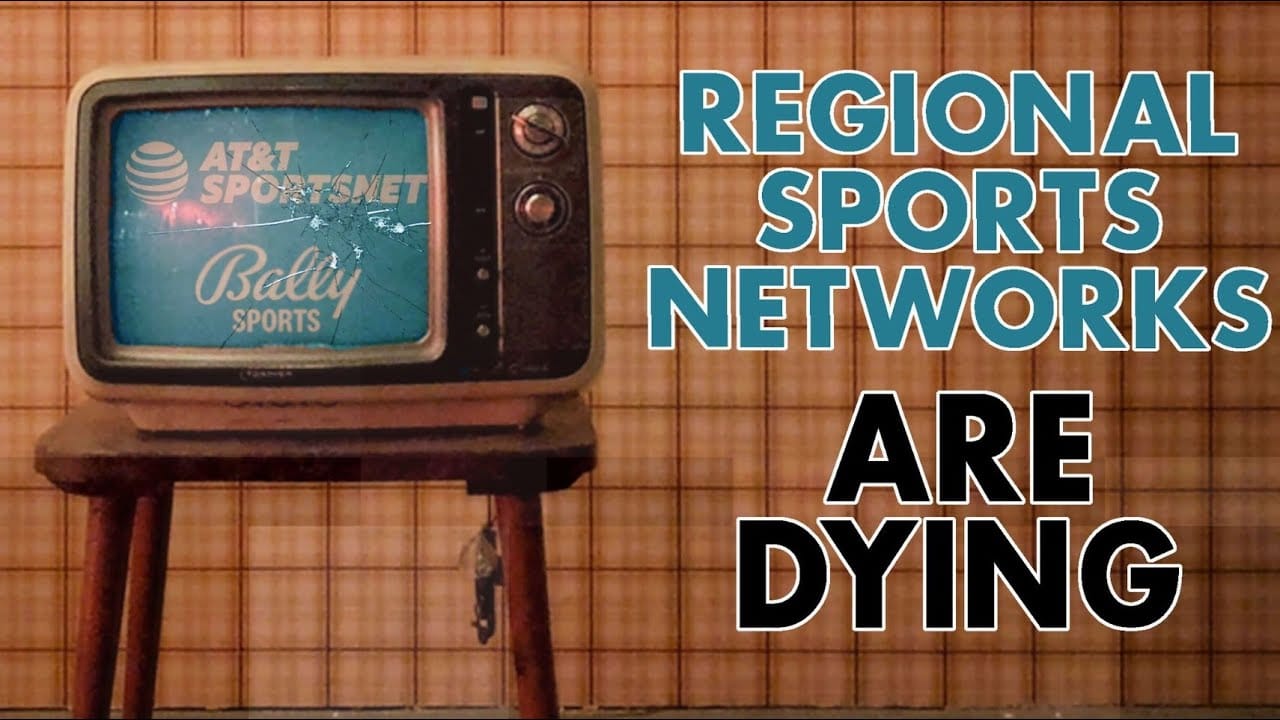
Regional sports networks have traditionally been a major revenue source. However, many are now collapsing or being replaced by digital alternatives.
Consequences include:
- Reduced guaranteed revenue for teams
- Increased reliance on sponsorships and ticket sales
- Greater emphasis on direct fan relationships
Some teams have already shifted to free-to-air or streaming models, sacrificing short-term revenue for long-term audience growth.
Revenue models are shifting from fixed contracts to variable, engagement-driven income streams.
10. Globalization and New Markets Are Driving Growth

Expanding Beyond Traditional Markets
Sports leagues are increasingly expanding into international markets through global media rights deals, overseas tours, and localized marketing strategies, while streaming platforms continue acquiring multi-region broadcasting rights, major events such as the FIFA World Cup 2026 are expected to significantly boost worldwide engagement, and emerging economies are becoming key drivers of long-term growth in the global sports industry.
Future growth will be driven by global expansion, requiring localized strategies and culturally relevant content.
Conclusion:
The sports industry has evolved beyond on-field competition into a highly complex, technology-driven ecosystem shaped by digital transformation, global media rights, and shifting economic forces. Today’s sports business landscape is increasingly defined by data analytics, streaming platforms, and direct-to-consumer engagement models, where fan experience and digital accessibility are prioritized over traditional broadcast structures. As a result, the industry now operates at the intersection of sports, entertainment, and technology, with athletes, teams, and leagues functioning as global brands within an interconnected digital economy.
Across current sports business trends, several strategic themes consistently emerge, including the non-negotiable role of digital transformation, the shift from broadcast-centric to fan-centric engagement models, and the rise of athletes as independent commercial entities through branding and NIL opportunities. In addition, revenue diversification beyond ticketing and traditional media rights has become essential, while global expansion continues to intensify competition and unlock new markets. Ultimately, organizations that succeed in this evolving sports industry are those that prioritize innovation, operational agility, and data-driven decision-making, while those that rely on legacy systems and outdated models face increasing disruption in an accelerating, digitally dominated sports economy.
Click here to read more trending SPORTS news and latest updates.