Family travel in 2026 is being reshaped by shifting priorities, evolving technology, and a deeper desire for meaningful experiences. Across the globe, families are traveling more frequently, spending more intentionally, and redefining what a “vacation” truly means. In fact, recent studies show that over 92% of parents are planning to travel with their children, signaling a continued boom in the family travel sector.
At the same time, preferences are changing. Instead of rushed itineraries and crowded attractions, families are increasingly seeking connection, flexibility, sustainability, and personalization. Experiences are being prioritized over material goods, with 86% of travelers valuing shared moments more than physical souvenirs.
Moreover, families are no longer just “traveling”—they are curating experiences that reflect their values and lifestyles.
1. Multi-Generational Travel Takes Center Stage

One of the most dominant trends in 2026 is the rise of multi-generational travel, where grandparents, parents, and children travel together.
Recent data shows:
- 57% of families are planning trips with grandparents and children
- 71% of grandparents have already participated in such trips
Family bonds are being prioritized more than ever. These trips allow:
- Shared childcare responsibilities
- Deeper emotional connections
- Celebration of milestones
Popular Multi-Gen Destinations:
- Beach resorts
- Cruise vacations
- Cultural heritage sites
2. Experience-First Travel (Memory Over Material)

In 2026, family vacations are no longer about luxury shopping or ticking destinations off a list. Instead, they are centered on shared experiences.
- 84% of families seek activities everyone can enjoy together
- Cooking classes abroad
- Wildlife safaris
- Cultural immersion tours
Experiences foster:
- Stronger emotional bonds
- Long-lasting memories
- Educational value for children
3. Slow Travel and Intentional Itineraries

“Slow travel” has emerged as a defining movement for families in 2026. Instead of rushing through multiple cities, families are choosing to stay longer in one destination.
Key Characteristics:
- Fewer destinations
- Longer stays
- Deeper cultural immersion
Benefits:
- Reduced stress for parents
- Better adaptation for kids
- Lower travel fatigue
Families are also embracing intentional travel, focusing on meaningful and purposeful experiences.
4. Short Getaways and Micro-Vacations

While long vacations remain popular, short trips and weekend getaways are rapidly gaining traction.
Why Families Love It:
- Easier to plan
- More affordable
- Fits busy schedules
Even a 2–3 day trip can provide significant emotional and mental benefits.
- Staycations
- Nearby beach trips
- Quick nature escapes
5. Kid-Led Travel Planning (“Kidfluence”)

Children are now playing a major role in shaping travel decisions—a trend often called “kidfluence.”
What This Looks Like:
- Kids choosing destinations
- Activities tailored to children’s interests
- Family itineraries influenced by trends, games, or shows
This shift ensures:
- Higher engagement from kids
- More enjoyable trips for the entire family
6. Nature and Wildlife Experiences
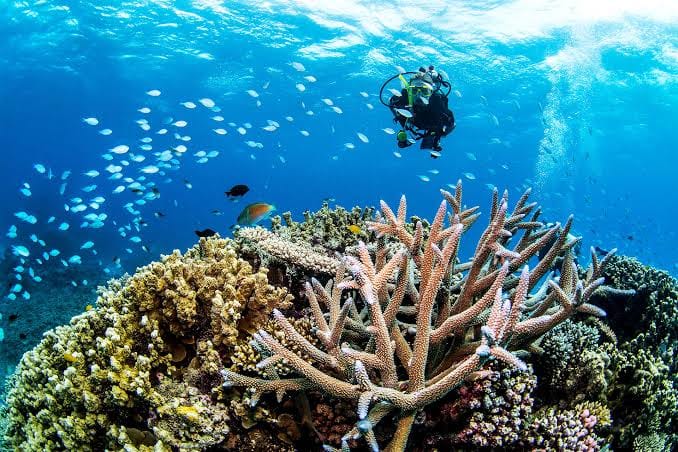
Families in 2026 are moving away from crowded tourist spots and toward nature-based experiences.
Trending Activities:
- National park visits
- Safari adventures
- Marine wildlife tours
Destinations like Costa Rica and the Galápagos are gaining popularity due to their immersive ecosystems.
- Educational for children
- Encourages environmental awareness
- Promotes digital detox
7. Digital Detox and “No-Screen” Vacations

Technology fatigue has led to a rise in screen-free travel experiences.
- 58% of parents plan to enforce no-screen time during trips
Activities Replacing Screens:
- Outdoor adventures
- Board games
- Family storytelling
This trend reflects a broader desire to:
- Improve mental well-being
- Strengthen family interaction
8. Budget-Conscious and Value-Driven Travel

Despite increased spending, families are becoming more strategic with their budgets.
- 73% of parents cite affordability as a major concern
Money-Saving Strategies:
- Booking accommodations with kitchens
- Traveling off-peak
- Choosing lesser-known destinations
Result:
Families are getting more value without sacrificing quality.
9. Off-the-Beaten-Path Destinations

Overtourism has pushed families to explore less crowded, underrated destinations.
- Secondary cities
- Rural areas
- Emerging travel hotspots
Benefits:
- Lower costs
- Authentic experiences
- Fewer crowds
This trend aligns with the broader movement toward authentic and immersive travel.
10. Personalized and Themed Travel Experiences
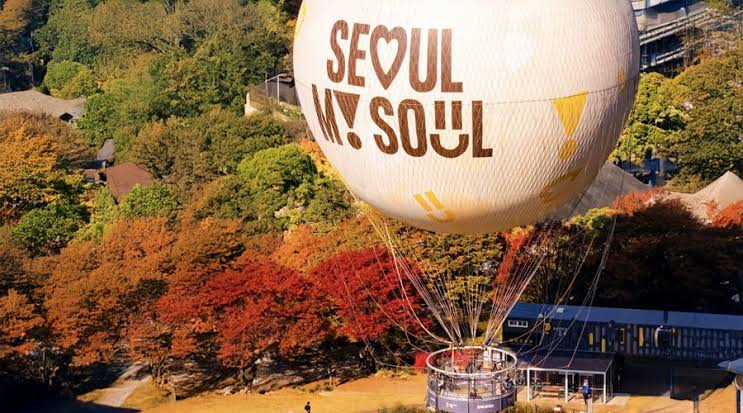
Finally, personalization is shaping how families travel in 2026.
Popular Themes:
- Ancestry travel
- Pop culture-inspired trips
- Event-based travel (sports, festivals)
Travel is becoming highly customized, with families designing trips around their interests and passions.
To summarize, family travel in 2026 is being defined by:
- Connection over consumption
- Flexibility over rigid schedules
- Experiences over destinations
- Purpose over popularity
Families are not just traveling more—they are traveling smarter and more meaningfully.
Focus on activities your family will remember.
✔ Involve Everyone in Planning
Let kids contribute ideas to increase engagement.
✔ Prioritize Comfort and Flexibility
Avoid overpacked itineraries.
✔ Think Sustainability
Support eco-friendly accommodations and local businesses.
✔ Budget Wisely
Final Thoughts
Family travel in 2026 reflects a deeper cultural shift toward intentional living, meaningful connections, and shared experiences. Whether it is a multi-generational beach trip, a wildlife adventure, or a simple weekend getaway, the focus has shifted from “where you go” to “how you experience it together.”
As trends continue to evolve, one thing remains clear:
The future of family travel is not just about seeing the world—it is about experiencing it together in more meaningful ways than ever before.
Stay updated with the hottest TRAVEL trends—click here