Introduction
Health-forward homes are no longer a niche. Across the globe, architects, developers, and homeowners are increasingly prioritizing design that supports physical, mental, and environmental well-being. This longform guide explains the Top 10 wellness-driven home design features that are being specified, built, and bought in 2024–2025, why each feature matters, and how these features can be implemented in real homes — from apartments to single-family houses.
1 — Biophilic design: the healing power of nature at home
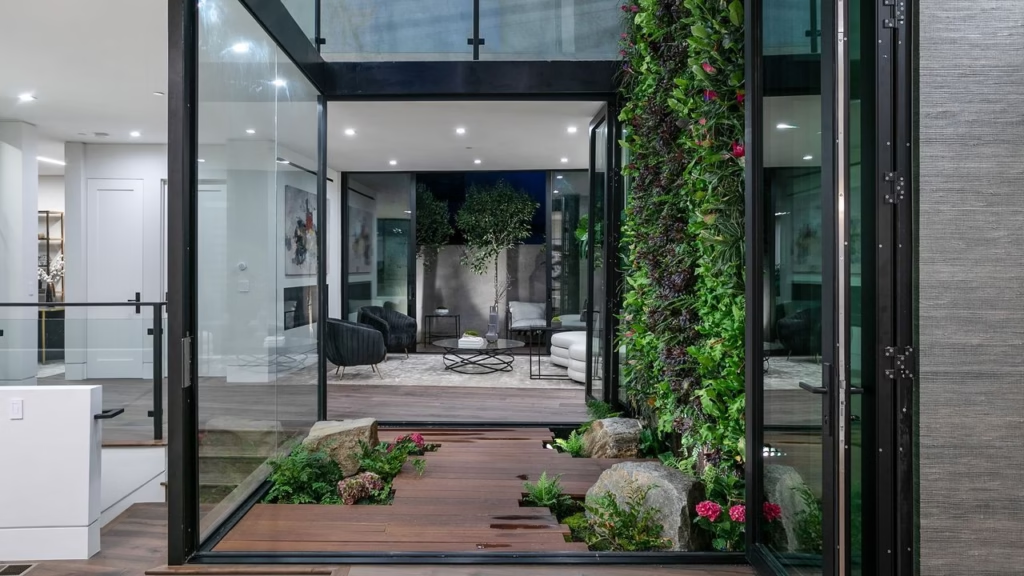
Biophilic design is the purposeful inclusion of nature-inspired elements — such as plants, natural materials, daylight, water, and views — to improve wellbeing. It is increasingly being applied not just in offices and hospitals but in residential projects, because evidence shows that contact with natural elements reduces stress, improves mood, and can support cognitive functioning. Recent reviews and empirical studies have reinforced these claims in health and built-environment literature.
Designers are specifying living green walls, deep window seats with views, indoor planters integrated into furniture, and textured natural materials (wood, stone, woven fibers). Developers of wellness-branded residences are going further: private terraces, communal gardens, and landscaping that supports biodiversity have been marketed as wellness-driven differentiators. Houzz and industry trend reports show rising consumer interest in “organic modern” interiors and wellness spaces.
Practical design tips
- Maximize daylight where possible: place main living spaces and work areas near large windows or glazed doors; light shelves and clerestories can partially daylight deeper plans.
- Layer plants: use floor plants, tabletop plants, and trailing plants to create depth; choose low-maintenance species for interiors (e.g., pothos, ficus elastica, philodendron).
- Introduce natural materials: specify FSC-certified wood, natural stone, and woven textiles — not only for aesthetics but because tactile, natural surfaces were shown to increase perceived comfort.
- Use water carefully: small indoor waterfalls or fountain features can provide soothing sound but must be detailed to avoid humidity issues or microbial growth.
A compact apartment’s living wall and a window bench were used to create a micro-garden that doubles as a daylight-rich workspace; indoor plants were used for mood improvement and as low-tech air buffering (though plants alone do not replace filtration). Evidence for stress reduction and patient benefits from biophilic interventions in healthcare settings has been published, strengthening the case for residential application.
2 — High-performance indoor air quality: HVAC, filtration, and ventilation
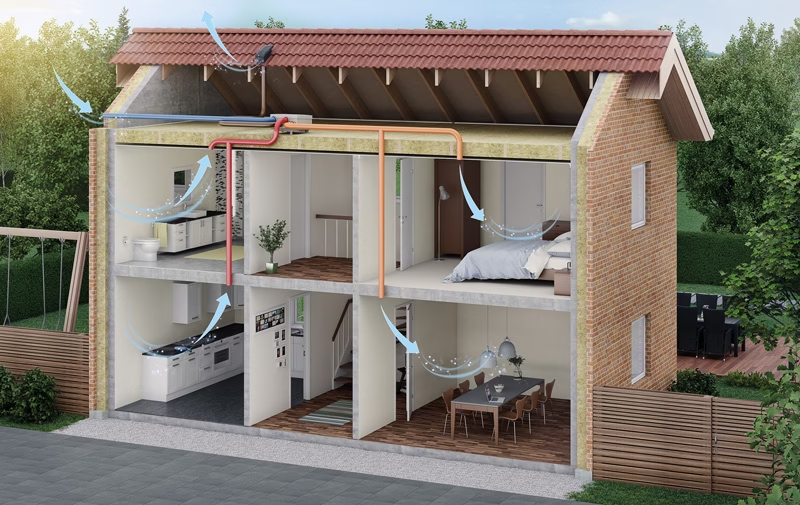
Indoor air was highlighted by public-health authorities after the pandemic as a key factor in respiratory health and disease transmission. Separately, long-term exposure to particulate matter and volatile organic compounds (VOCs) is associated with chronic illness. Therefore, homes are being designed or retrofitted with improved ventilation strategies, filtration, and monitoring. The WHO has emphasized household air pollution and clean household fuels as central to health interventions.
Mechanical ventilation with heat or energy recovery (MVHR/HRV) delivers a steady supply of fresh air while improving energy efficiency, and its performance is strengthened by using minimum MERV13 or HEPA-grade filtration, especially in homes with allergy concerns or high outdoor pollution. To maintain consistently healthy indoor air, continuous monitoring of CO₂, PM2.5, and VOC levels can be integrated with automated ventilation controls. At the same time, source control measures—such as specifying low-VOC finishes, using sealed combustion appliances, and implementing effective kitchen and bathroom exhaust systems—help reduce pollutants at their origin and create a cleaner, safer indoor environment.
WELL and ASHRAE guidance have been used as technical references to align HVAC operations with health outcomes.
Design & retrofit guidance
In an existing home, measurable indoor air improvements can be achieved by combining portable HEPA purifiers in key rooms with window trickle vents and targeted kitchen exhaust. For new builds, it is best to incorporate balanced mechanical ventilation with heat recovery and a dedicated, easily serviceable filtration bank. To maintain consistent air quality, homeowners should install a visible indoor-air quality display that prompts occupants to ventilate or adjust systems as needed. Additionally, demand-controlled ventilation using humidity and CO₂ sensors can automatically increase airflow during gatherings, cooking, or other activities that generate higher pollutant levels.
Costs and ROI
Initial system costs vary widely; however, costs can be offset by health benefits and, in some markets, by higher valuations for “healthy building” features. For multifamily developments, certification through programs like WELL can be an asset for marketing and investor ESG statements.
3 — Circadian (human-centric) lighting: better sleep, better days
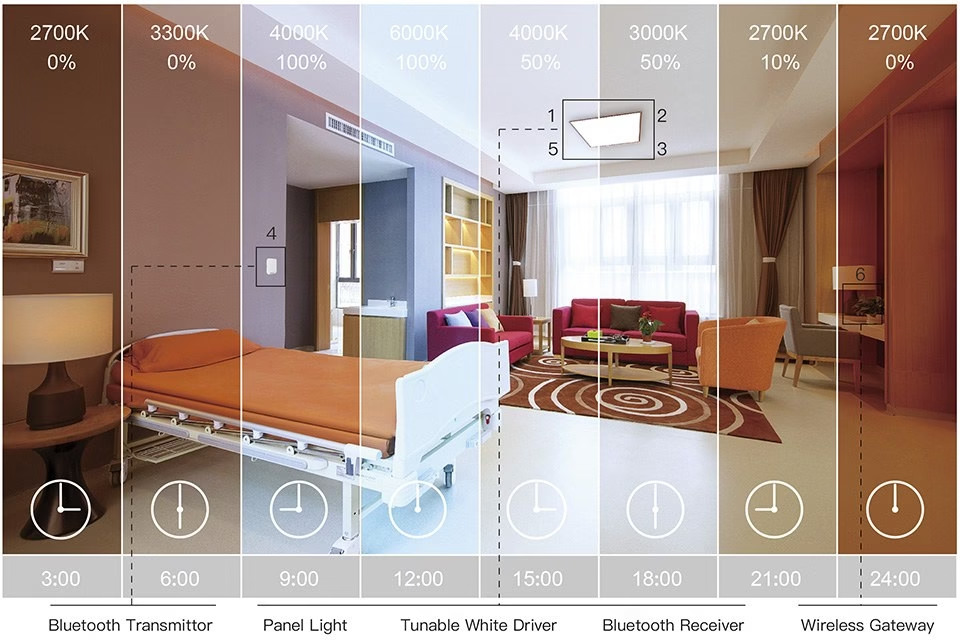
Light is the primary zeitgeber for the human circadian system; exposure to blue-enriched white light in the morning and reduced blue light in the evening help entrain sleep-wake cycles. Human-centric lighting (HCL) systems that vary intensity and color temperature through the day are increasingly available for residential use, and tunable LED systems are being installed to mimic natural daylight patterns indoors. Scientific reviews and design guidance have linked dynamic lighting to mood, alertness, and sleep quality.
How it is showing up in homes
- Tunable LEDs integrated into ceiling fixtures, skylights, or lamps that shift from cool, bright morning light to warm, dim evening light.
- Daylight-first design that prioritizes glazing orientation and shading to maximize natural circadian cues.
- Smart controls that automate lighting schedules and can be overridden manually.
Implementation tips
When designing lighting for a wellness-focused home, it’s best to begin with natural daylight by orienting major living and working areas to receive morning sun whenever possible. This foundation can then be supported with tunable fixtures and bulbs that adjust color temperature and brightness throughout the day, ideally chosen for compatibility with smart hubs if automated control is desired. These systems should be programmed to shift gradually—over 20 to 40 minutes—since abrupt lighting changes can feel disruptive. To complete the setup, incorporate effective darkening solutions such as blackout shades in bedrooms to minimize artificial light exposure during sleep and support healthier circadian rhythms.
Brands such as Philips Hue, Lutron, and integrators like Crestron have introduced residential circadian systems; installers can integrate these with window shading and HVAC controls for a holistic strategy.
4 — Acoustic comfort: controlling noise for mental health and focus
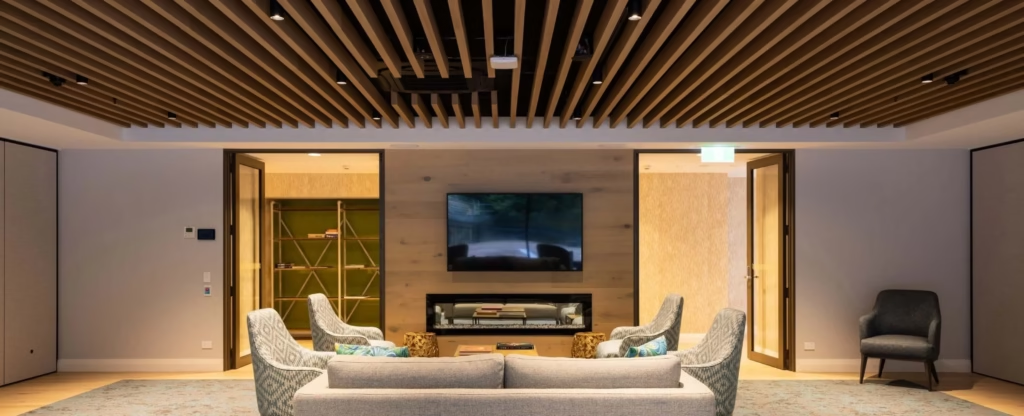
Acoustic comfort has been less visible historically in residential design, but it is now recognized as critical to sleep, concentration, and stress reduction. In dense urban settings, sound insulation and interior acoustics are essential. Sound scaping and material choices are being used to manage acoustic environments. Recent standards and WELL guidance include acoustic performance as part of a holistic healthy building approach.
Improving acoustic comfort begins with shell upgrades, such as increasing wall and floor assembly STC and IIC ratings using resilient channels, double-stud construction, and higher-quality floor underlays during renovations. Inside the home, adding soft surfaces like rugs, upholstered furniture, and acoustic panels helps reduce reverberation in larger living rooms and home offices. Thoughtful space planning also plays a key role, with quiet zones created by positioning bedrooms away from noisy mechanical areas or busy streets. Finally, subtle sound masking—using low-level natural soundscapes like gentle water or wind—can help smooth out unpredictable noises and enhance overall acoustic well-being.
5 — Water quality and safe plumbing: more than fixtures
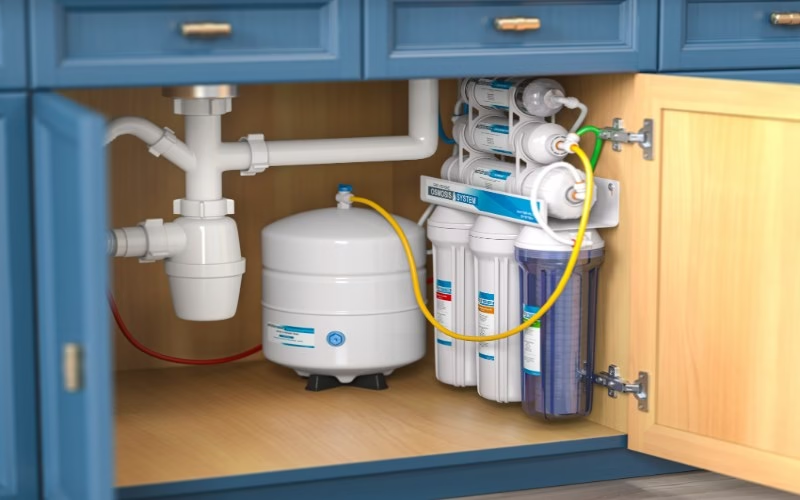
Safe drinking water and well-designed plumbing are central to health. Issues such as lead in pipes, Legionella risk in poorly maintained hot water systems, and contaminants like PFAS require attention in contemporary design. Because water quality can vary by region, homes are increasingly designed with point-of-use filtration, proper hot-water circulation, and plumbing systems that reduce stagnation. Guidance from public health agencies is often used to inform these details.
Design tips
- Point-of-use filtration (certified reverse osmosis or activated carbon filters) should be considered for drinking water taps if local supply quality is questionable.
- Temperature control and periodic thermal disinfection plans can be used for hot-water systems to control Legionella risk in larger systems.
- Material choices: use certified plumbing materials and avoid lead-bearing solders and fixtures.
- Maintenance plans: design mechanical rooms with access and labeling so systems can be flushed and serviced.
6 — Active design & micro-fitness: movement at home
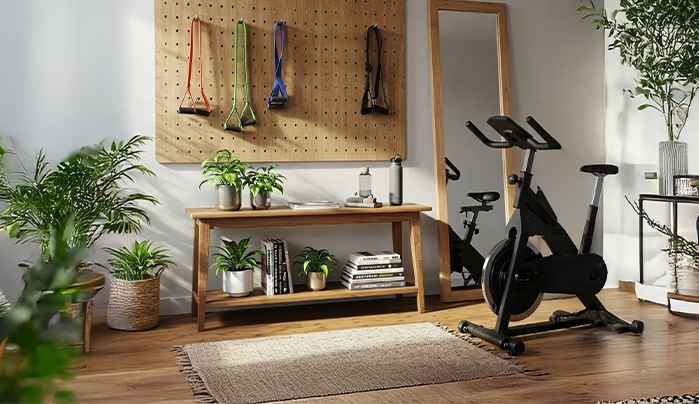
With more flexible working patterns, homeowners are reclaiming spare rooms for fitness or designing compact, multi-use fitness corners. Micro-fitness spaces are being scaled into apartments with fold-away gym equipment, heavy-use floors, recovery tools, and good ventilation. The trend is supported by market demand for wellness amenities and by a growing industry of compact exercise equipment and services.
Design ideas
- Multi-use rooms: combine study and movement areas with hidden storage for mats, dumbbells, and rails.
- Flooring: specify shock-absorbing floor panels where heavy use is expected.
- Connectivity: integrate AV and ventilation for live classes or connected fitness services.
- Recovery: plan for towel storage, small towel warmers, and near-by water and cooling options.
7 — Home spa & recovery: saunas, cold plunges, infrared and red-light therapy
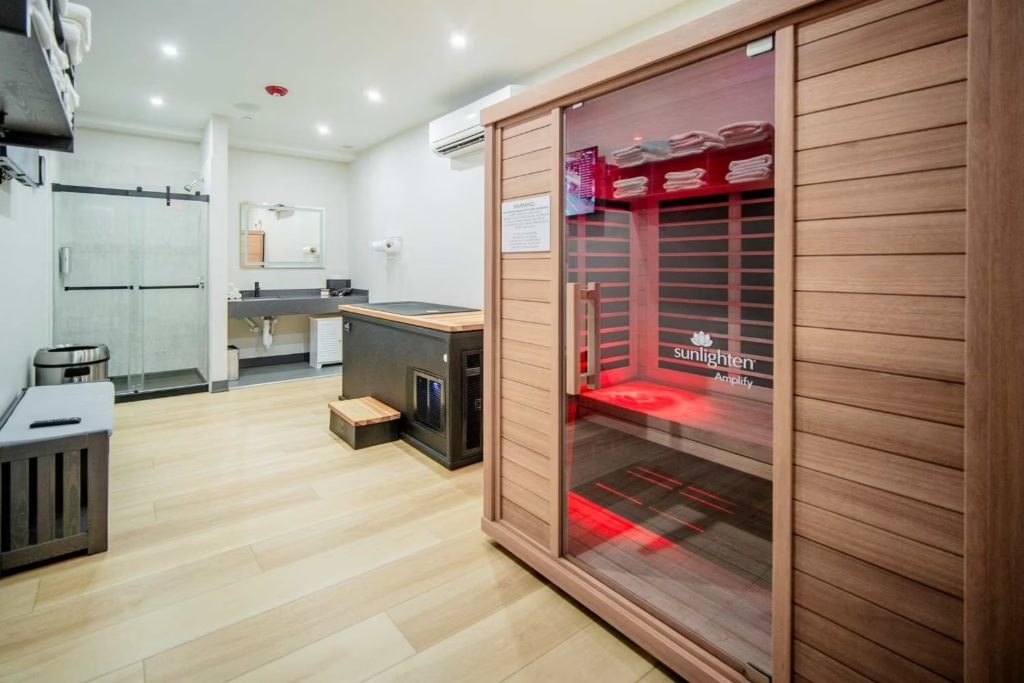
Luxury and mainstream markets have converged on recovery modalities: infrared saunas, small steam rooms, and cold plunges are being added to private residences as wellness features. The “wellness real estate” trend has been noted in multiple markets, and evidence for some recovery modalities has been circulated in clinical and popular literature. In 2025, luxury developments are even advertising IV therapy, hyperbaric chambers, and longevity clubs — a signal of the demand for integrated wellness amenities.
When incorporating home spa features, careful planning is essential. Cold plunges and steam rooms require proper space and drainage, along with confirmation that the structure can support the added weight when filled. Infrared saunas and steam units also demand correctly specified electrical systems and adequate ventilation to prevent moisture-related damage. Additionally, safety should always be prioritized: individuals with cardiovascular conditions should consult a clinician before engaging in contrast therapies like sauna and cold plunge sessions, and all equipment should include clear user instructions and emergency shutoff features.
Design ideas
- A small bathroom can be converted into an infrared sauna + plunge setup if a specialized contractor is engaged; otherwise, look into modular sauna pods and above-ground plunge tubs that are designed for retrofit.
8 — Thermal comfort & adaptable microclimates

Thermal comfort is personal: different people prefer different temperatures. Rather than heating or cooling a whole home to one setpoint, homes are being designed so that microclimates (local temperature & humidity control) are possible. This is being achieved through zoning, radiant panels, and localized heating solutions that increase occupant comfort and reduce overall energy use. ASHRAE and WELL guidance highlight thermal comfort as a component of occupant health.
Implementation
Creating adaptable thermal comfort begins with zoned HVAC systems that allow separate temperature control for sleeping areas, home offices, and living spaces, ensuring each zone meets the occupants’ specific comfort needs. Radiant heating and cooling can further enhance comfort by making people feel warm or cool at lower air temperatures, which improves efficiency and reduces energy use. Additionally, incorporating operable windows and effective shading enables passive cooling and night purging in suitable climates, helping regulate indoor temperatures naturally while reducing dependence on mechanical systems.
9 — Low-toxicity materials & VOC control

Indoor chemical exposures are an important determinant of home health. VOCs from paints, adhesives, carpets, and furniture have been associated with headaches, irritation, and in some cases longer-term health effects. The WELL standard and many green-building programs set stricter VOC limits. As a result, low-VOC paints, formaldehyde-free cabinets, and safer insulation materials are being specified more frequently.
Practical steps
- Specify low-VOC or zero-VOC paints and adhesives, and allow for flush-out ventilation after installation.
- Choose materials with health declarations (HPDs) or EPDs for transparency on embodied chemicals.
- Avoid unbounded pressed wood or specify CARB2 compliant materials where possible to limit formaldehyde emissions.
- Allow for off-gassing time before occupants move in; a mechanical flush with high ventilation rates is useful post-construction.
10 — Smart systems that respect privacy and support health
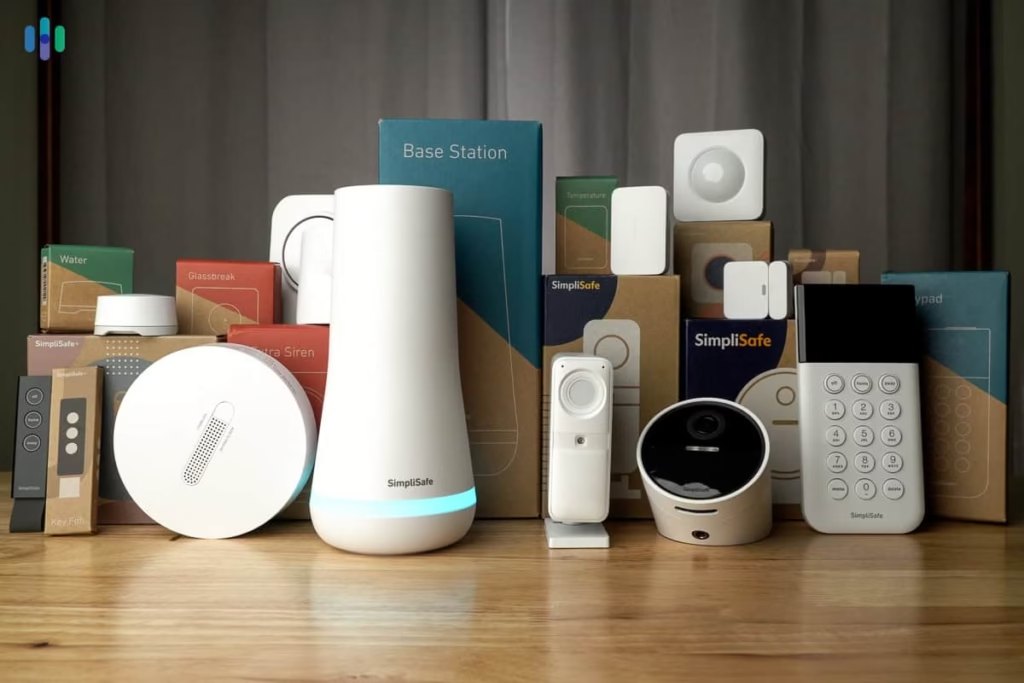
Smart home systems (air-quality monitors, smart thermostats, circadian lighting schedules, and voice assistants) can actively support health by automating healthy behaviors. However, privacy concerns and data rights have made homeowners cautious. Designers and integrators are therefore being asked to create privacy-first smart solutions that keep data local and provide transparent controls.
Smart home systems that support wellness work best when designed with privacy and flexibility in mind. Prioritizing local control ensures that essential functions—such as ventilation overrides and lighting schedules—operate reliably without requiring constant cloud connectivity. At the same time, data minimization practices should be implemented so sensors and logs collect only the information necessary for health-related functions, backed by clear retention policies. Finally, selecting interoperable, standards-based products like Matter or Zigbee/Z-Wave devices helps prevent vendor lock-in and makes future upgrades easier, ensuring the system remains adaptable as technology evolves.
Conclusion
Incorporating wellness-driven design features into the home is no longer a luxury—it has become a meaningful investment in long-term health, comfort, and quality of life. As people spend more time indoors and become increasingly aware of how their environment affects their physical and mental well-being, design strategies that prioritize clean air, natural light, acoustic balance, restorative spaces, and safe, low-toxicity materials are rapidly gaining importance. From biophilic elements that reconnect us with nature to smart, privacy-respecting technologies that automate healthier habits, each feature reinforces the idea that our homes can actively support our daily wellness rather than simply shelter us. By thoughtfully integrating even a few of these principles—whether through small improvements or more comprehensive upgrades—homeowners can create living spaces that feel more nurturing, resilient, and aligned with modern health standards. Ultimately, wellness-driven design is not just about trends; it is about building healthier homes for a healthier future.
Read more trending HOME news here.


Megaparilogin, yeah, I’ve been there. The layout’s not too shabby and they have a surprising variety of games. Worth a spin, for sure. Go check it: megaparilogin