Introduction
Sports ecosystems are being transformed at an unprecedented pace. Driven by technological breakthroughs, shifting fan expectations, and new commercial models, the industry has been reshaped in recent years — and 2026 will be no exception. Each trend is described, evidence is provided, implications are explored, and practical recommendations are offered for rights holders, leagues, teams, brands, and athletes.
Trend 1 — Artificial Intelligence and Generative Models Will Reshape Performance, Scouting, and Fan Engagement

AI-driven tools are being integrated across sports operations: performance analysis, injury prediction, tactical scouting, content generation, and fan personalization. Advanced models are now being trained on player-tracking, wearables, and match footage to provide automated insights that were previously the preserve of specialized analysts. Moreover, generative AI has begun to be applied to produce highlight reels, automatically generated commentary summaries, and tailored social content at scale.
A major industry survey and trend report found that AI was viewed as one of the top accelerators for sports media, fan engagement, and monetization heading into 2026. Stats Performs 2026 fan engagement & AI trends survey emphasized AI’s role in personalized content and sharper sponsor targeting.
It has been reported that clubs and federations are piloting generative pipelines that create personalized highlight reels for season-ticket holders and sponsors. Teams are being advised to invest in data infrastructure early because high-quality, labeled data is required for reliable AI models.
Trend 2 — Wearables and Smart Apparel Move from Elite Labs to Mainstream Use

Wearables have been developed from simple fitness trackers to medical-grade monitoring systems that capture biomechanics, muscle oxygenation, lactate thresholds, and real-time fatigue markers. As a result, real-time coaching and injury-prevention protocols are being delivered on the training field and, increasingly, during competition.
Academic reviews and industry analysis have been published in 2025 showing that smart wearable devices are being applied in sports energy consumption detection and broader athlete monitoring, and pilot programs were being rolled out by federations and clubs. Additionally, market reports showed growing adoption at the elite level and pilot expansions into community sport.
Teams were reported to be integrating sensors into training shirts and shorts; this technology was being used to monitor recovery and optimize training micro cycles. As wearables are more widely distributed, ethical and data-governance frameworks were being called for by medical and sports authorities.
Trend 3 — Esports and Competitive Gaming Will Continue Their Commercial Ascent

Esports has been matured into an integrated commercial vertical: media rights, sponsorships, franchising, and live events. The audience has expanded globally, and substantial revenues continue to be generated from media, sponsorship, and events. In addition, convergence between traditional sports brands and esports organizations has been strengthened.
Industry trackers estimated global esports market value entering 2025–2026 at around $2.9–$3.0 billion, with audience sizes projected to exceed 600 million by 2025. Viewership growth, especially in Asia-Pacific, was highlighted in multiple market reports.
Franchised leagues and tournament organizers were reported to be expanding, and cross-industry collaborations (e.g., gaming publishers with sporting brands) were being pursued aggressively to monetize IP across formats.
Trend 4 — Women’s Sport Will Become a Major Growth Engine — Commercialization & Infrastructure Will Follow
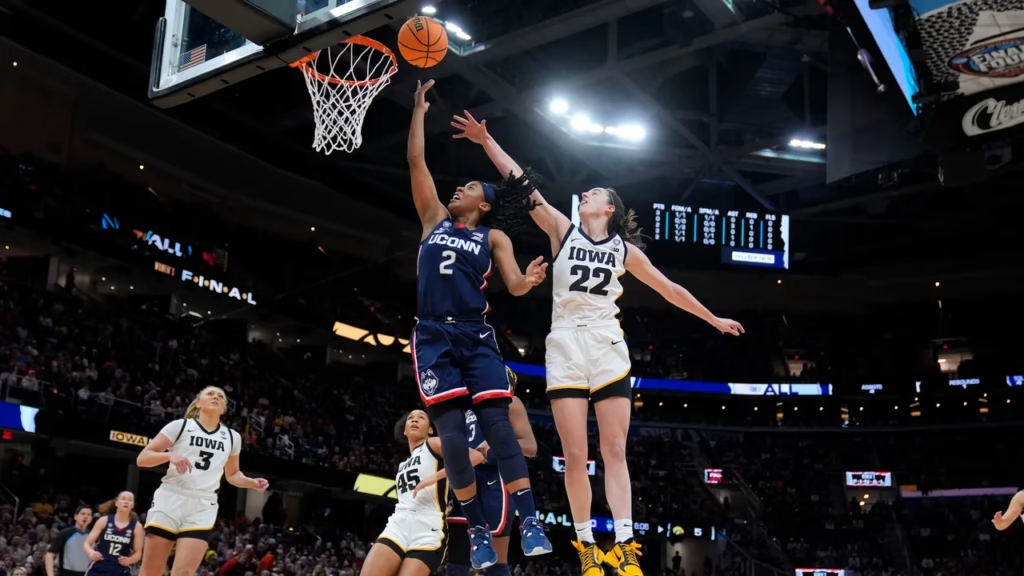
Women’s sport has been experiencing significant commercial momentum. Sponsorship growth, rising attendance figures, and greater broadcast investment have been reported across soccer, basketball, hockey, and other team sports. Consequently, strategic venue usage and infrastructure upgrades for women’s teams were being announced.
Several reputable analyses in 2025 and late 2025 documented the rapid rise in women’s sport sponsorship and audience interest; McKinsey quantified a multi-billion dollar monetization opportunity, while coverage of league-level sponsorship surges was widely reported. Additionally, city-level rankings and marquee event placements were boosting visibility for women’s sporting clubs and venues.
Several women’s teams were reported to be playing in larger, traditional stadiums to reach new fans and maximize revenue. In addition, sponsorship counts in leagues like the WNBA were reported to be at record levels, fueling talent retention and operational investment.
Trend 5 — Immersive and AR/VR Fan Experiences Will Be Commercialized
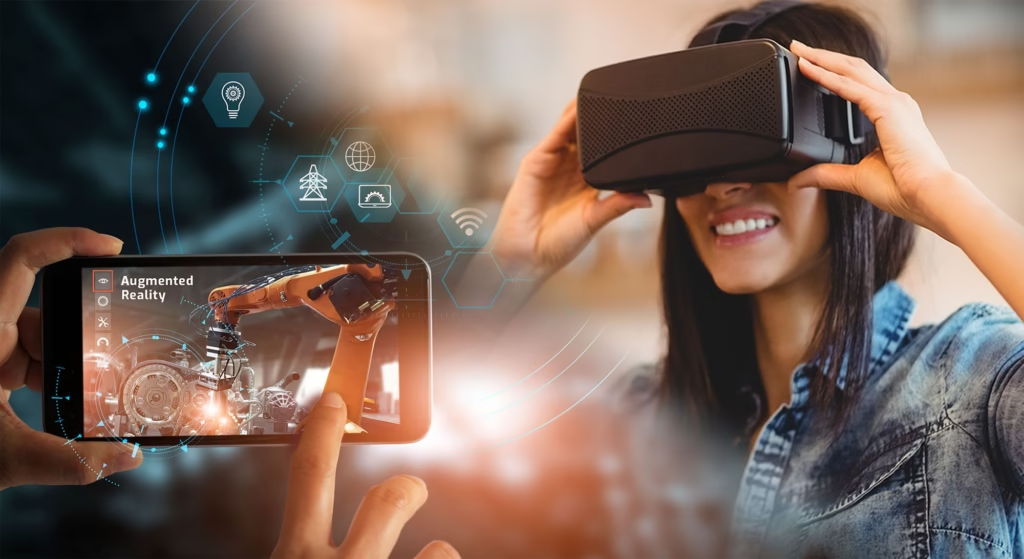
Augmented reality (AR) and virtual reality (VR) technologies have been rapidly improving. In parallel, broadcast ecosystems and stadium operators have been piloting immersive overlays, mixed-reality replays, and virtual seating experiences to engage fans remotely and in-arena.
Some teams and broadcasters were offering VR match-day experiences and AR-enhanced stat packs in mobile apps, which were reported to increase engagement metrics among younger fans.
Trend 6 — Sustainability & ESG Will Be Embedded into Event Planning and Facility Operations

Environmental and social governance (ESG) considerations have been integrated into sports event planning, construction, and sponsorship sourcing. Energy efficiency, reduced travel carbon footprints, and sustainable stadium operations were being emphasized by leagues and host cities.
Trend watching and global forums have noted that consumer preferences and sponsor mandates were being aligned with ESG objectives, and sports organizations were being expected to publish sustainability commitments tied to venue operations and events.
Major sporting events and leagues were piloting low-carbon event design, and sponsors were being contracted on the basis of sustainability KPIs.
Trend 7 — Sports Betting Will Be Reshaped by Regulation, Integrity Tools, and New Commercial Models
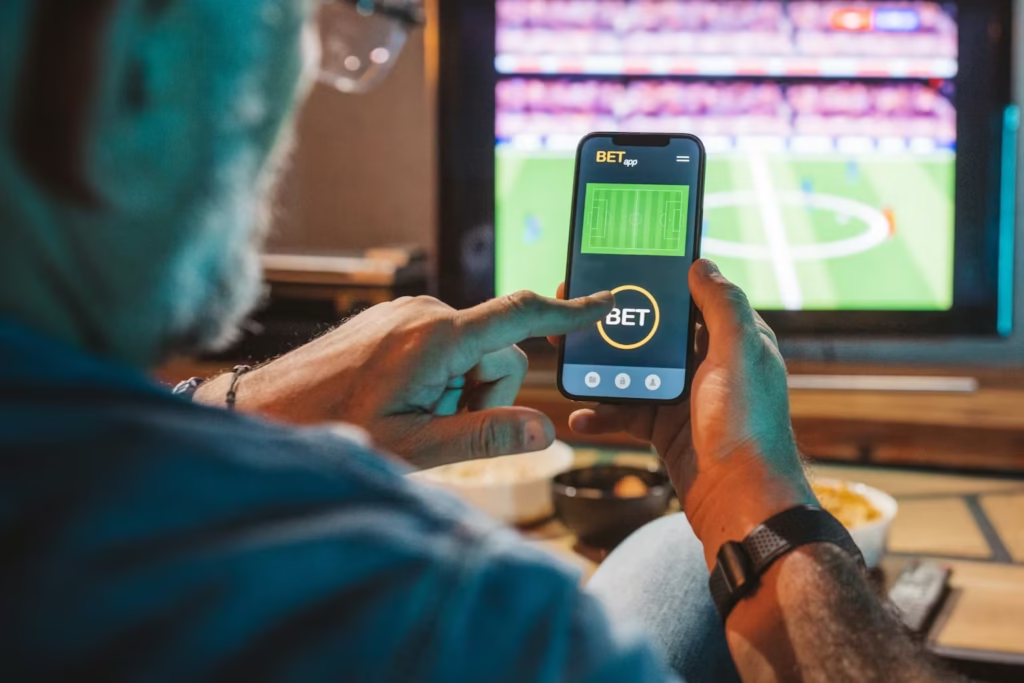
Sports betting markets have been expanded in many territories, while regulators are tightening oversight. Simultaneously, data-driven integrity solutions (including AI) are being deployed to detect suspicious betting patterns and to preserve competition fairness. Business models that embed regulated micro-betting and live-betting experiences were being rolled out on broadcast platforms.
Recent reports and industry press releases in late 2024–2025 documented the intersection of regulation and technology in iGaming and sports betting; the role of AI and media analysis in shaping responsible frameworks was highlighted.
Operators and leagues were being reported to invest in compliance units that combine AI detection with human oversight to uphold betting integrity.
Trend 8 — Micro-Competitions, Short-Form Formats, and New Talent Pipelines Will Be Scaled
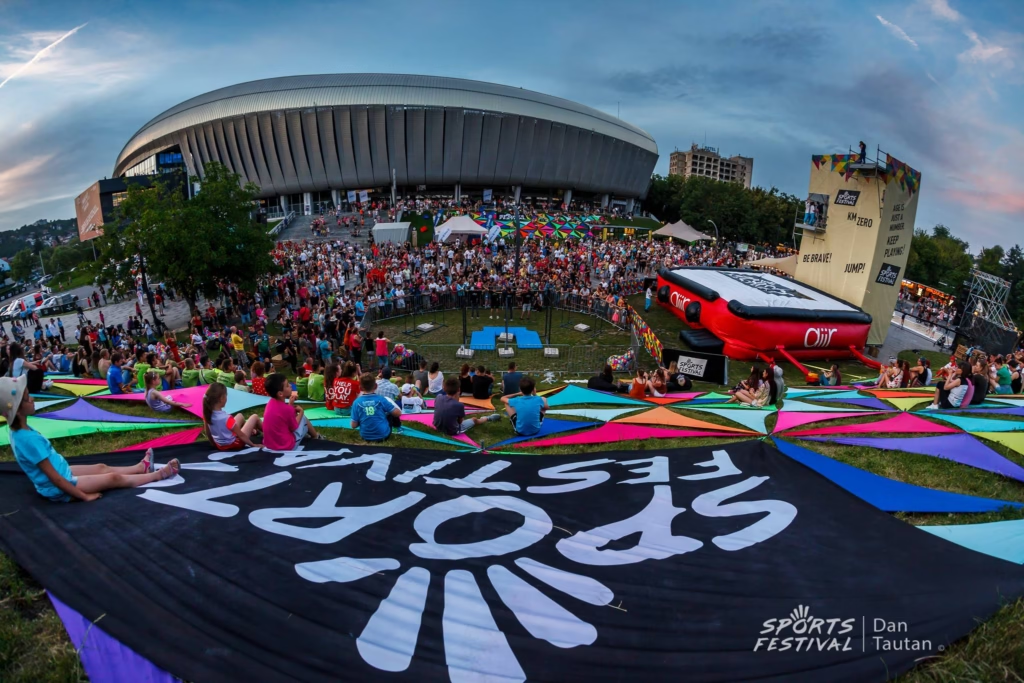
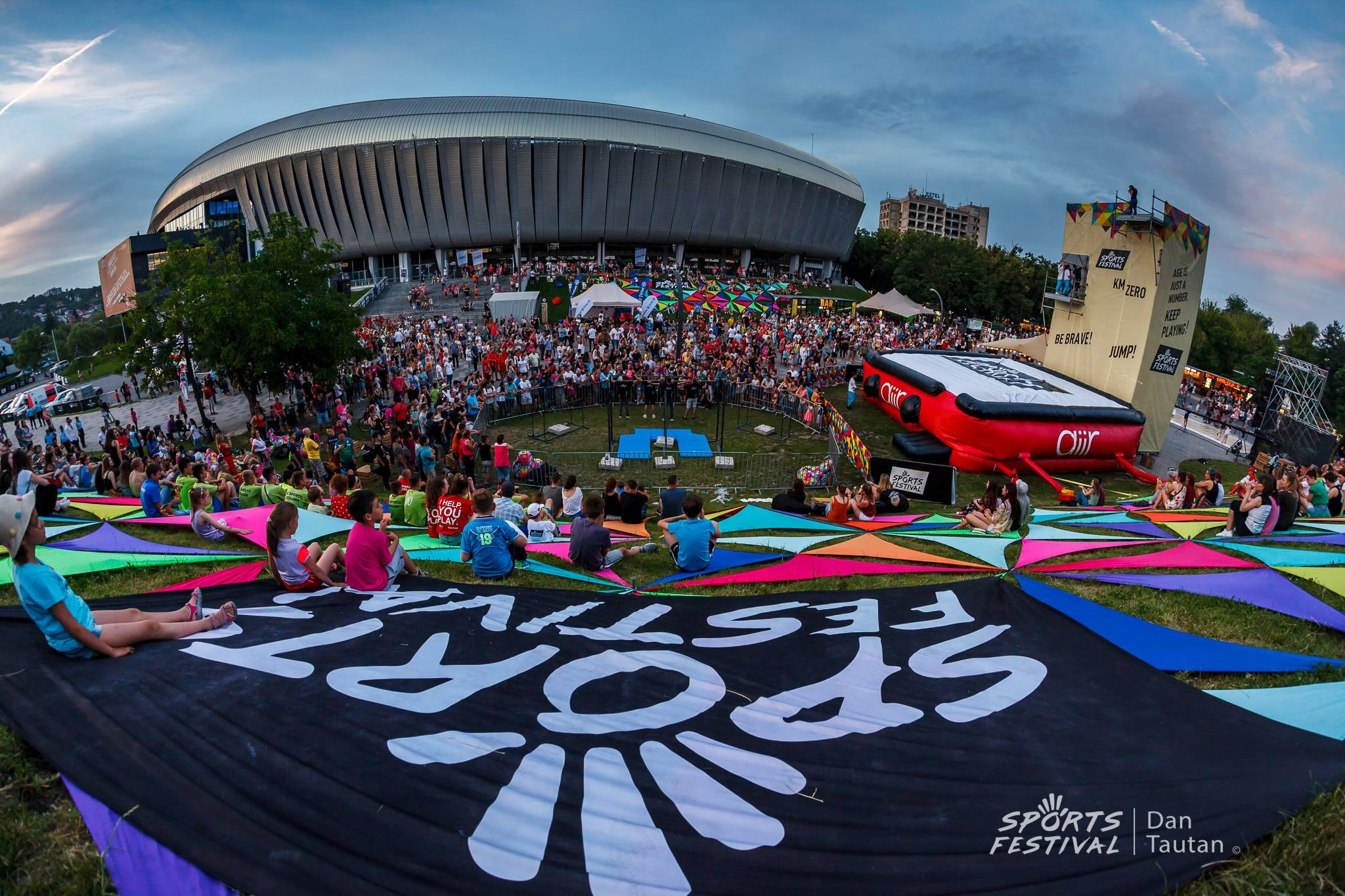
Short-form formats, condensed competitions, and micro-events were being created to fit reduced attention spans and fragmented viewing habits. Likewise, micro-tournaments and festival-style events were being used to incubate talent and to test innovations.
Several sports were piloting weekend festival formats and urban competitions designed to attract casual fans, with content repurposed for social platforms.
Trend 9 — Inclusion & Adaptive Sport Will Receive Greater Investment and Visibility
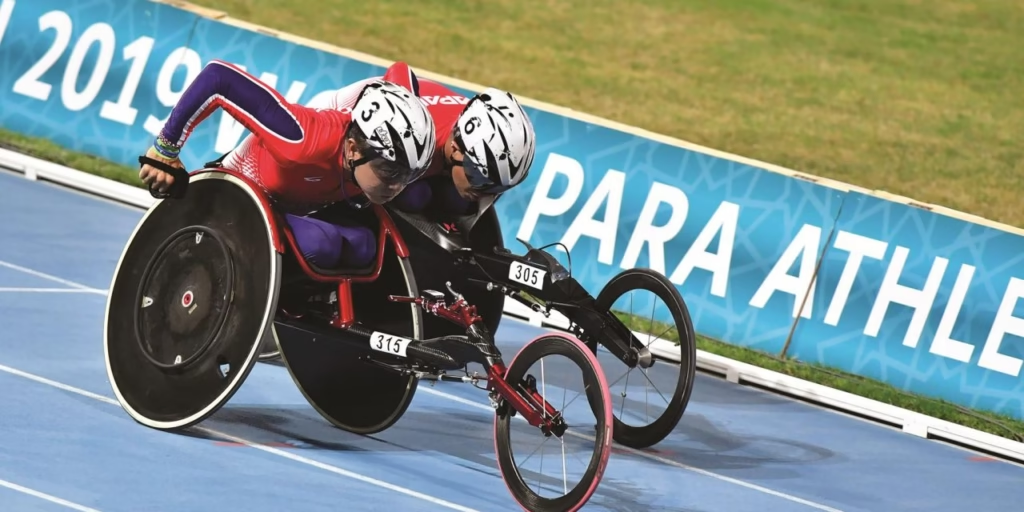
Adaptive sports — including para-sports and inclusive community programs — have been prioritized for coverage and funding. This shift has been driven by both social values and recognition that growth can be unlocked by serving underserved participants.
Multiple market analyses and sports governance reports in 2025 highlighted how inclusion was being operationalized through funding, broadcast windows, and integration into larger event calendars. The outcome was that adaptive sports were being professionalized, attracting sponsors and fans.
Sporting bodies were reported to be expanding para-sport programming, and corporate partners were being engaged to sponsor inclusive leagues and championships.
Trend 10 — Athlete Wellbeing and Mental Health Will Be Institutionalized

Athlete mental health is no longer an afterthought. Integrated wellbeing teams that include sport psychologists, sleep specialists, and lifestyle coaches are being embedded into sports organizations. Policies and protocols for mental health support have become formalized in many professional environments.
Industry coverage through 2024–2025 has documented high-profile athlete disclosures and structural changes within clubs and federations to support wellbeing. The trend was reported to be both a moral imperative and a performance necessity.
Teams were reported to be hiring full-time mental health professionals and embedding wellbeing KPIs into athlete development programs.
Conclusion
In 2026, sports will be defined by the integration of advanced technologies (AI, wearables, AR/VR), the commercialization and normalization of women’s sport, the continued expansion of esports, and the embedding of ESG, integrity, and athlete wellbeing into core operations. Rights-holders and brands that are proactive in organizing their data assets, piloting immersive fan experiences, supporting inclusive programming, and commercializing women’s properties will be best positioned to capture growth. Meanwhile, regulators and stakeholders will be required to steward integrity, privacy, and ethical AI use to sustain long-term trust.
Read more trending SPORTS news here.