Introduction
Copenhagen Fashion Week (CPHFW) has increasingly become one of the most influential fashion platforms in the global style ecosystem. While traditionally overshadowed by the “Big Four” fashion capitals—Paris, Milan, New York, and London—Copenhagen has carved out a distinct identity grounded in sustainability, functionality, minimalism, and progressive gender expression.
In recent seasons (Fall/Winter 2026 and Spring 2026 showcases), designers have pushed boundaries beyond aesthetics alone. Clothing has increasingly been designed to blur gender distinctions, combining masculine tailoring, feminine detailing, and neutral silhouettes into cohesive, fluid wardrobes.
This evolution aligns with a broader cultural shift toward gender-neutral and androgynous fashion, where identity is expressed through form, texture, and attitude rather than traditional binary codes.
Copenhagen’s runway output reflects this transformation clearly. Oversized tailoring, utilitarian layering, unisex silhouettes, and softened masculinity have become dominant motifs across collections from designers such as Cecilie Bahnsen, Ganni, The Garment, Rave Review, and Anne Sofie Madsen.
1. Relaxed Oversized Tailoring: The New Gender-Neutral Power Suit
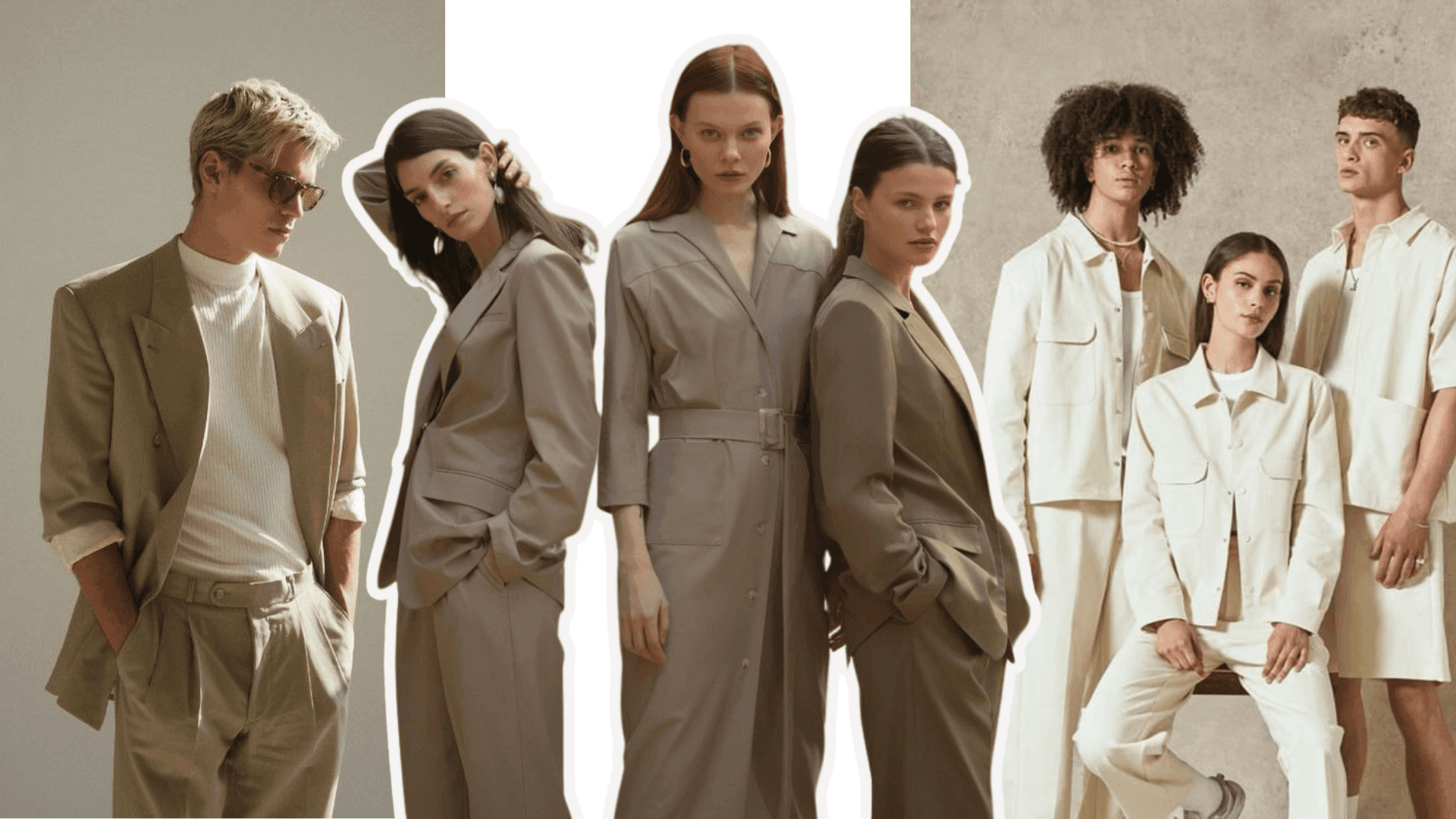
One of the most consistent androgynous signals emerging from Copenhagen Fashion Week has been the reinvention of tailoring.
Traditional suiting—once defined by rigid, masculine structure—is being reinterpreted into silhouettes that are fluid, oversized, and intentionally unstructured. Key design elements include dropped shoulders, wide-leg trousers, and boxy blazers, often crafted in soft wool and draped suiting fabrics that balance ease with subtle structure.
Rather than serving purely aesthetic purposes, this shift reflects a broader rejection of conventional gendered power dressing. Instead of sharp, constrictive silhouettes symbolizing authority, contemporary Copenhagen designers are redefining confidence through ease, movement, and comfort.
Recent trend reports also highlight how tailoring is now styled more casually with knits, tank tops, and silk scarves instead of traditional formal shirts, further reinforcing a relaxed, gender-neutral approach to dressing.
Ultimately, this approach is considered distinctly androgynous because it removes traditional gendered structuring and prioritizes proportion, balance, and silhouette neutrality over identity-driven visual cues, resulting in a more fluid expression of form.
2. Gender-Fluid Layering: Mixing Masculine and Feminine Codes
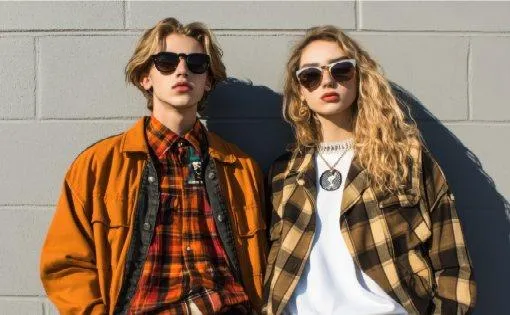
Layering has become one of the most prominent tools in androgynous styling at Copenhagen Fashion Week (CPHFW).
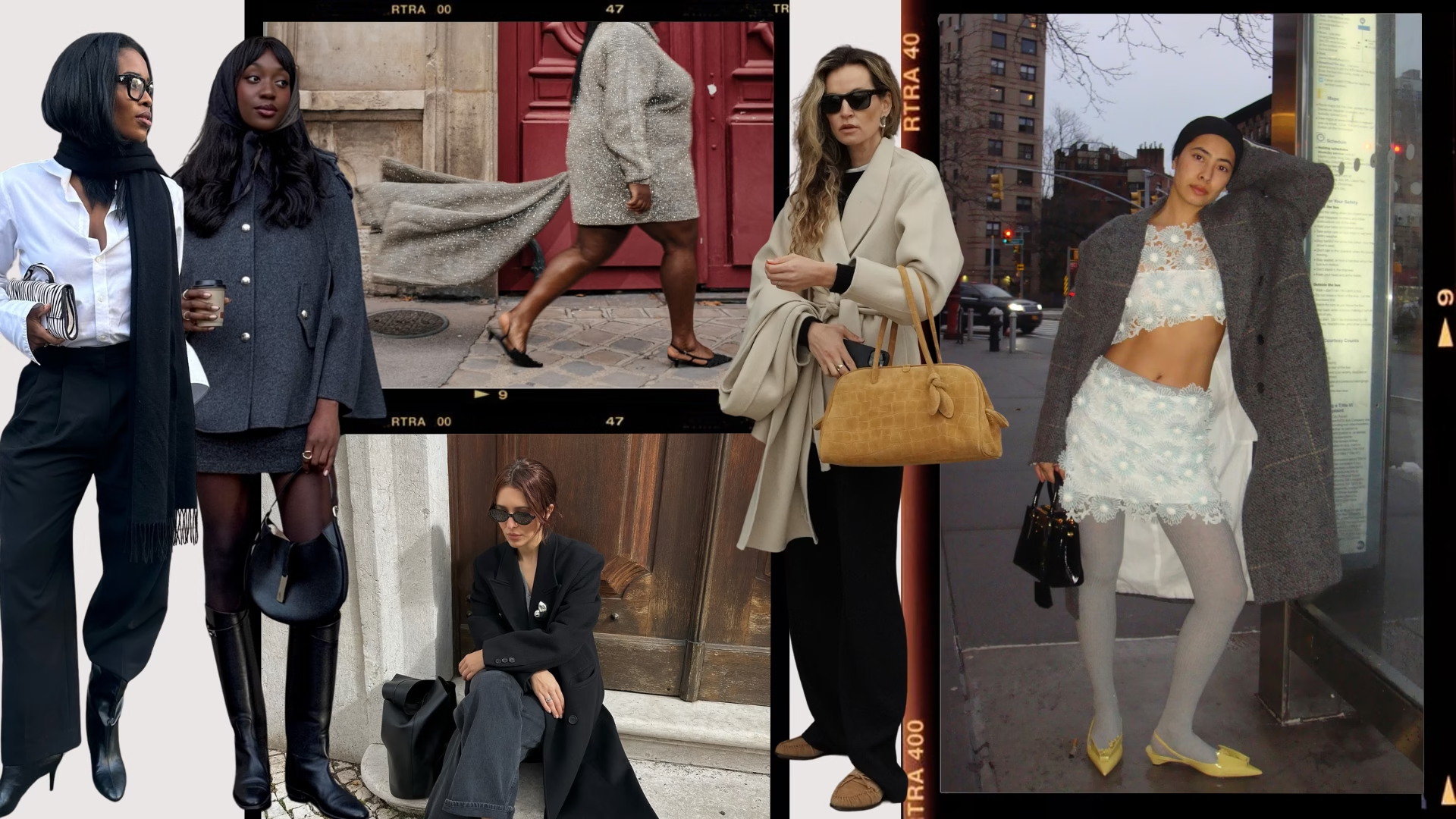
Designers intentionally combine contrasting garments—such as tailored trousers with lace tops, masculine coats layered over sheer skirts, and structured jackets paired with fluid dresses—to create visual tension that reinforces androgynous expression through the merging of traditionally opposing style codes.
Recent runway presentations have further emphasized these styling contradictions, where softness and structure coexist within a single look, reflecting a deliberate push against rigid fashion categorization.
This approach is effective because layering reframes clothing as a narrative system rather than a fixed gender marker, allowing interpretation to be defined by the wearer rather than dictated by the garment. In practice, this direction is achieved through neutral base layers, contrasting textures such as wool with chiffon or denim with silk, and unstructured silhouettes layered over fitted foundations to build depth, balance, and visual complexity.
3. Neutral Color Palettes: The Erasure of Gendered Color Codes
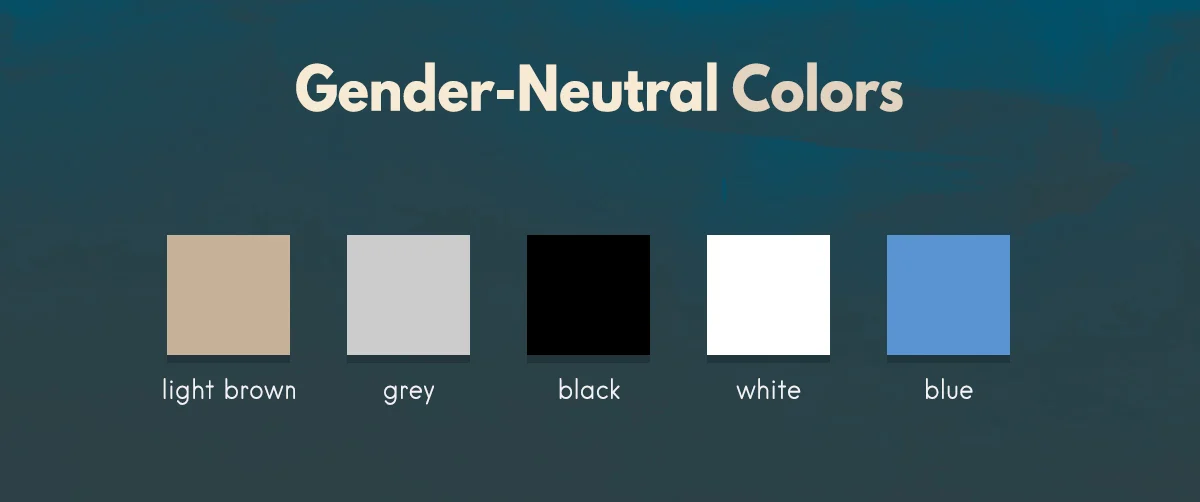
Color plays a central role in shaping gender perception in fashion, and Copenhagen designers have systematically worked to neutralize these distinctions.
The dominant palette is defined by Nordic neutrals, including stone grey, taupe, sand, cream, charcoal, and muted olive. These tones consistently appear across both runway presentations and street style, reinforcing a cohesive, understated aesthetic language rooted in minimalism and balance.
This palette is considered distinctly androgynous because neutral hues reduce psychological associations typically tied to masculinity or femininity—such as pink versus navy—resulting in a more gender-neutral visual framework.
From a fashion perspective, this approach enhances versatility, supports wardrobe interchangeability, and aligns with sustainable capsule dressing by encouraging fewer, more adaptable pieces that function across multiple outfits and contexts.
4. Utility-Core and Functional Streetwear
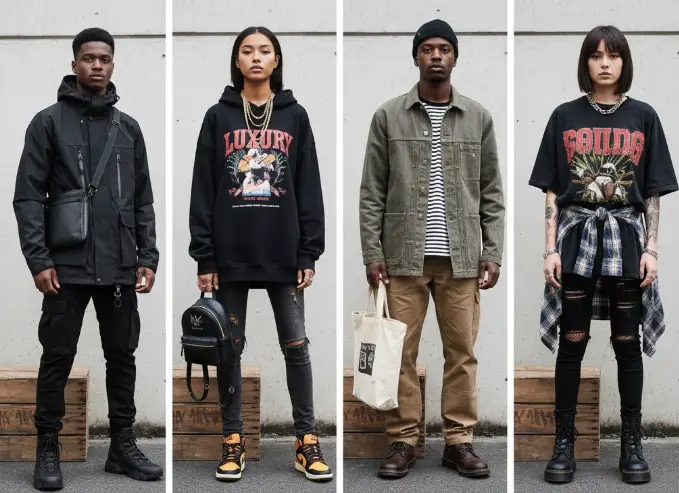
Utility-inspired fashion continues to gain prominence at Copenhagen Fashion Week, blending functionality with contemporary design aesthetics. Core elements of this trend include cargo trousers, technical fabrics, waterproof coats, multi-pocket jackets, and outdoor-inspired silhouettes that prioritize function-driven construction. Street style during AW26 further reinforced this direction, with oversized bomber jackets and advanced technical layering systems underscoring the sustained influence of utilitarian design on modern androgynous fashion.
Utility wear is widely regarded as androgynous due to its historical roots in military and workwear, both originally designed to prioritize function over gender distinction. This foundation has carried into contemporary fashion, where practicality, adaptability, and inclusivity remain central to its appeal. Culturally, the rise of “GORP core” in Copenhagen street style further reflects this evolution, highlighting a growing fusion of outdoor utility and everyday wear that continues to blur traditional gender boundaries.
5. Soft Masculinity in Menswear-Inspired Womenswear
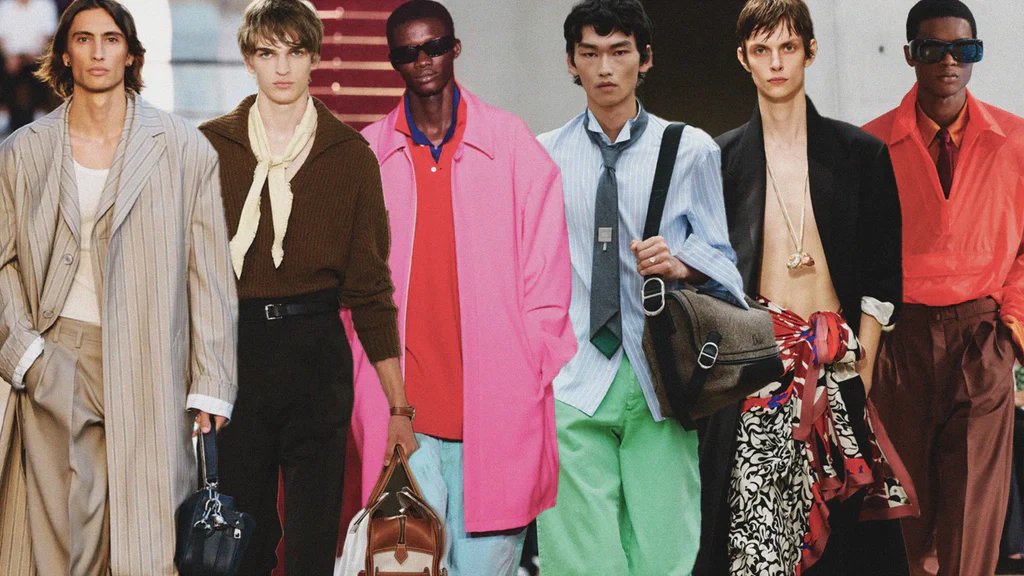
A defining androgynous trend is the reinterpretation of traditional menswear codes within womenswear collections, where classic tailoring elements are recontextualized to challenge established gender norms. Key features include men’s shirting silhouettes adapted for womenswear, loosely styled ties used as gender-fluid accessories, structured coats softened through draping techniques, and wide-cut trousers worn without belts to emphasize ease, movement, and fluidity over rigidity.
Recent runway coverage has also highlighted the resurgence of ties as symbolic accessories, reintroduced in contemporary fashion as part of a broader gender-fluid styling language.
This shift is significant because designers are no longer simply borrowing from menswear; instead, they are actively dismantling the category itself, replacing it with fluid, non-gendered approaches to tailoring and silhouette construction that redefine how modern fashion is classified and worn.
6. Fluid Silhouettes and Volume Play
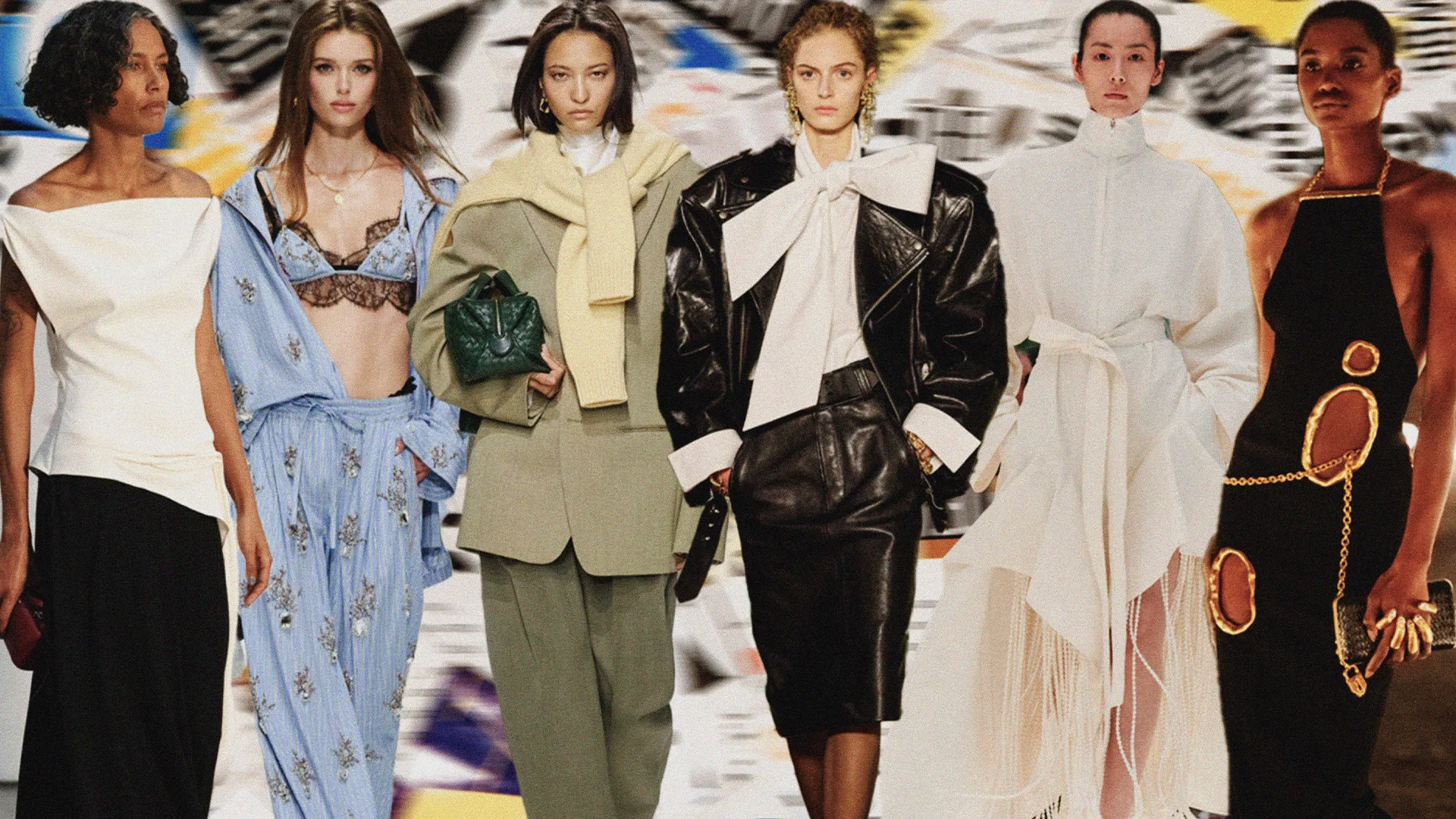
Silhouette experimentation remains central to Copenhagen’s androgynous fashion direction, with designers prioritizing form innovation over traditional body-conscious design. Key silhouettes include balloon trousers, oversized coats, draped skirts layered over pants, and sculptural, non-body-con shapes that emphasize abstraction rather than fit. In this context, volume replaces body definition as the dominant design language, shifting attention toward proportion, movement, and architectural expression.
This trend is further reinforced in Spring 2026 collections, where wide silhouettes and exaggerated proportions were consistently highlighted across multiple runway presentations. The approach is considered distinctly androgynous because it minimizes traditional gendered body emphasis and instead prioritizes sculptural form, spatial proportion, and structural design as the primary visual framework.
7. Sheer Layering and Subtle Exposure
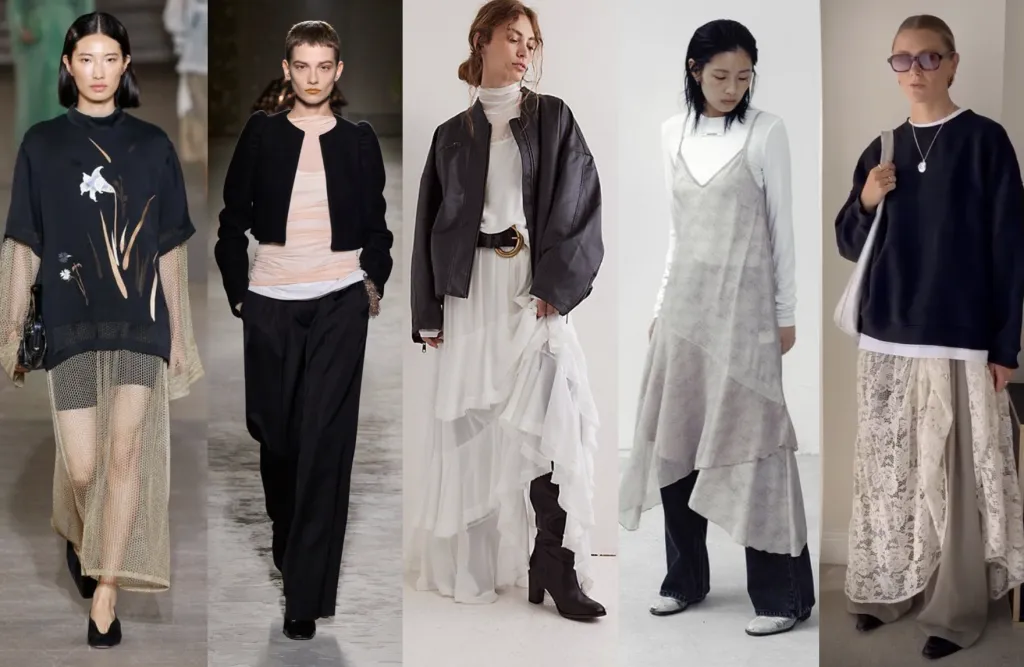
Transparency has emerged as a significant element in androgynous fashion at Copenhagen Fashion Week, with designers using sheer materials to create subtle tension between exposure and concealment. Common applications include sheer shirts layered under blazers, transparent skirts worn over trousers, and organza pieces styled over knits, all contributing to a nuanced exploration of softness, structure, and fluid gender expression.
Rather than functioning as overtly sensual details, sheer fabrics are used to establish dimensional neutrality, balancing lightness with structure and redefining how transparency interacts with form.
Recent runway analysis has highlighted lace, organza, and chiffon as recurring material choices across collections, further reinforcing this directional shift.
This approach is considered distinctly androgynous because it challenges binary assumptions about masculinity and femininity by disrupting conventional expectations of opacity in dress, fostering a more fluid and interpretive relationship between visibility, silhouette, and gender expression.
8. Unisex Accessories: Statement Bags, Belts, and Jewelry
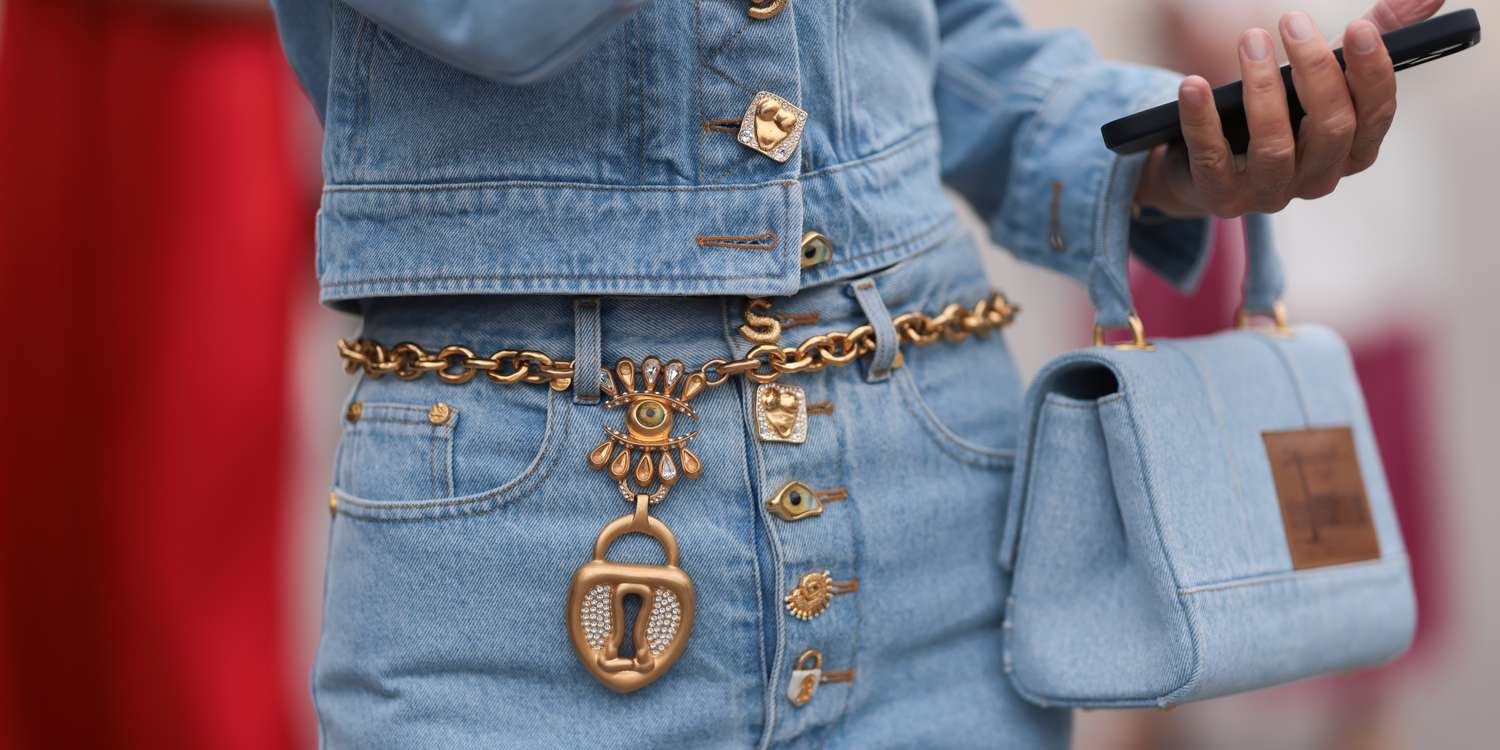
Accessories at Copenhagen Fashion Week increasingly function as gender-neutral identity markers, playing a key role in shaping contemporary androgynous styling narratives. Dominant pieces include oversized tote bags, sculptural jewelry, wide statement belts, and functional crossbody bags, all of which emphasize a balance of form and utility within modern outfit construction.
Rather than serving as purely decorative elements, accessories are now treated as structural components of styling, contributing to proportion, balance, and the overall visual language of an ensemble.
This shift reflects a broader movement away from traditional gender coding in fashion, where categories such as “masculine watches” or “feminine handbags” are becoming less relevant. Instead, accessories are increasingly understood within a universal design framework, where form, function, and styling intent take precedence over gender-based classification.
9. Gender-Neutral Outerwear Dominance
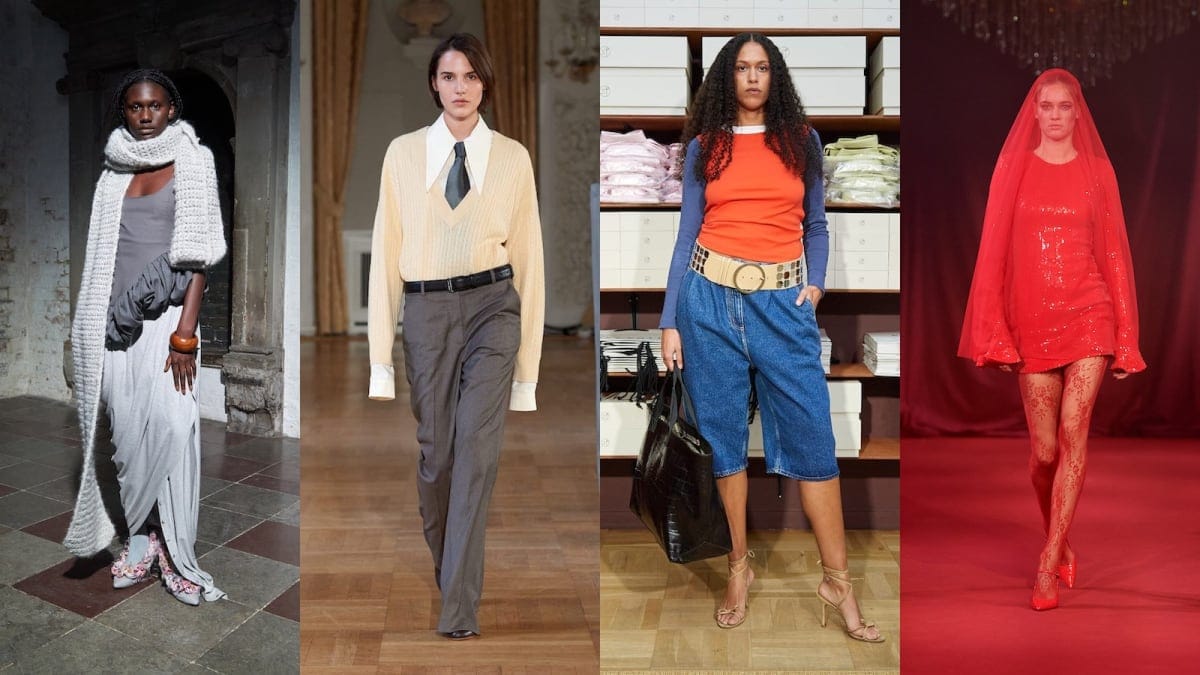
Outerwear remains one of the strongest categories for androgynous fashion innovation in Copenhagen, with designers using it to explore scale, proportion, and silhouette. Key styles include longline coats, boxy trench coats, padded parkas, and oversized wool overcoats, all of which emphasize volume, structure, and versatility over traditional fitted tailoring.
These garments are intentionally designed to reduce visual emphasis on body shape, minimizing silhouette differences between genders and reinforcing a more neutral approach to dressing.
Industry insight suggests that Copenhagen Fashion Week (CPHFW) continues to prioritize functional cold-weather fashion, positioning outerwear as a primary site for design experimentation. This focus is reflected in recurring silhouettes such as longline coats, trench variations, padded outerwear, and oversized wool pieces, all of which emphasize adaptability, structure, and scale.
This approach is considered distinctly androgynous because outerwear naturally obscures body visibility, shifting focus away from gendered silhouette definition and toward architectural construction, where garments function primarily as spatial and structural design elements rather than identity-coded expressions.
10. Gender-Fluid Street Style Culture
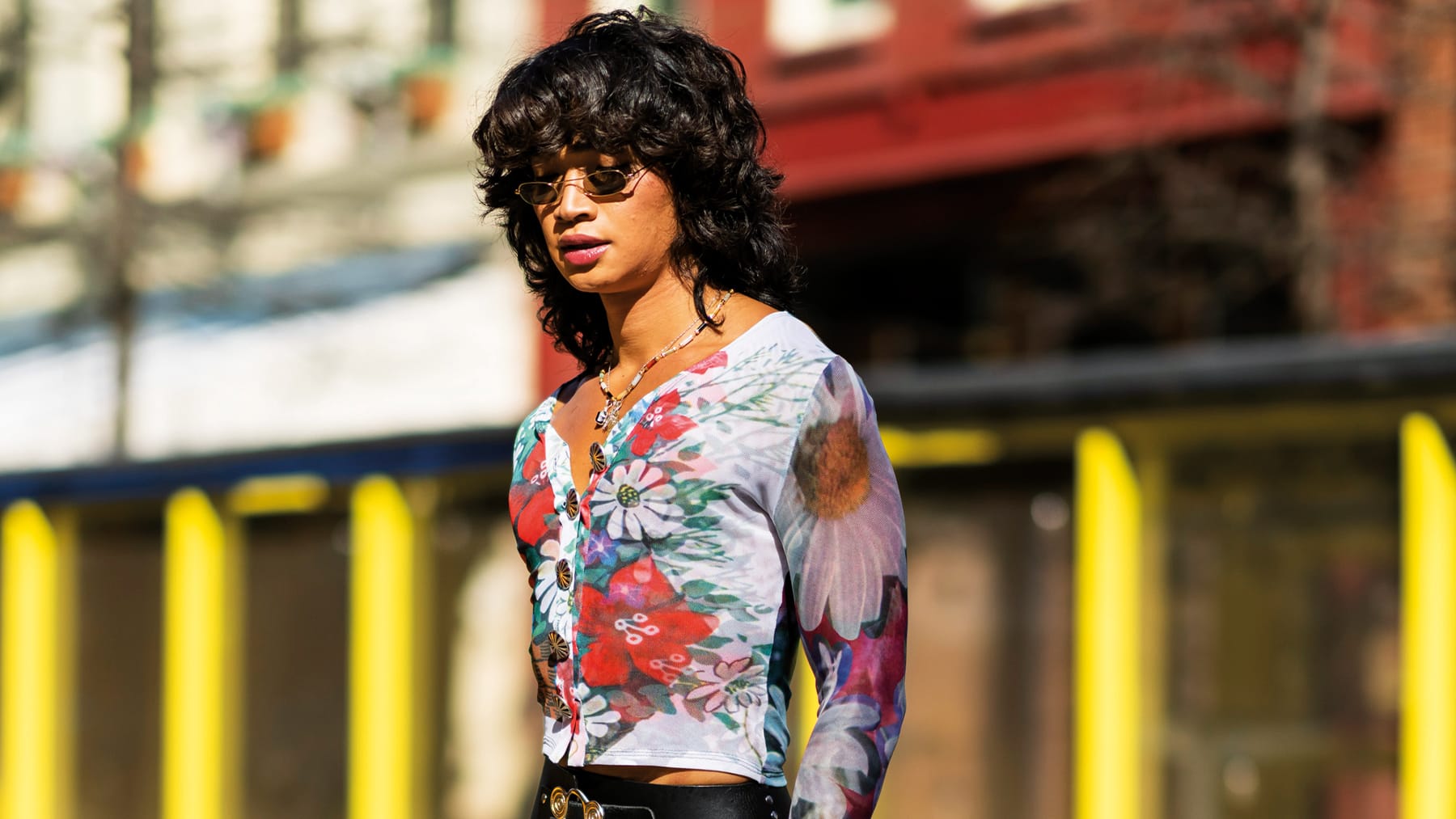
Perhaps the most authentic expression of androgynous fashion in Copenhagen is found in street style rather than the runway, where everyday dressing more naturally reflects evolving gender-neutral aesthetics. Key characteristics include the blending of tailoring and sportswear, layered neutral palettes, gender-fluid silhouettes, and practical footwear styled with an elevated sensibility, all of which emphasize a functional, lived approach to contemporary androgynous dressing.
Copenhagen street style is widely recognized for its wearable yet experimental nature, seamlessly merging traditionally masculine and feminine style codes into cohesive, modern looks.
This is significant because street style reflects the real-world adoption of runway ideas, demonstrating that androgynous fashion is not limited to conceptual runway presentations but exists as a lived, evolving practice in everyday dressing, shaped by how individuals interpret and adapt gender-neutral aesthetics.
Conclusion
Copenhagen Fashion Week has positioned itself as a global laboratory for post-gender fashion systems. The trends emerging from its runways indicate that androgyny is no longer a niche aesthetic—it is becoming a foundational design principle.
From oversized tailoring and utility wear to sheer layering and neutral palettes, the 2025–2026 seasons demonstrate a decisive shift toward clothing that prioritizes freedom over classification.
As fashion continues to evolve, Copenhagen is not just reflecting cultural change—it is actively shaping it.
Read more of the latest FASHION trends shaping global style today.