Introduction
Experiential stays where luxury meets culture, tradition, and place-based soul
Luxury travel is no longer defined solely by opulence, marble floors, and infinity pools (though those remain alluring). In 2026, affluent travelers are increasingly seeking authentic experiences — immersive stays that root them in place, history, and local culture while still providing world-class comfort and service. Across continents, properties are rising to this demand by blending heritage, craftsmanship, sustainability, and personalized service to create unforgettable experiences.
Below, you’ll find a curated narrative of the Best 10 Stunning Authentic Luxury Retreats shaping global travel today — each one a unique blend of luxury and place authenticity.
1. Rosewood Hong Kong — The World’s Best Hotel 2025
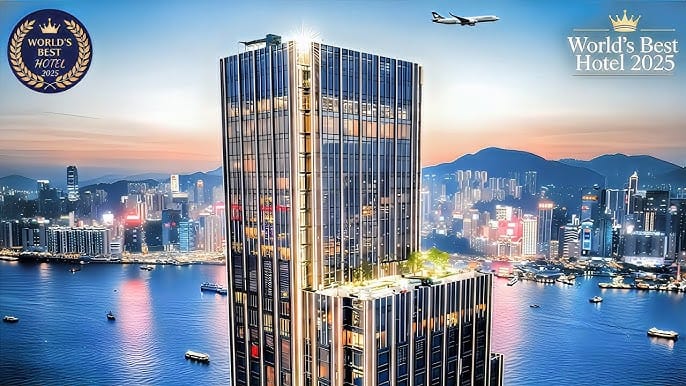
Where cosmopolitan luxury meets cultural connection, Rosewood Hong Kong stands at the pinnacle of global hospitality, having been named No. 1 on The World’s 50 Best Hotels list. Rising 65 stories above Victoria Harbour, the hotel offers sweeping waterfront views, art-filled interiors, and refined craftsmanship, creating an immersive urban sanctuary that reflects and elevates Hong Kong’s cultural vibrancy.
What makes Rosewood authentic isn’t merely its panoramic vantage point, but how it roots guests in Hong Kong’s vibrant cultural pulse. The hotel’s programming, dining, and service philosophies invoke local rhythms — blending Cantonese culinary nuance, wellness traditions, and neighborhood stories into sophisticated luxury experiences.
Guests are invited not only to reside in comfort but to participate in Hong Kong’s narrative — from curated cultural tours to private exhibitions and culinary explorations. Such integration of city identity and global luxury sets Rosewood Hong Kong apart as both a landmark hotel and an authentic gateway to place.
2. Amanpulo — Palawan, Philippines
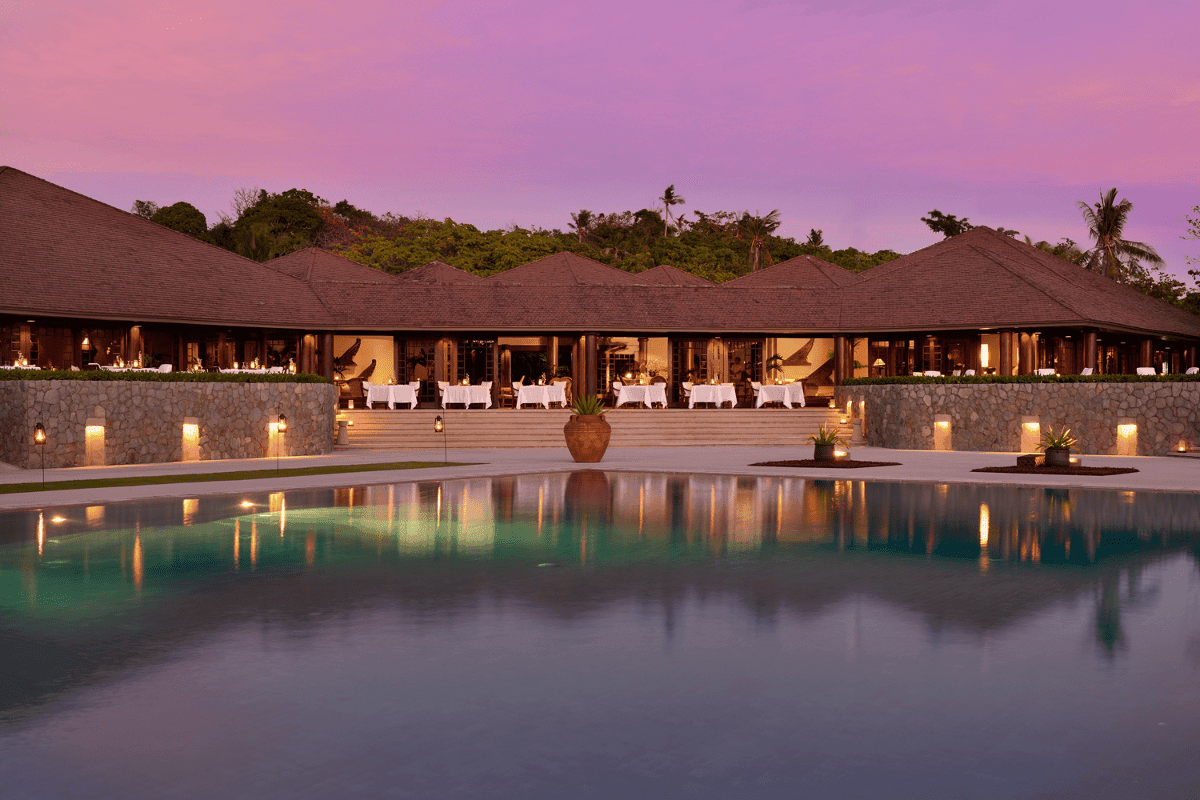
Secluded island luxury is seamlessly infused with natural serenity at Amanpulo, an ultra-luxury private retreat tucked away on the pristine shores of Pamalican Island in the Philippines. Although remote, the resort is internationally renowned for its understated elegance and tranquil exclusivity. Its name, derived from the Sanskrit word aman meaning peace and the Tagalog word pulo meaning island, perfectly encapsulates the property’s ethos — where barefoot sophistication is harmonized with untouched natural beauty, and privacy is elevated into an art form.
This property’s authenticity arises from its intimate connection with nature and local culture. The design reflects Filipino aesthetics and environmental sensitivity, and many experiences (such as island exploration and water-based activities) engage with the island’s ecology and traditions. Guests are not merely served luxury — they are enveloped in the natural rhythms and heritage of Palawan itself.
In an era where high-end travelers seek respite from the ordinary, Amanpulo is a compelling example of how luxury can harmonize with local landscapes and cultural reverence.
3. La Mamounia — Marrakesh, Morocco
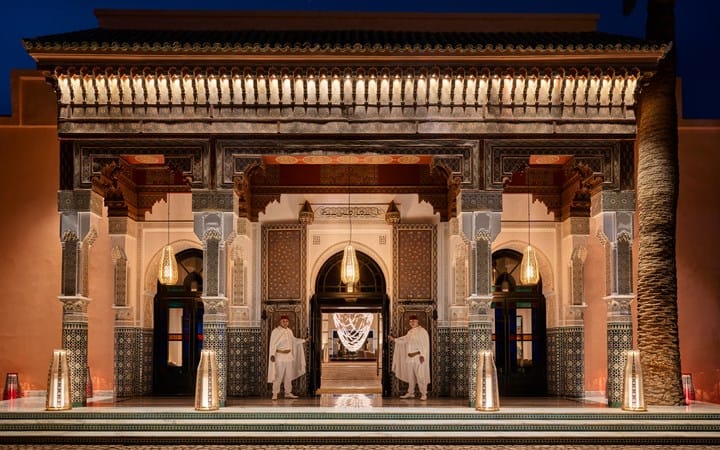
A historic palace hotel where Moroccan heritage is lavishly restored, La Mamounia stands as an emblematic institution in Marrakech, situated beside the revered Kutubiyya Mosque. For generations, it has been celebrated by global jetsetters while remaining deeply rooted in Moroccan tradition. By seamlessly combining intricate architectural splendor with internationally acclaimed luxury standards, the hotel invites guests into a refined world of mosaic-lined courtyards, fragrant gardens, and masterful artisanal craftsmanship, where cultural authenticity is elevated through timeless elegance.
While recognized as one of the world’s greatest hotels by leading travel guides, its authentic core is found in how it honors Moroccan culture: intricate riad-style architecture, cuisine shaped by local traditions, and design language that feels rooted in place rather than imported.
This property exemplifies how historic and cultural legacy can coexist with elevated hospitality, offering experiential richness without sacrificing comfort.
4. Aman Venice — Venice, Italy
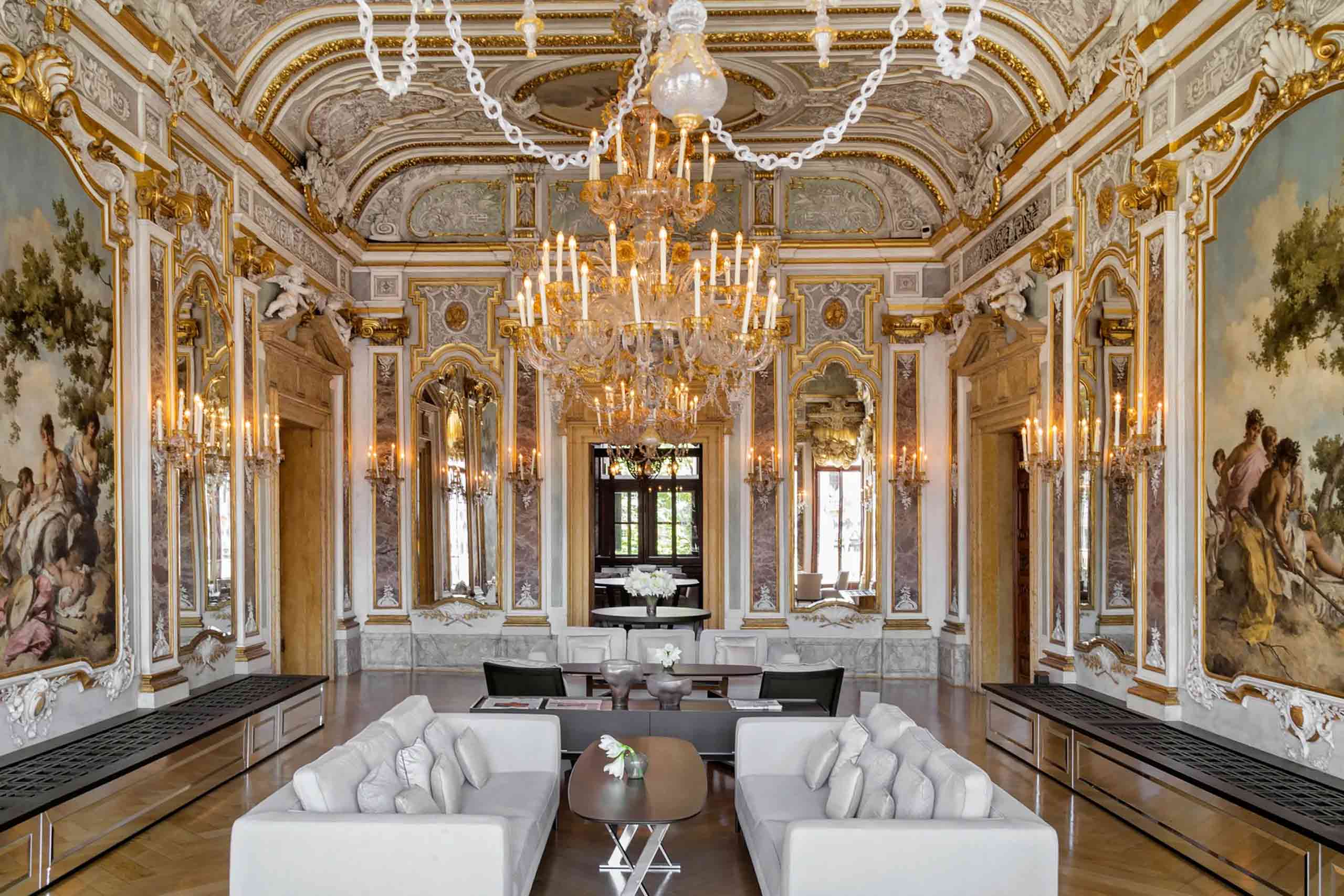
A centuries-old palazzo is transformed into a living art and culture canvas at entity, a distinguished property within the Aman portfolio set inside a meticulously restored 16th-century palace along the entity. Rather than offering merely a luxury stay, the hotel functions as a living museum, where frescoed ceilings, gilded salons, and carefully preserved antique furnishings evoke the grandeur of Venetian history at every turn. Through this seamless fusion of heritage preservation and refined hospitality, an immersive cultural experience is elegantly delivered to modern travelers.
Beyond its physical opulence, this property immerses guests in the artistic heritage of Venice, offering private tours, curated access to ateliers, and experiences that resonate with the city’s enduring cultural legacy.
5. The Johri — Jaipur, India
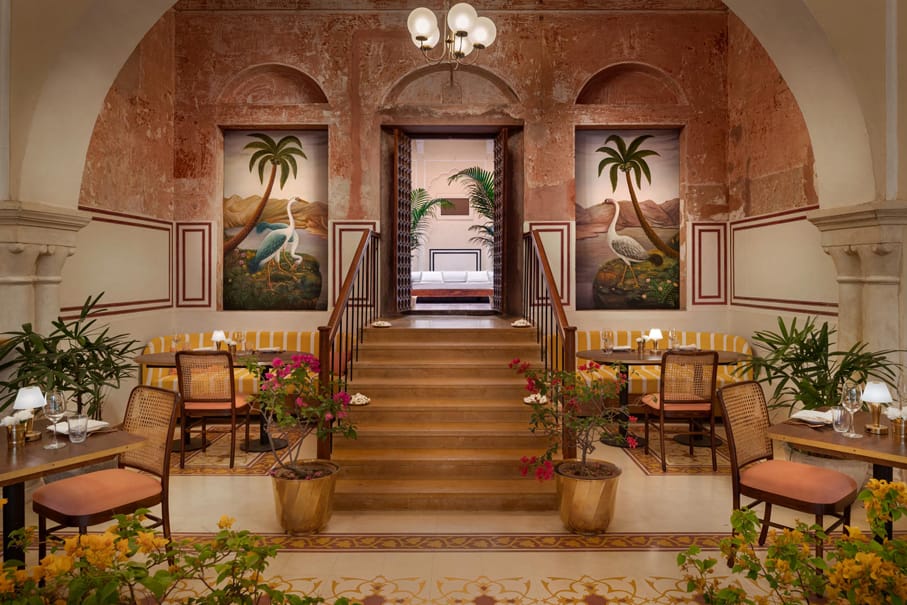
Royal Rajasthani elegance is reimagined through local craftsmanship at The Johri, a highly curated boutique retreat tucked within Jaipur’s vibrant Johri Bazaar. Rather than presenting itself as a sprawling resort, the property delivers an intimate experience infused with regional soul. Its suites are thoughtfully designed to reflect local aesthetics, where jewel-toned textiles, handcrafted brass fixtures, and murals inspired by Rajasthan’s landscapes are seamlessly integrated. As a result, heritage artistry is not only preserved but elevated into a refined and immersive luxury stay.
The hotel makes authenticity tangible through its architectural choices and interior narrative — a deliberate fusion of traditional Indian artistry with modern comfort.
Guests are immersed in the cultural rhythms of Jaipur, stepping out directly into bazaars, havelis (historic mansions), and heritage streets that define the Pink City’s timeless charm.
6. Bloomfield Lodge — Far North Queensland, Australia
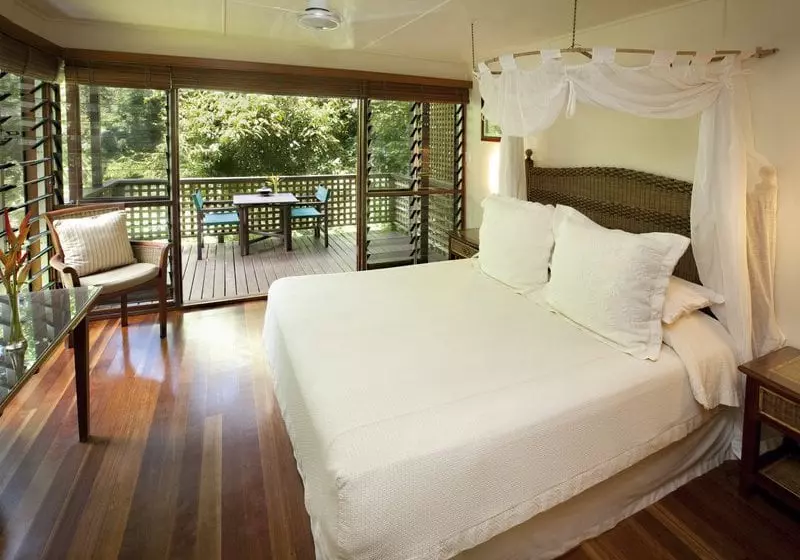
Luxury is entwined with primeval rainforest and Indigenous heritage at Bloomfield Lodge, an exclusive retreat set between the iconic Great Barrier Reef and the ancient Daintree Rainforest. Here, conservation and refined hospitality are seamlessly coalesced, allowing the surrounding wilderness to shape the guest experience. While the natural setting is undeniably breathtaking, the lodge goes further by incorporating Indigenous narratives and ecological stewardship into its programming, including guided nocturnal wildlife tours and meaningful engagements with traditional ecological knowledge. As a result, luxury is elevated beyond comfort, becoming a gateway to cultural insight and environmental appreciation.
This property demonstrates a rising trend in experiential luxury: luxury not as isolation but as a portal to place and community understanding.
7. Chesa Marchetta — Sils-Maria, Switzerland
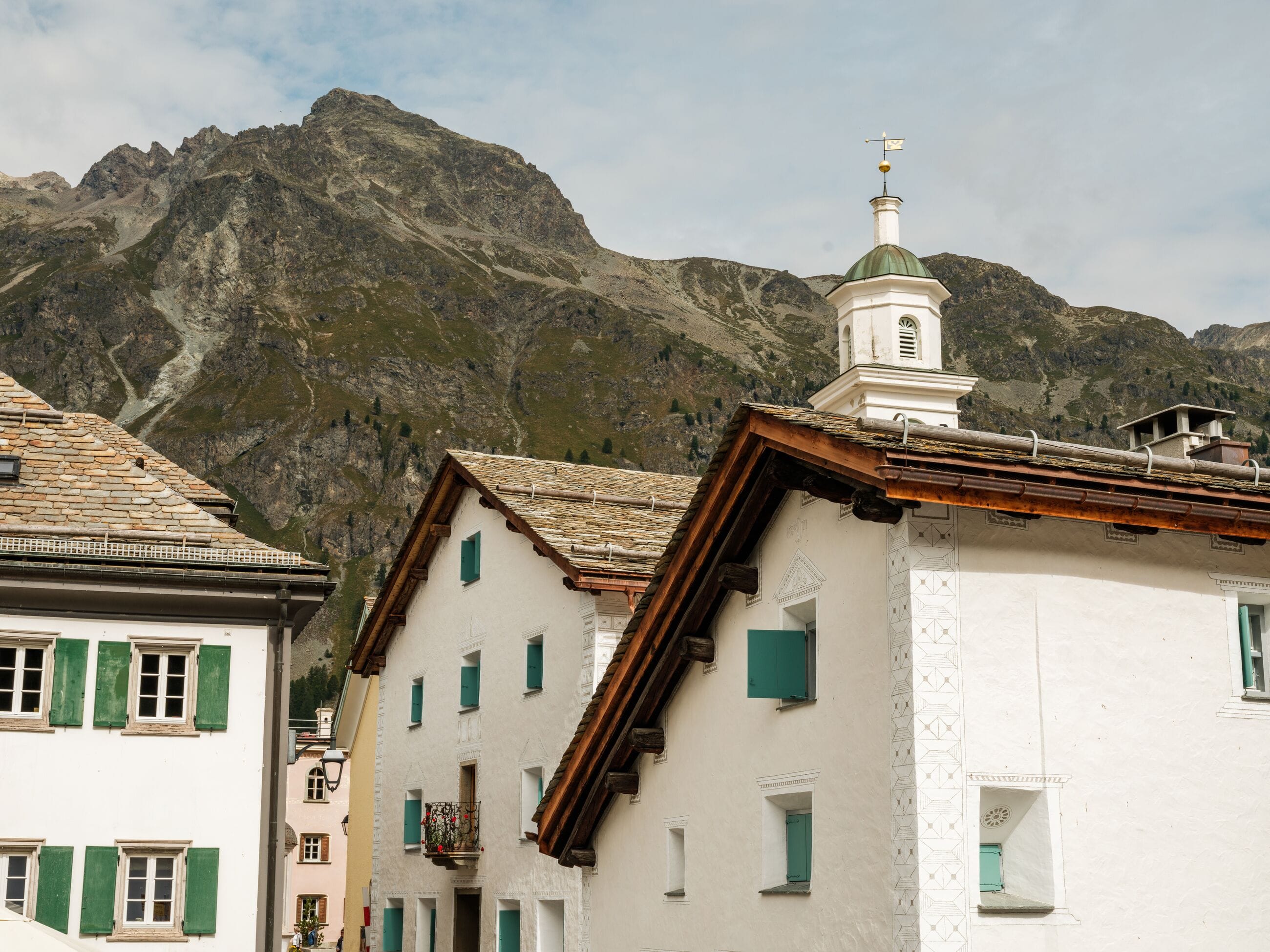
Alpine heritage, art-driven design, and refined alpine hospitality are seamlessly embodied at Chesa Marchetta, a distinctive newcomer to Europe’s luxury landscape. Housed within a beautifully restored 16th-century building in the storied village of Sils-Maria, the property reflects a destination long associated with intellectual and artistic history. Through the careful preservation of traditional architecture and the thoughtful integration of contemporary artistic elements, an atmosphere is created where cultural depth and alpine elegance are harmoniously experienced.
The hotel blends regional tradition with contemporary art, showcasing works by internationally acclaimed artists and local artisans alike. This intertwining of authentic place identity and creative expression creates a stay that feels deeply rooted in both history and culture.
In emerging luxury travel trends, accommodations like Chesa Marchetta are prized not just for comfort, but for storytelling through space — a hallmark of authentic experiential hospitality.
8. NIHI Sumba — Sumba Island, Indonesia
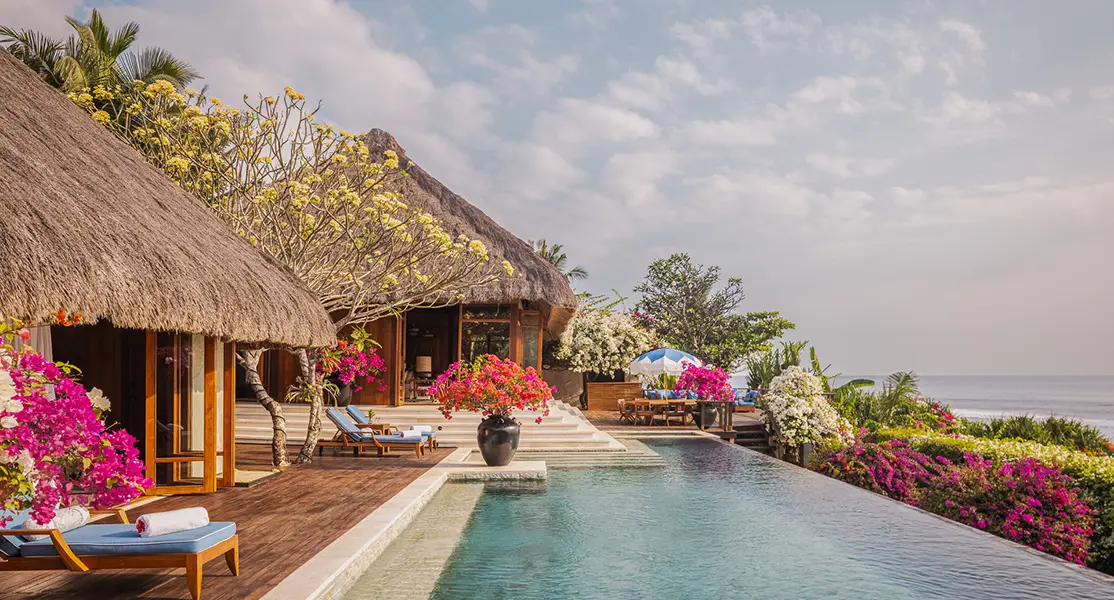
A destination resort defined by wild wellness, ecological immersion, and local heritage, NIHI Sumba is often celebrated as one of the world’s most extraordinary escapes. Situated on Indonesia’s easternmost inhabited island, the property transcends the traditional notion of luxury by offering more than private villas and refined service. Instead, guests are granted access to sweeping natural landscapes, horseback riding along pristine beaches, and holistic wellness programs infused with indigenous philosophies. Through this immersive approach, luxury is redefined as a harmonious balance between untamed nature, cultural depth, and transformative experience.
NIHI’s ethos is sustainability and cultural resonance. It enables guests to engage with local communities, ecological conservation efforts, and experiences that are uniquely Sumbanese — making luxury synonymous with wildness, culture, and place rather than mere extravagance.
9. Raffles Hotel Singapore — Historic Colonial Elegance
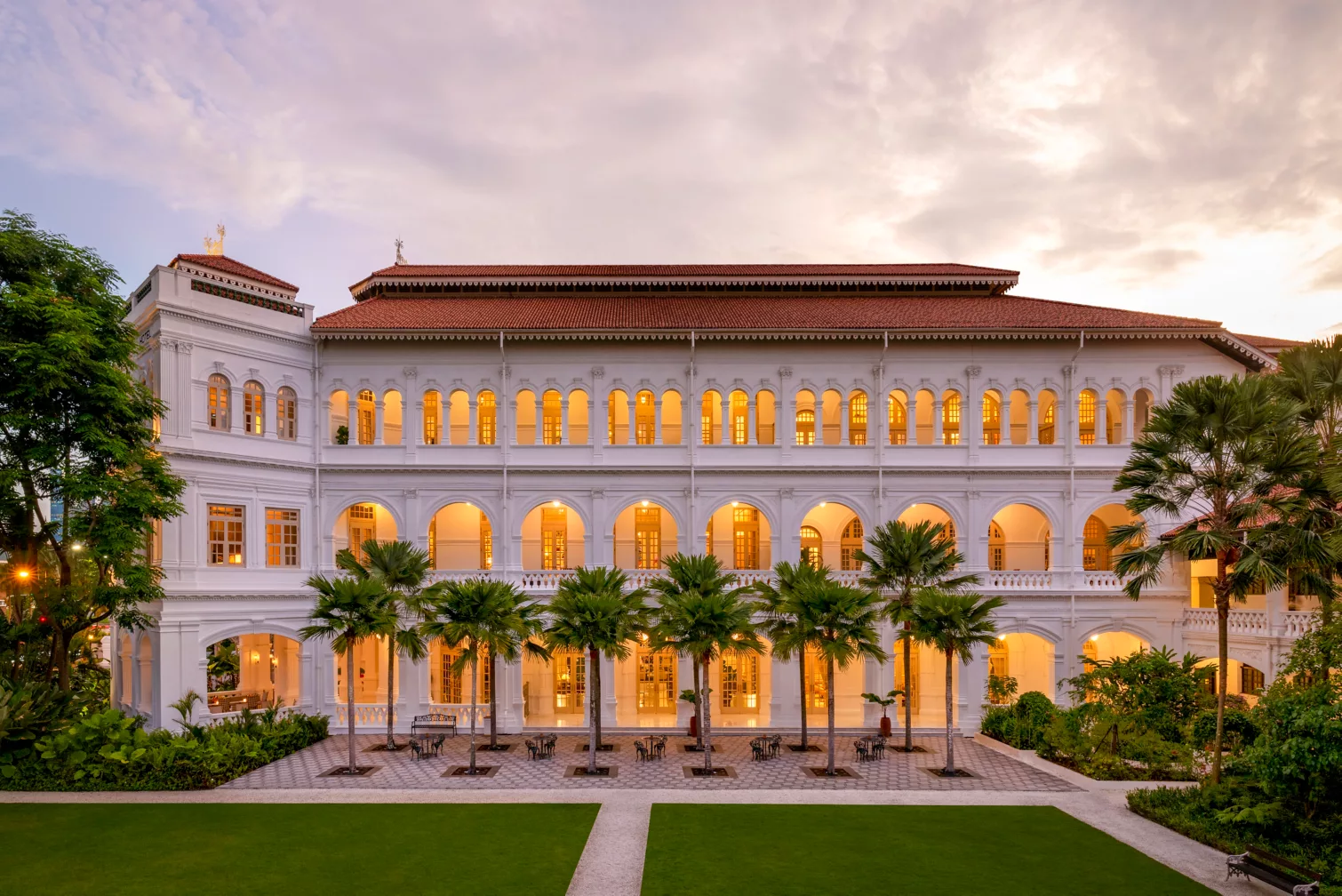
An icon that defines heritage service and timeless grace, Raffles Hotel Singapore has stood as a symbol of colonial-era luxury since its opening in 1887. Over the decades, its grand architecture, storied corridors, and legendary butler service have been carefully preserved and thoughtfully restored, ensuring that historic elegance is seamlessly carried into the modern era. As a result, tradition is not merely remembered but actively experienced, allowing guests to step into a living legacy of refined hospitality.
Unlike more contemporary brands focused solely on trends, Raffles has remained authentic in how it preserves ritual and ritualized service — including the famous Singapore Sling at the Long Bar and personalized butler approaches that echo historic hospitality practices.
Guests at Raffles experience a sense of continuity with the past — not as a museum, but as a living tradition reaffirmed through exquisite service, enduring design, and narrative depth.
10. Fili Hotel NUSTAR Cebu — Filipino Heritage Luxury
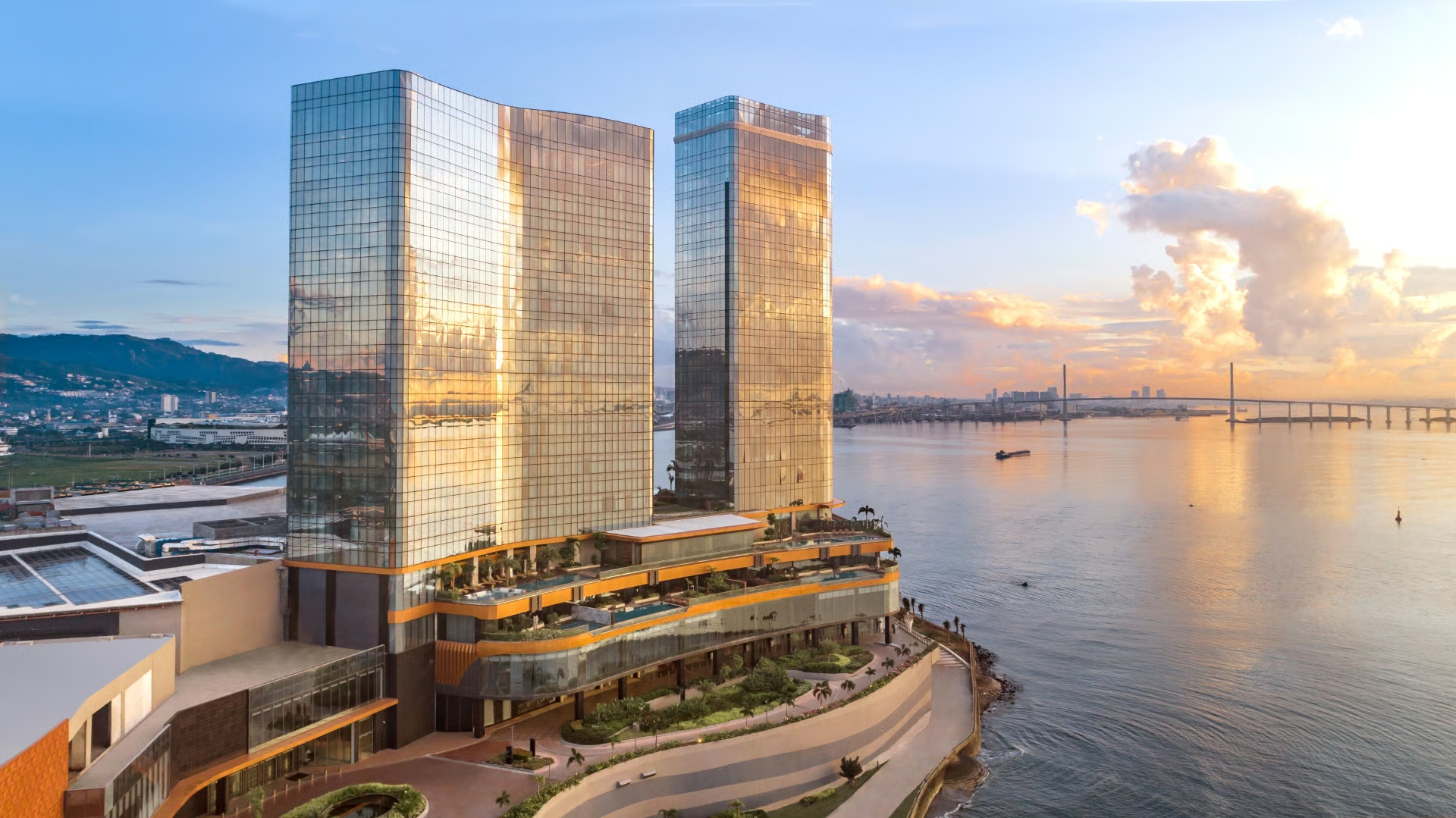
A new generation of authentic luxury rooted in Filipino culture is exemplified by Fili Hotel NUSTAR Cebu, which has emerged as a standout in Asia’s evolving hospitality landscape. Having been crowned Hotel of the Year at the Luxe Global Awards, the property signals the rise of locally grounded luxury brands that operate with global caliber. Through design elements inspired by Filipino artistry and a service philosophy shaped by warm, distinctly local hospitality, cultural identity is seamlessly elevated into a refined and internationally competitive luxury experience.
Fili celebrates Filipino artistry and materials throughout its design — from solihiya woven accents to décor inspired by regional biodiversity and cultural motifs.
Rather than replicating Western luxury norms, this property affirms how authentic cultural narrative can elevate hospitality, giving global travelers a sense of place that is both refined and rooted.
Conclusion
In 2026, luxury hospitality has evolved beyond vortexes of extravagance into experiential conduits — each stay a story, culture, and memory. These top ten accommodations show that deepest luxury is not merely about price or pedigree, but connection: to place, to people, and to personal transformation.
Whether your traveler is seeking island isolation, historic immersion, jungle exploration, or art-infused elegance, each destination above represents a different facet of what makes modern luxury travel both authentic and unforgettable.
Catch up on the newest TRAVEL trends here.