Fiber has officially entered its “mainstream wellness era.” Once overlooked in favor of protein or low-carb diets, fiber is now dominating global nutrition conversations, driven by the rise of gut health awareness, microbiome science, and functional foods. In fact, recent industry data shows that fiber is one of the fastest-growing functional ingredients in 2026, with increasing consumer demand for digestive support, weight management, and metabolic health solutions.
At the same time, the global fiber supplement market is projected to grow significantly—from $11.26 billion in 2026 to over $21 billion by 2034—highlighting just how influential this “fad” has become in modern nutrition.
However, while fiber trends are booming, not all fiber products are created equal. Some deliver clinically supported benefits, while others are driven more by marketing than science. Therefore, this comprehensive guide explores the Top 10 Fiber Trends for Better Digestion and Wellness, breaking down their benefits, risks, and real-world effectiveness—so readers can make informed, evidence-based decisions.
1. Psyllium Husk Supplements

Psyllium husk has been linked to modest weight loss and improved metabolic health outcomes.
Benefits
- Supports regular bowel movements
- Promotes satiety and appetite control
- Lowers cholesterol and blood sugar levels
- Improves gut microbiota composition
Psyllium’s rise as a trending wellness ingredient is largely driven by social media and growing demand for affordable, “natural” alternatives to weight-loss drugs like Ozempic. Often called “nature’s Ozempic,” this soluble fiber absorbs water and forms a gel in the gut, slowing digestion and helping reduce appetite and calorie intake. Its combination of gut, metabolic, and appetite benefits has fueled its popularity in 2025–2026 wellness circles, although experts emphasize that its effects are milder than prescription medications and work through physical digestion rather than hormonal pathways.
The verdict is clear: this fiber product is highly effective and backed by strong scientific evidence, making it one of the most reliable options currently available.
2. Inulin-Based Fiber Powders
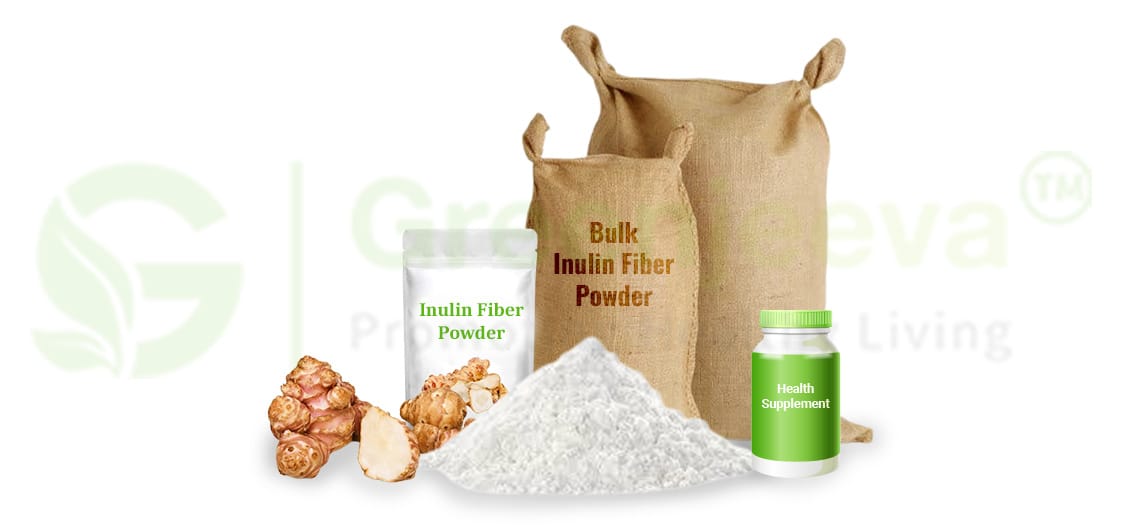
Inulin is a widely used prebiotic fiber extracted from chicory root and commonly added to powders, snacks, and beverages to boost fiber content and support digestive health. As a non-digestible fiber, it feeds beneficial gut bacteria, which can enhance digestion, promote microbiome diversity, regulate blood sugar, and even aid satiety, contributing to its popularity in functional foods and wellness products.
Benefits
- Feeds beneficial gut bacteria
- Enhances digestion and microbiome diversity
- May support immune function
However, inulin can cause bloating and gas in individuals with sensitive digestive systems, and its effects can vary from person to person. While effective for many, its benefits are highly individualized, making it unsuitable as a universal solution.
3. Fiber Gummies

Fiber gummies are rapidly emerging as one of the fastest-growing supplement formats, particularly among younger consumers who prefer flavorful, easy-to-consume alternatives to traditional pills and powders. Research shows that Millennials and Gen Z are driving this surge due to their focus on preventive health, digital wellness trends, and lifestyle-friendly products.
Benefits
- Supports digestive regularity
- Helps improve fiber intake compliance
- Convenient and portable
One of the main concerns is that fiber gummies often contain added sugars and provide less fiber than powders or other forms. As a result, they are best used as a supplemental source of fiber rather than a primary one.
4. Resistant Starch Products
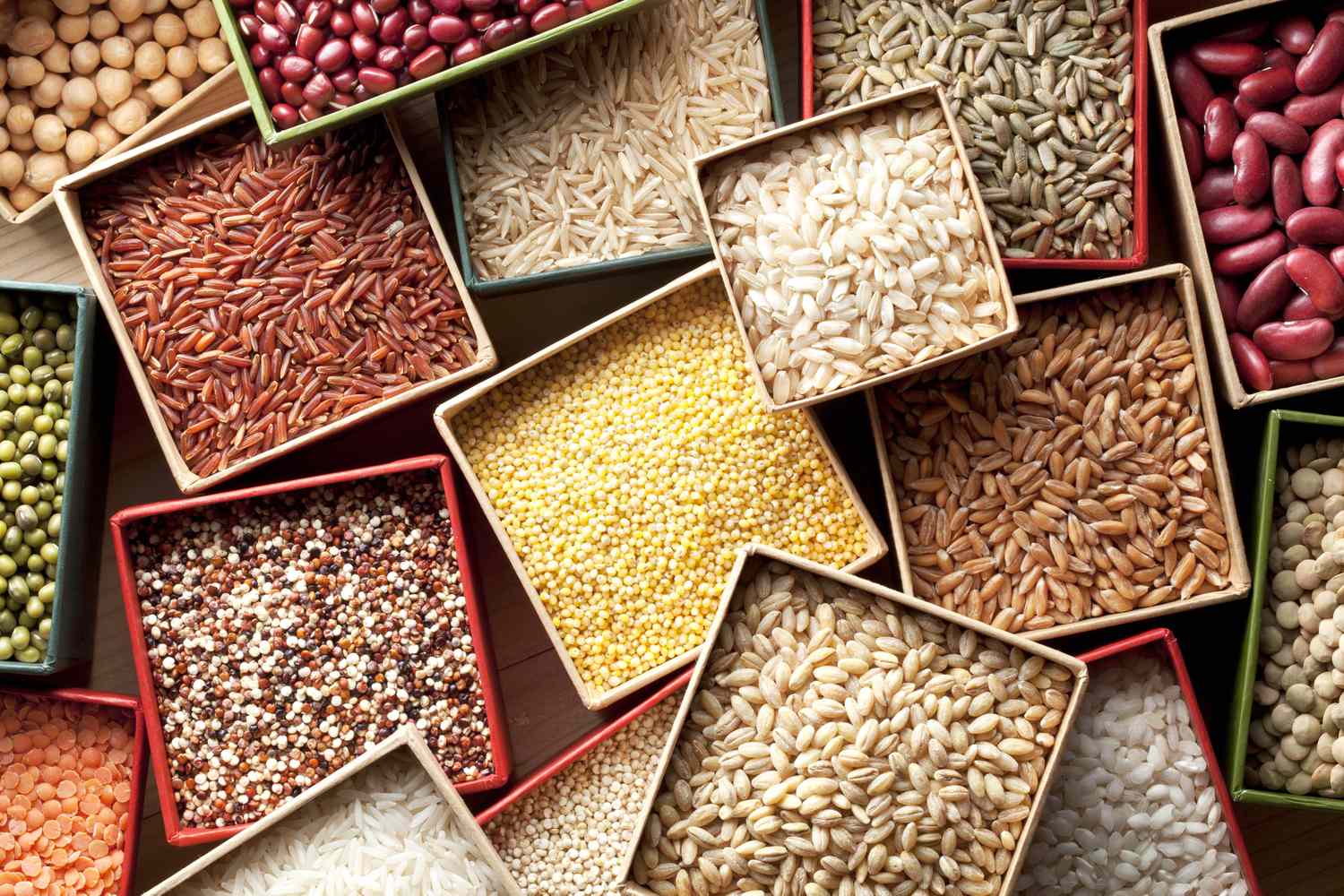
Resistant starch has gained attention in nutrition and wellness circles as a unique type of fiber that bypasses digestion in the small intestine and is fermented in the colon by beneficial gut bacteria. This process produces short-chain fatty acids like butyrate, which support gut and colon health, reduce inflammation, and help regulate blood sugar and metabolism, making resistant starch a popular addition to functional foods and fiber-focused diets.
Benefits
- Improves gut microbiota
- Enhances insulin sensitivity
- Supports colon health
While resistant starch offers promising benefits for metabolic health, it may not lower cholesterol as effectively as other fibers and should be considered a supportive addition to a healthy diet rather than a complete solution on its own.
5. Fiber-Enriched Snack Foods
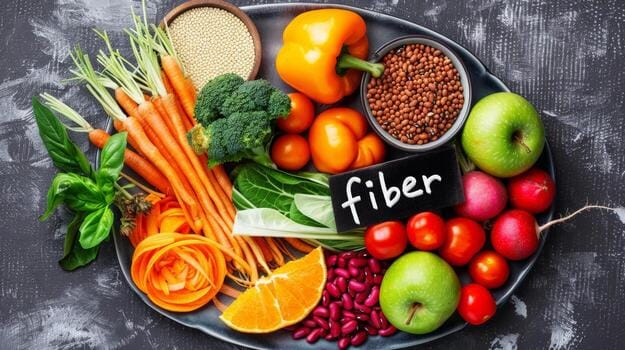
Across the food industry, many processed products—from protein bars and baked snacks to chips and cereals—are now being fortified with added fiber to appeal to health‑minded consumers and help bridge the fiber gap in modern diets. Manufacturers often use functional fibers like inulin, chicory root fiber, and other isolated fibers to boost nutritional value, improve texture, and create snacks with “high‑fiber” claims, even when the base product is ultra-processed. While these foods can make it easier to increase daily fiber intake, experts caution that added fibers may not provide the same benefits as naturally occurring fibers in fruits, vegetables, and legumes, and some products may contain unhealthy additives or disrupt gut balance.
Benefits
- Convenient for busy lifestyles
- Helps supplement daily fiber intake
Caution
Fiber-fortified foods should be used thoughtfully, as not all are equally healthy or beneficial.
6. Prebiotic Fiber Blends (FOS & GOS)
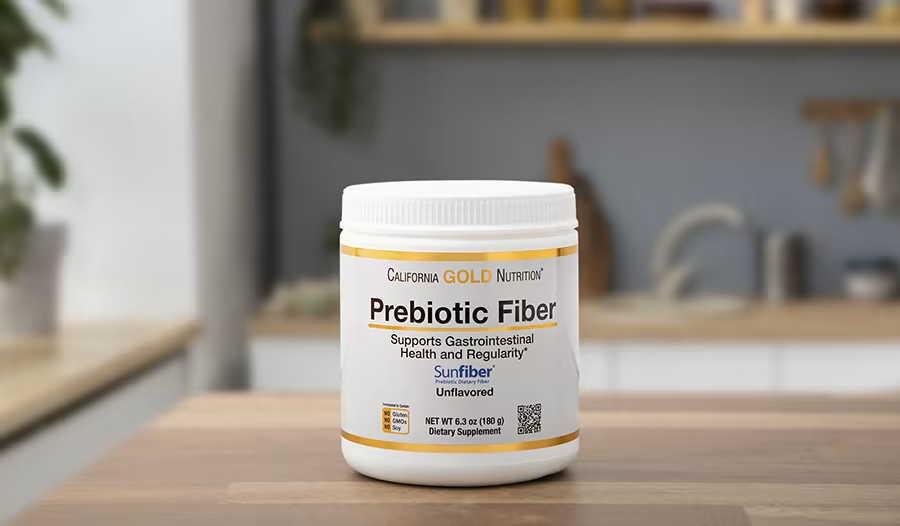
Fructooligosaccharides (FOS) and galactooligosaccharides (GOS) are well‑studied prebiotic fibers that escape digestion in the upper gut and feed beneficial bacteria like Bifidobacterium and Lactobacillus in the colon. This process helps maintain a balanced microbiome, supports the production of short-chain fatty acids linked to digestive and immune health, and contributes to mineral absorption and gut regularity. FOS and GOS are commonly added to functional foods and supplements to promote beneficial bacteria growth, improve digestion, support immunity, and enhance the gut-brain axis. While individual responses may vary, these prebiotic fibers are considered highly beneficial, especially when incorporated consistently for long-term gut health.
Benefits
- Promote beneficial bacteria growth
- Improve digestion and immunity
- Support gut-brain axis
7. Fiber Drinks and Powders

Fiber drinks in powder form—designed to dissolve into water, smoothies, or even coffee—are a growing trend in the functional beverage category, offering a convenient way to increase daily fiber intake. These drink mixes often contain fibers like inulin, psyllium, or other soluble options that blend smoothly into beverages while supporting digestion, satiety, and bowel consistency without altering flavor or texture. Studies show that fiber supplementation can improve gut microbiota and enhance bowel-related quality of life, making these drinks an effective and practical option, especially for beginners.
Benefits
- Easy integration into daily routines
- Supports digestion and satiety
- Can improve bowel consistency
8. Whole-Food Fiber Supplements (Greens Powders)
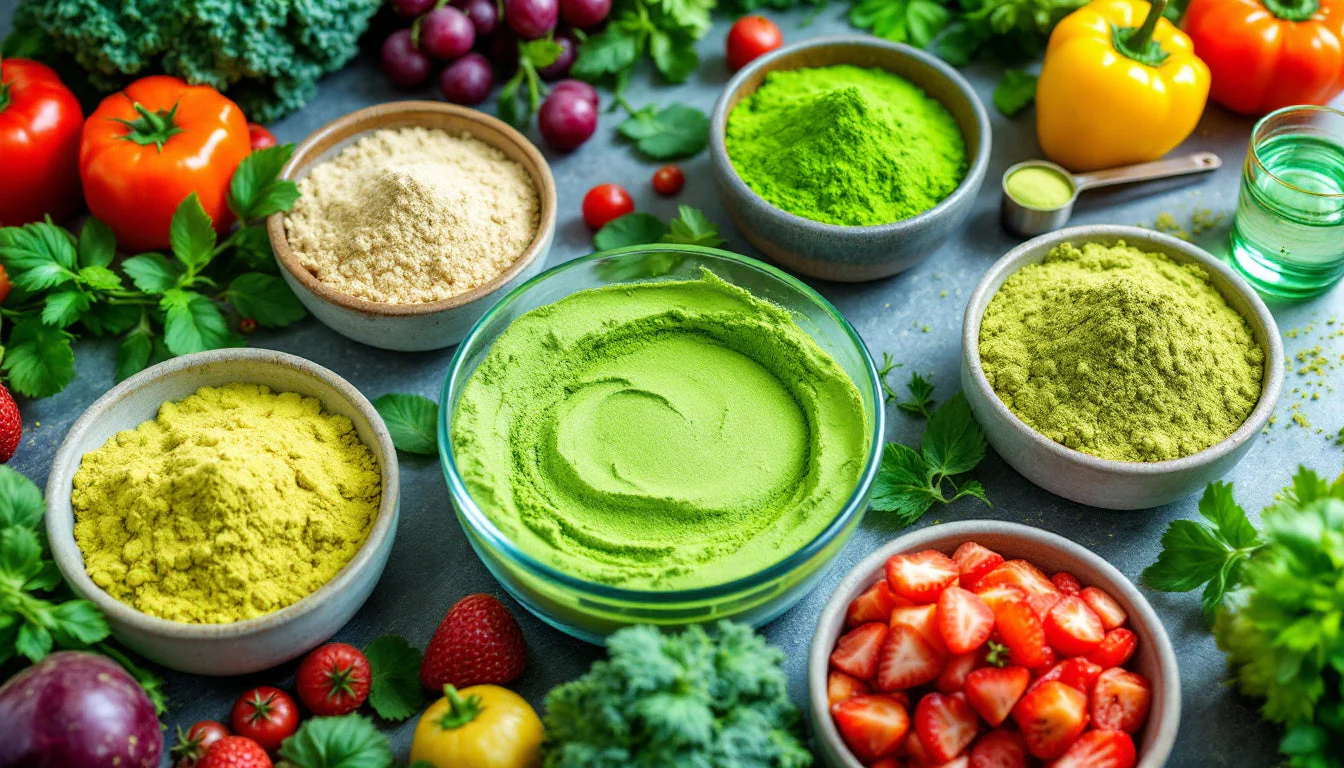
These supplements—often in powder form—are increasingly marketed as all-in-one wellness boosters designed to fill nutritional gaps in modern diets. They typically combine plant-based fibers with nutrient-dense greens, fruits, and superfoods, along with antioxidants, probiotics, and other phytonutrients to support digestion, immunity, and overall vitality without needing large amounts of fresh produce. Many users mix them into water, smoothies, or juices for a convenient daily nutrient boost, though dietitians note they are best used to complement whole foods rather than replace them entirely. While they provide broad nutritional benefits, their fiber content is lower than that of dedicated fiber supplements, making them a less concentrated source of fiber but valuable as a holistic addition to a balanced diet.
Benefits
- Provide additional nutrients (vitamins, antioxidants)
- Support overall health beyond digestion
9. Methylcellulose Fiber Supplements

Methylcellulose fiber supplements, such as those sold under brand names like Citrucel, are semi-synthetic, bulk-forming fibers that absorb water in the intestines to create soft, bulky stools and help relieve occasional constipation with minimal gas or bloating compared to fermentable fibers. They are considered gentle on the digestive system, making them suitable for people with sensitive stomachs or discomfort from other fiber types. Because methylcellulose isn’t broken down by gut bacteria, it provides consistent stool-softening benefits but does not act as a prebiotic, so it works best as part of a balanced diet rather than a standalone solution for broader gut health goals.
Benefits
- Relieves constipation
- Less likely to cause gas compared to fermentable fibers
10. Synbiotic Fiber Products (Fiber + Probiotics)
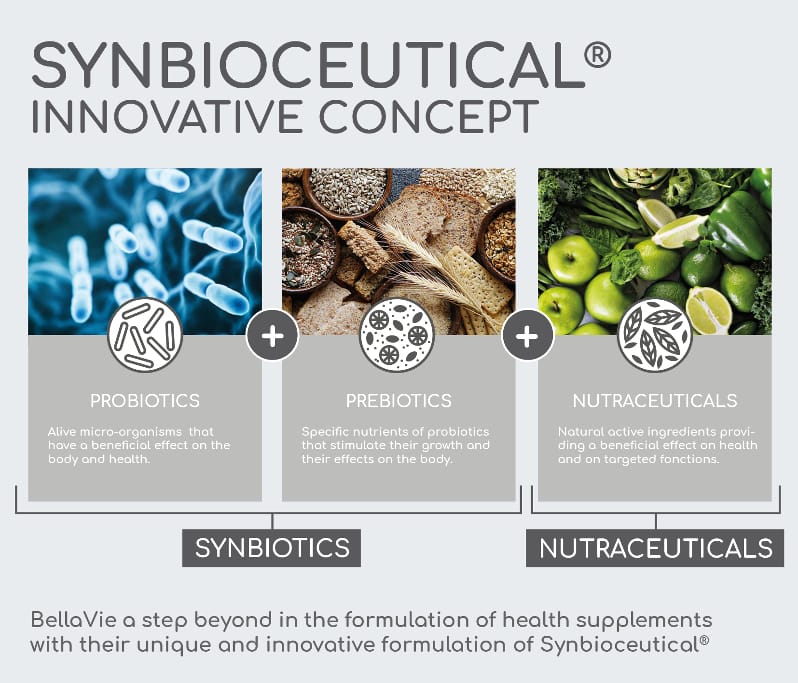
Synbiotics combine prebiotic fibers with probiotics to create a synergistic effect in the gut, where the prebiotics serve as food for the probiotics and help enhance their survival, activity, and colonization. This combination supports a balanced gut microbiome by promoting the growth of beneficial microbes, increasing short-chain fatty acid production, and strengthening the intestinal barrier, which can improve digestion, immunity, and overall gut function more effectively than taking prebiotics or probiotics alone. Research suggests synbiotics may also offer potential benefits for metabolic health and the gut-brain axis, though their long-term effects are still being studied.
Benefits
- Enhance gut microbiome diversity
- Improve digestion and immunity
- Potential mental health benefits via the gut-brain axis
Personalized nutrition and synbiotics are emerging as next-generation approaches in fiber supplementation, offering tailored strategies to optimize gut health. While promising, this field is still evolving, and more research is needed to fully understand their long-term benefits and best use.
Conclusion
Fiber has undeniably transformed from a basic dietary component into a global health trend and functional super-nutrient. While many fiber “fad” products offer real benefits, not all are equally effective. Therefore, consumers should prioritize science-backed options like psyllium, prebiotic fibers, and whole-food sources while approaching heavily processed fiber products with caution.
Ultimately, the most effective strategy is a balanced approach—combining whole foods with targeted supplementation when necessary. As the science of gut health continues to expand, fiber will remain at the center of modern wellness, shaping how we approach nutrition, disease prevention, and overall health in 2026 and beyond.
Read more about what’s trending in HEALTH right now.