Biophilic design has rapidly evolved from a niche architectural philosophy into a mainstream movement shaping homes, offices, and urban environments in 2026. As cities become denser and lifestyles increasingly digital, the human need to reconnect with nature is being addressed through thoughtful, science-backed design strategies. Rooted in the concept of “biophilia”—the innate human attraction to nature—this approach integrates natural elements into built environments to enhance well-being, productivity, and sustainability.
In recent years, biophilic design has been widely recognized for its measurable benefits. Studies have shown that exposure to natural elements can reduce stress, improve cognitive performance, and enhance emotional health. Moreover, modern applications now extend beyond aesthetics, incorporating advanced technologies, sustainable materials, and climate-responsive systems.
This comprehensive guide explores the Top 10 Biophilic Design Ideas, complete with practical applications, current trends, and real-world examples. Whether you are designing a home, office, or commercial space, these ideas will help you create environments that are not only visually appealing but also deeply restorative.
1. Maximize Natural Light
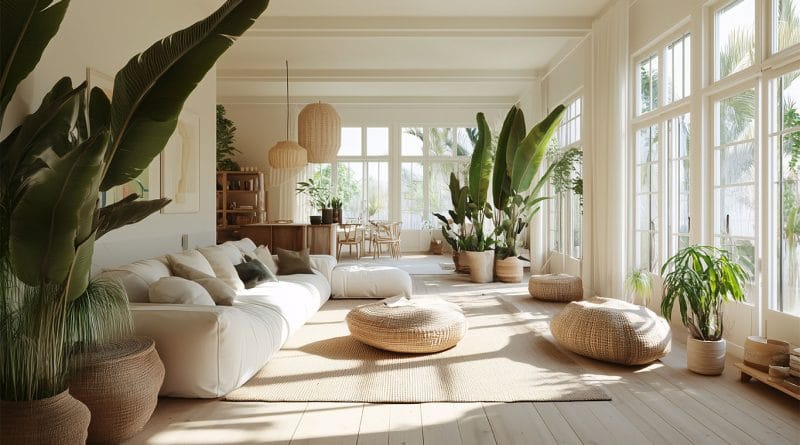
Natural light is considered one of the most fundamental elements of biophilic design. Spaces that are designed to maximize daylight exposure have been shown to improve sleep cycles, mood, and overall productivity.
Large windows, skylights, and open floor plans are commonly used to allow sunlight to penetrate deeper into interiors. Additionally, reflective surfaces can be incorporated to distribute light more evenly.
Smart glass technology that adjusts transparency based on sunlight intensity is becoming increasingly popular.
2. Incorporate Indoor Plants and Green Walls
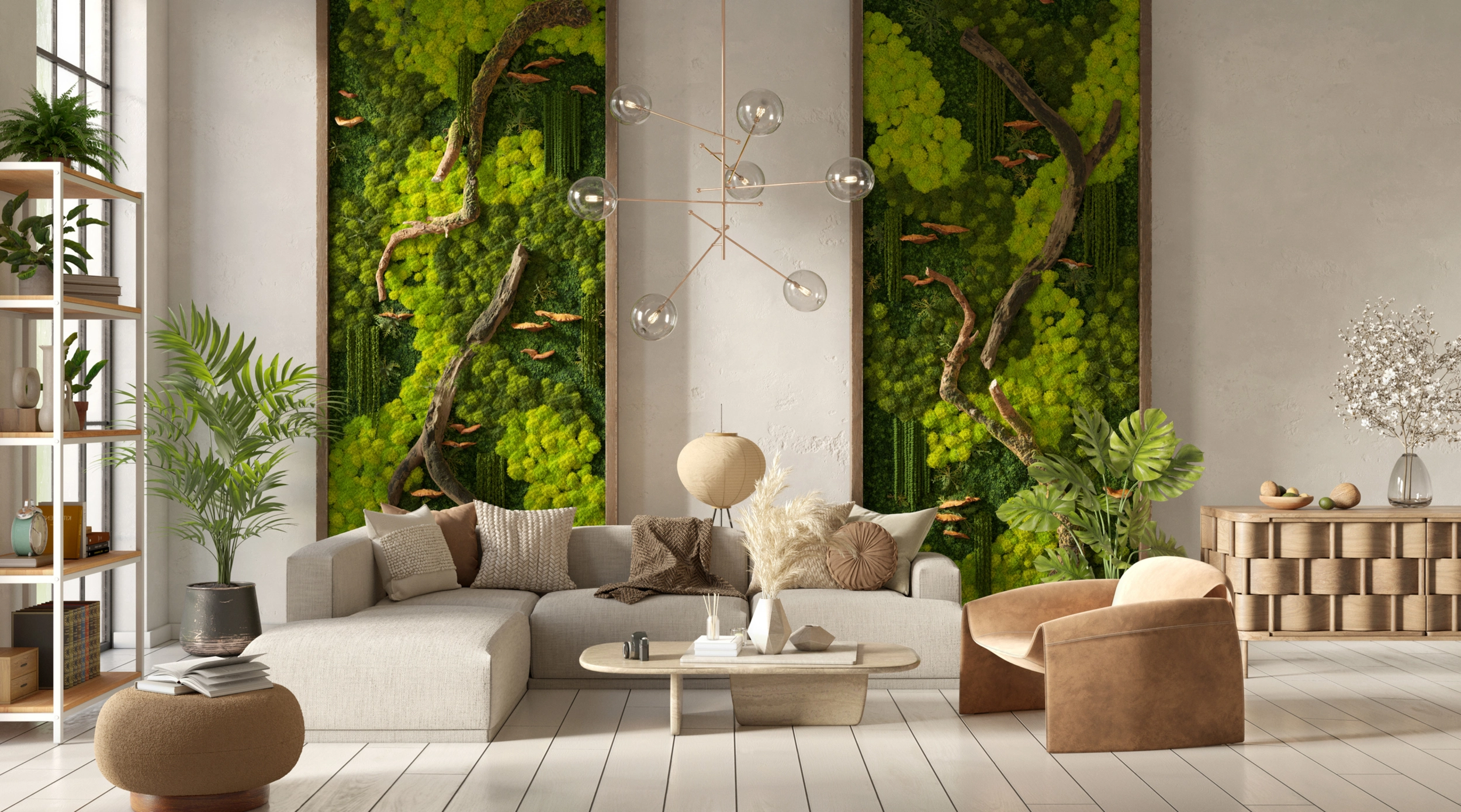
Indoor greenery remains one of the most accessible and impactful biophilic strategies. Plants not only enhance visual appeal but also contribute to cleaner air and reduced stress levels.
Green walls (vertical gardens) are especially popular in urban settings where floor space is limited.
Examples:
- Living walls in offices
- Hanging plant installations
- Desktop greenery
Even small plants can significantly improve mood and focus.
3. Use Natural Materials and Textures
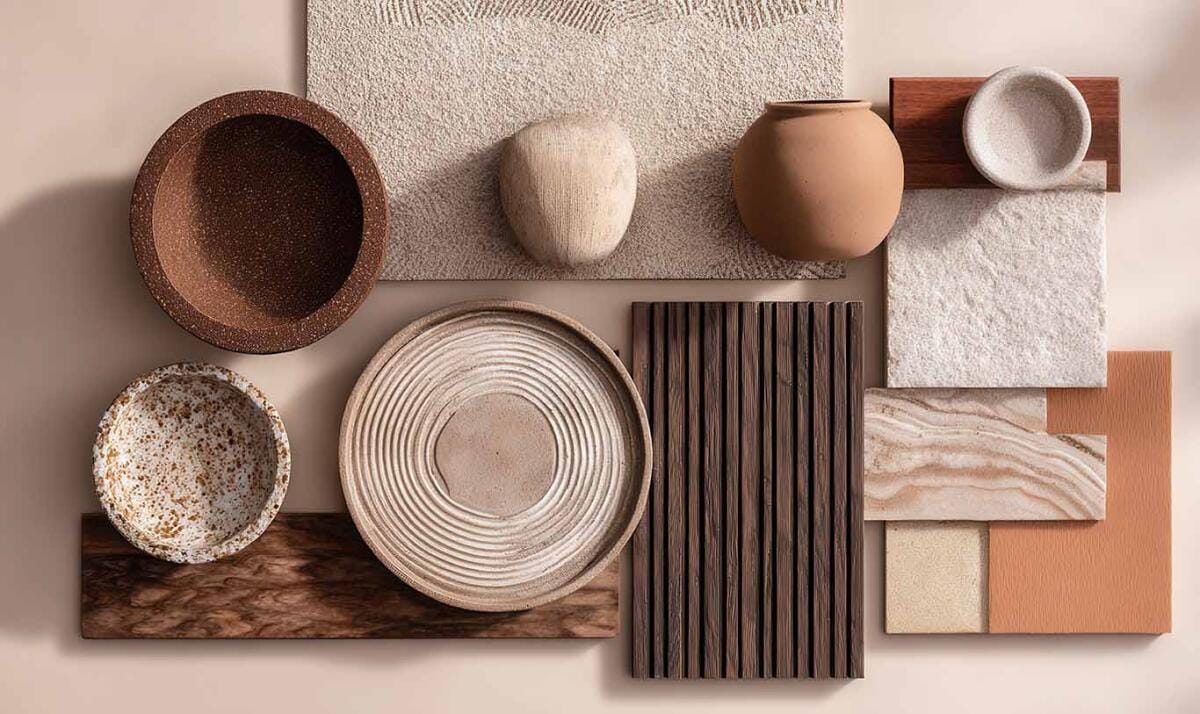
Materials such as wood, stone, bamboo, and clay are widely used to evoke a natural feel indoors. These elements provide tactile richness and sensory engagement, which are key components of biophilic design.
Applications include:
- Wooden flooring and furniture
- Stone countertops
- Natural fiber textiles
These materials help create warmth and authenticity while reinforcing a connection to nature.
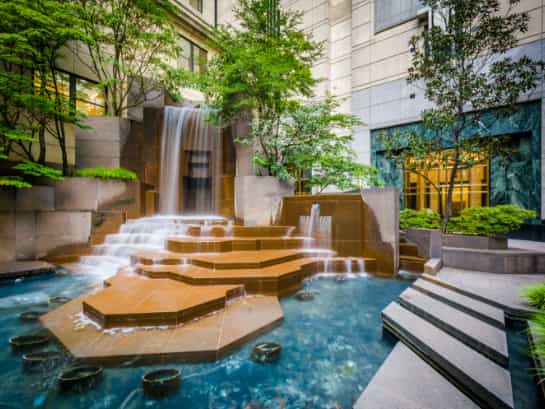
4. Integrate Water Features
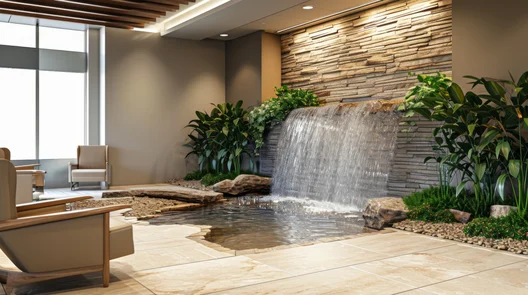
Water elements such as fountains, aquariums, and indoor waterfalls introduce calming auditory and visual stimuli.
The sound of flowing water has been linked to reduced stress and enhanced relaxation, making it a powerful design feature.
Modern application:
- Minimalist indoor fountains
- Reflective pools in commercial spaces
- Smart water installations with filtration systems
5. Create Visual Connections to Nature
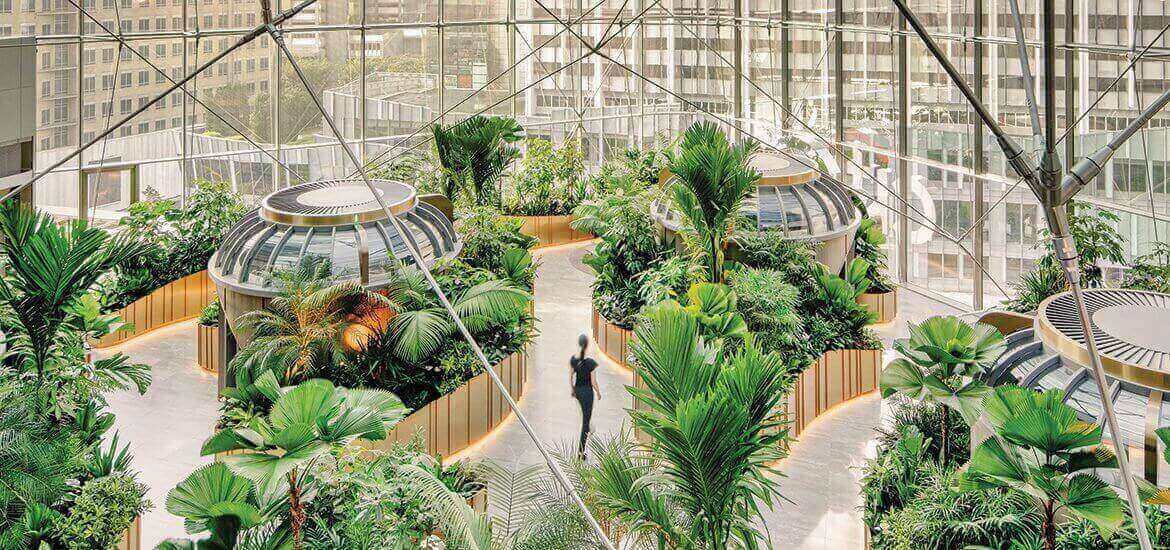
Views of greenery, gardens, or natural landscapes significantly impact mental well-being. Even indirect exposure—such as nature-inspired artwork—can have positive effects.
Design strategies:
- Position seating near windows
- Frame outdoor views
- Use landscape-oriented layouts
6. Design with Natural Ventilation
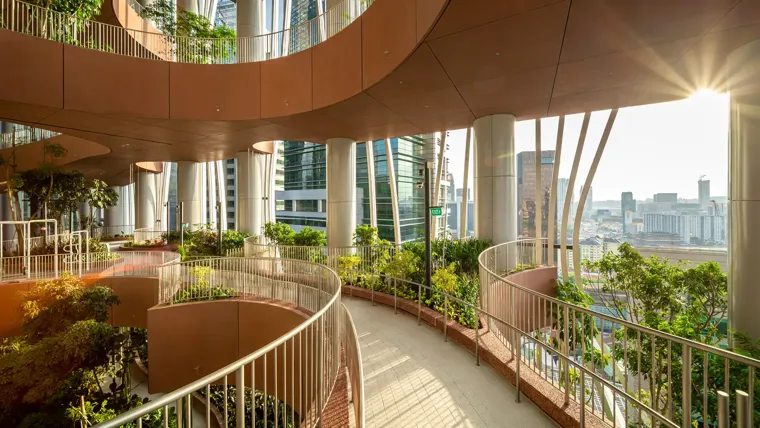
Airflow plays a critical role in both comfort and health. Biophilic design emphasizes passive ventilation systems that bring fresh air indoors.
Benefits include:
- Improved indoor air quality
- Reduced reliance on artificial cooling
- Enhanced thermal comfort
Buildings that incorporate natural ventilation often align with sustainability goals and energy efficiency standards.
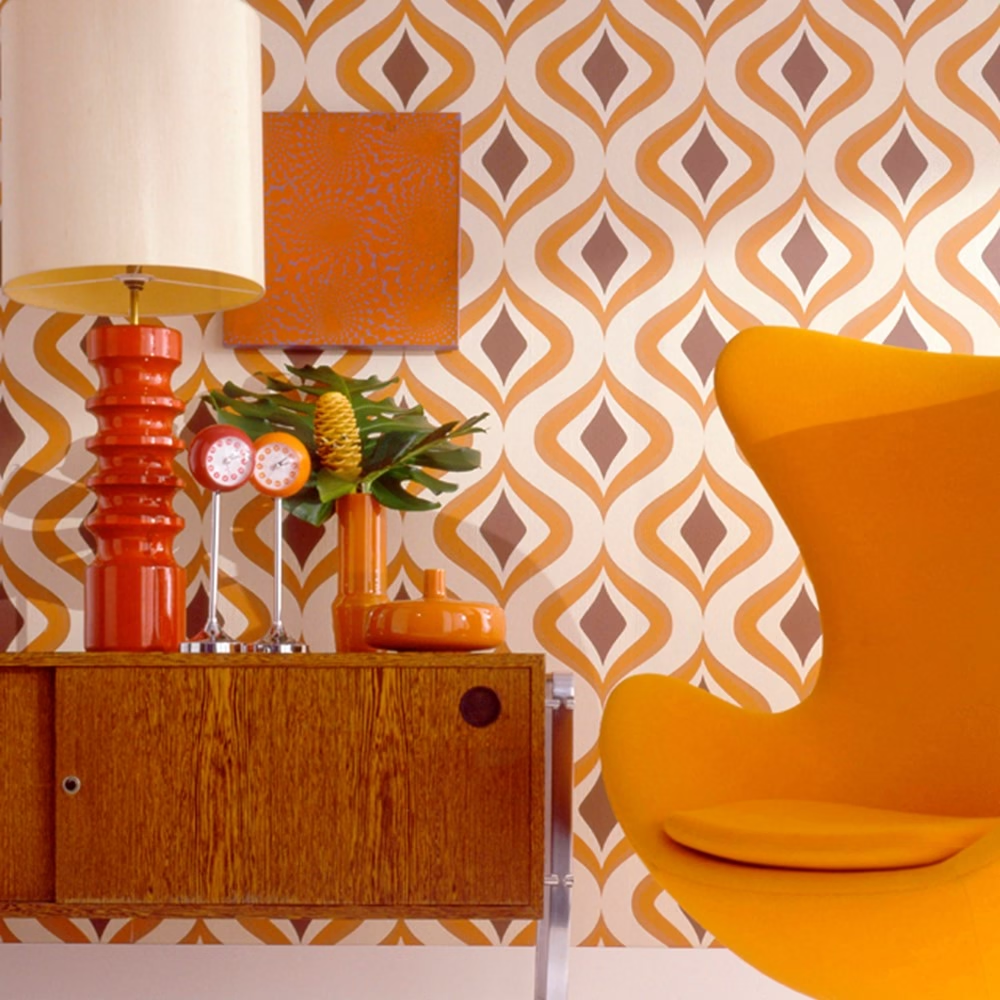
7. Incorporate Biomorphic Forms and Patterns
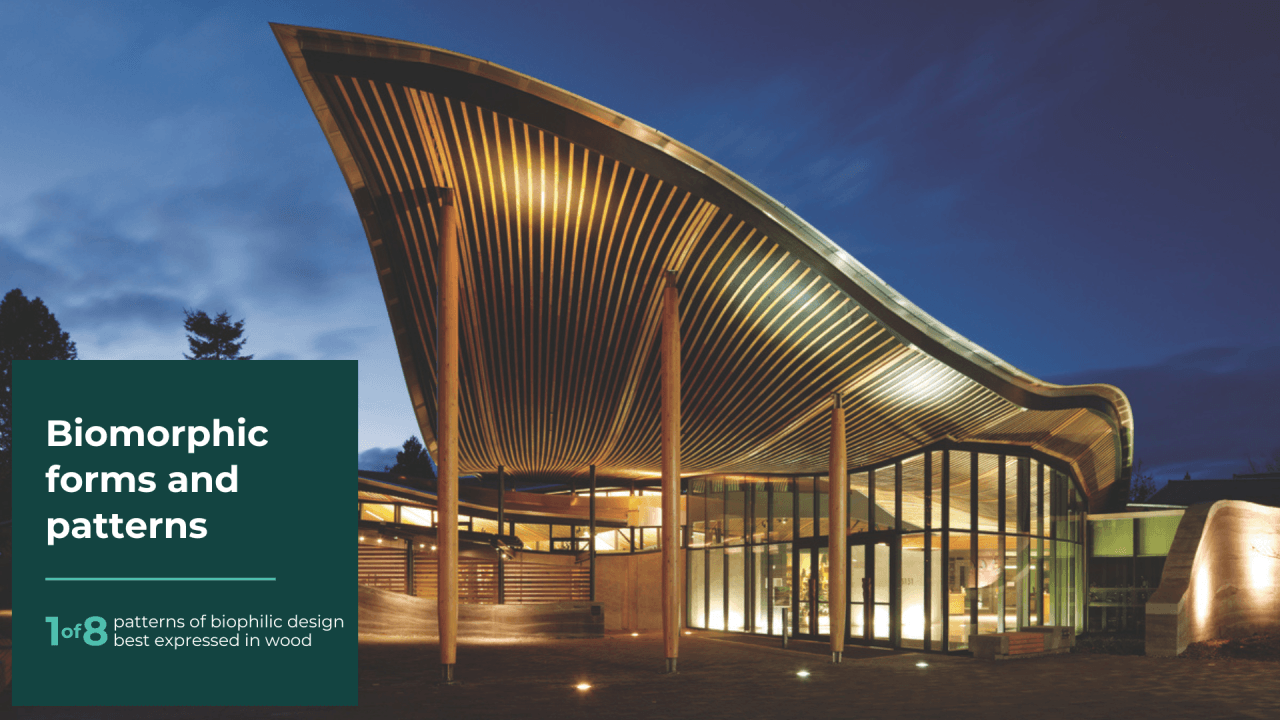
Biomorphic design involves using shapes and patterns inspired by nature—such as curves, fractals, and organic forms.
Examples include:
- Leaf-shaped furniture
- Curved architectural elements
- Nature-inspired textiles
These patterns stimulate the brain and create a subconscious connection to natural environments.
8. Create Multi-Sensory Experiences
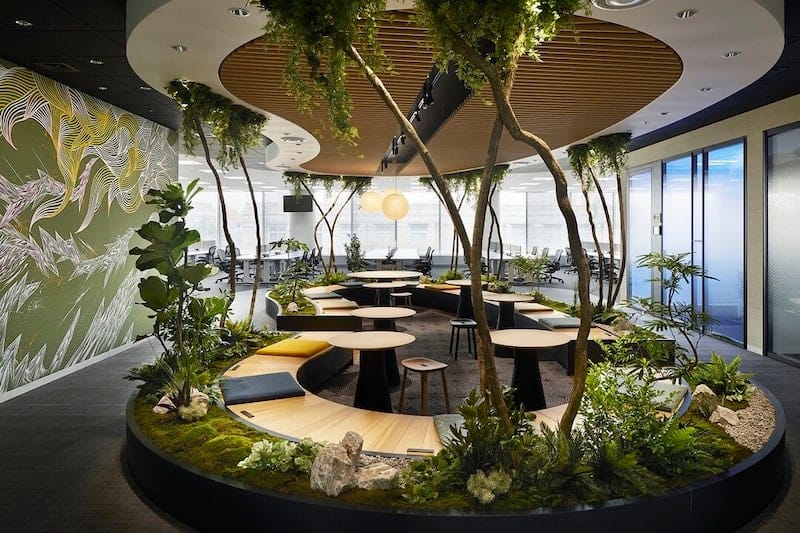
Biophilic design goes beyond visuals. It engages multiple senses:
- Sound: Water, wind, birds
- Touch: Natural textures
- Smell: Plants, essential oils
This sensory richness enhances emotional well-being and creates immersive environments.
9. Build Outdoor-Indoor Transitions
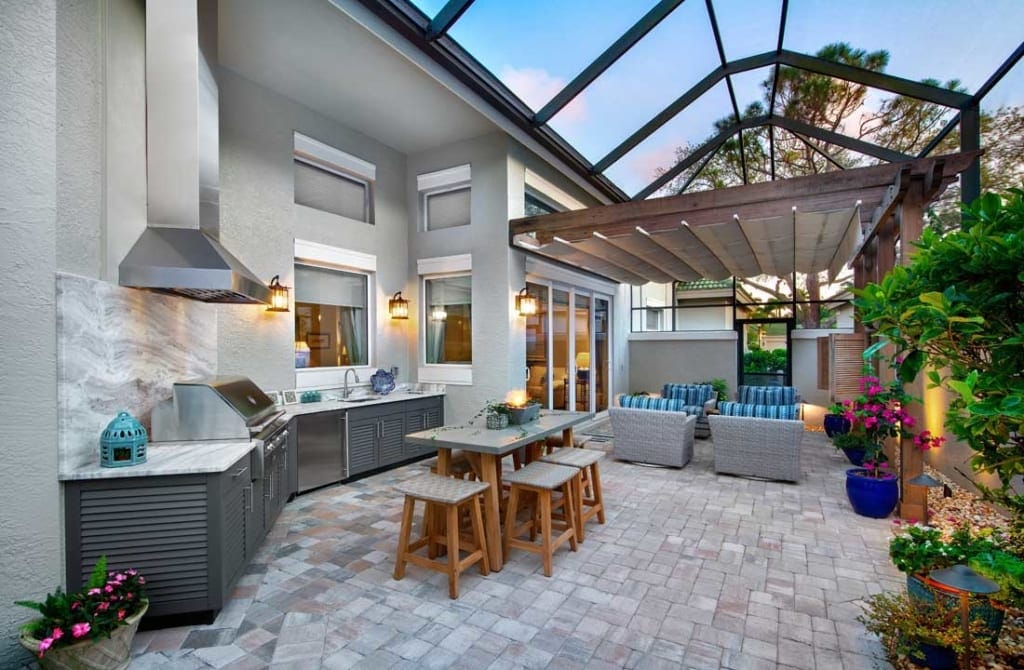
Spaces such as balconies, terraces, and courtyards act as transitional zones between indoors and outdoors.
Popular features:
- Sliding glass doors
- Indoor-outdoor kitchens
- Garden patios
These areas encourage interaction with nature while maintaining comfort.
10. Embrace Large-Scale Green Architecture
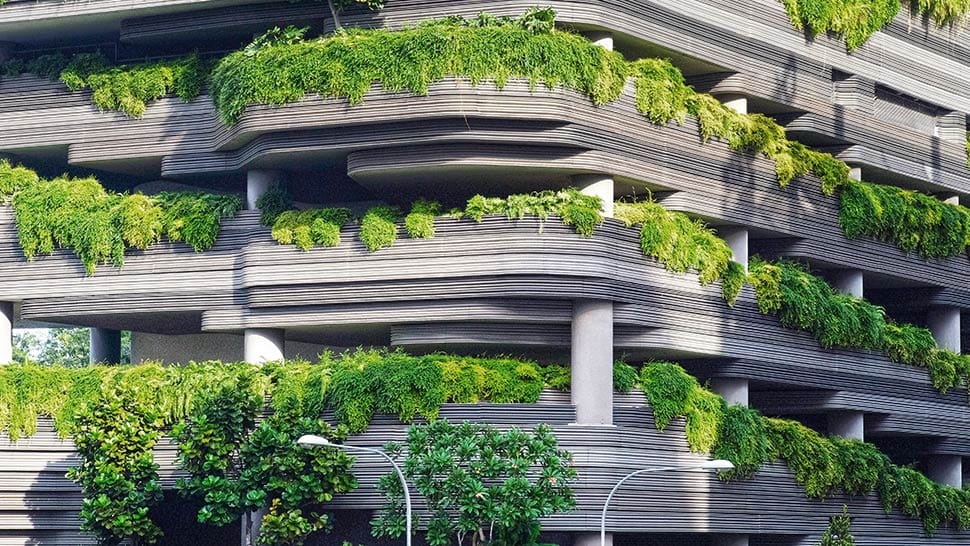
One of the most striking examples of biophilic design is large-scale integration of greenery into architecture.
A notable case is the Bosco Verticale in Milan, which features residential towers covered with thousands of plants and trees. This project enhances biodiversity and improves urban microclimates.
Emerging trend (2026):
- Vertical forests
- Rooftop ecosystems
- Urban farming integration
Conclusion
Biophilic design is more than a trend—it is a transformative approach that reshapes how we live, work, and interact with our surroundings. By intentionally integrating natural elements—light, greenery, water, textures, and organic forms—into built environments, we create spaces that support mental, emotional, and physical well-being.
The Top 10 Biophilic Design Ideas outlined in this guide demonstrate that even small interventions, such as adding indoor plants or improving natural light, can have a profound impact. At the same time, larger strategies, like vertical forests or rooftop ecosystems, illustrate how architecture itself can harmonize with nature on a grand scale.
In 2026, as urbanization continues and technology dominates daily life, reconnecting with nature is essential—not optional. Biophilic design bridges this gap, offering restorative, sustainable, and aesthetically compelling spaces that enhance productivity, reduce stress, and foster a deeper connection to the natural world. Ultimately, the most successful designs will be those that seamlessly bring nature into our everyday environments, making it an integral part of modern living.
Click here for trending HOME ideas you won’t want to miss!