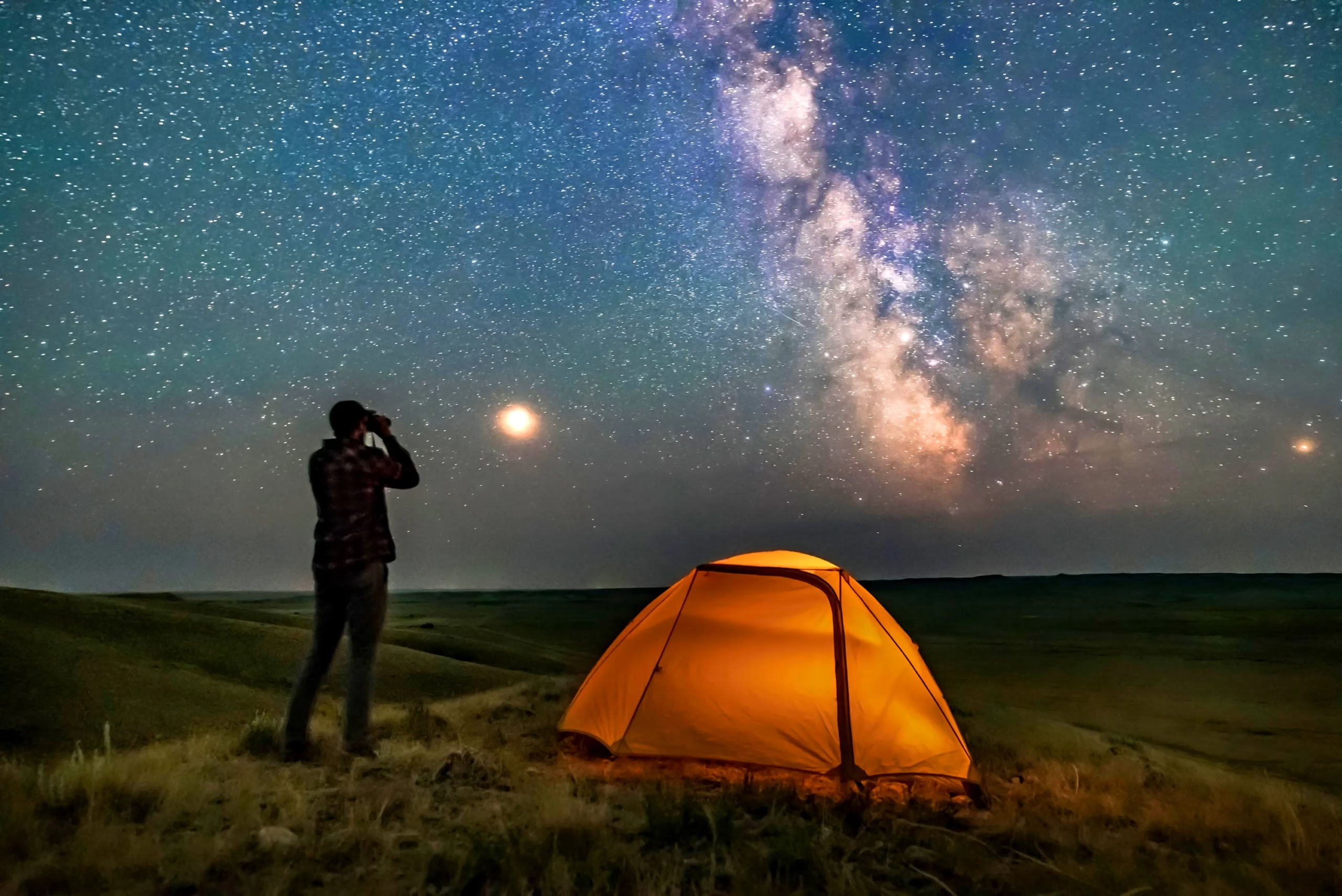
Travel has always been about discovering new cultures and landscapes. However, some journeys are inspired not by cities or landmarks but by extraordinary natural phenomena. Across the world, nature periodically stages breathtaking spectacles—from glowing oceans and migrating animals to dancing lights in the sky.
These events are not only visually stunning but also scientifically fascinating. Moreover, many of them occur only at certain times of the year, which means that travelers often plan entire trips around witnessing them.
In recent years, interest in nature-based tourism has increased significantly. In fact, many destinations now promote these events as major tourism attractions. At the same time, conservation efforts have been intensified to protect these fragile ecosystems.
This article explores the top 10 natural phenomena worth planning a trip around, including when and where they can be seen, how they occur, and why they continue to fascinate scientists and travelers alike.
1. The Northern Lights (Aurora Borealis)
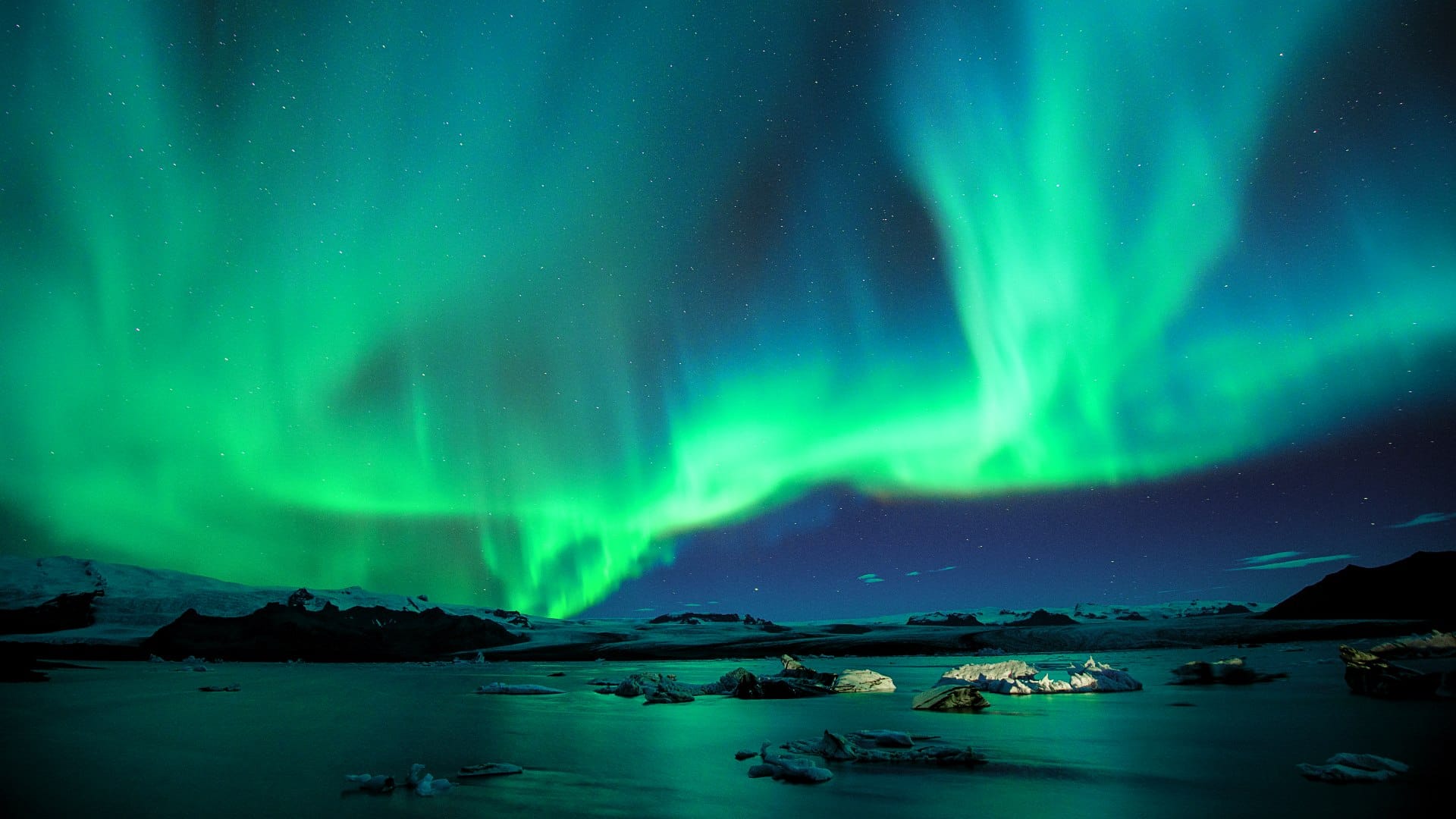
The Northern Lights, also known as the Aurora Borealis, are shimmering waves of green, purple, and red light that appear in the night sky near the Earth’s polar regions.
This phenomenon occurs when charged particles from the Sun collide with gases in the Earth’s atmosphere, creating bursts of light energy. These solar particles are carried toward Earth by the solar wind and become trapped by the planet’s magnetic field.
As a result, the lights are most commonly seen near the Arctic Circle, including Norway, Iceland, Canada, Finland, and Alaska.
The Northern Lights are often described as one of the most magical sights on Earth. Curtains of glowing color ripple across the sky, sometimes lasting minutes and sometimes hours.
Norway is considered one of the best places to view them because the lights are visible there almost every year between late September and late March.
The Aurora Borealis can be seen in several remarkable destinations around the world, particularly in high-latitude regions close to the Arctic Circle. Some of the best places to witness this natural phenomenon include Tromsø, Reykjavik, Fairbanks, Lapland, and the Yukon Territory. The best time to visit these locations to observe the Northern Lights is usually from September to March, when the nights are longer and darker, providing better viewing conditions. Interestingly, solar storms can intensify the aurora, making it visible much farther south than usual. In fact, historical records show that extreme solar activity has occasionally caused auroras to appear near the equator, which is very rare. The different colors of the aurora—such as green, red, and purple—depend on which gas molecules in Earth’s atmosphere are struck by solar particles, with oxygen and nitrogen producing the most common colors seen in the sky.
2. The Great Wildebeest Migration (Serengeti & Masai Mara)
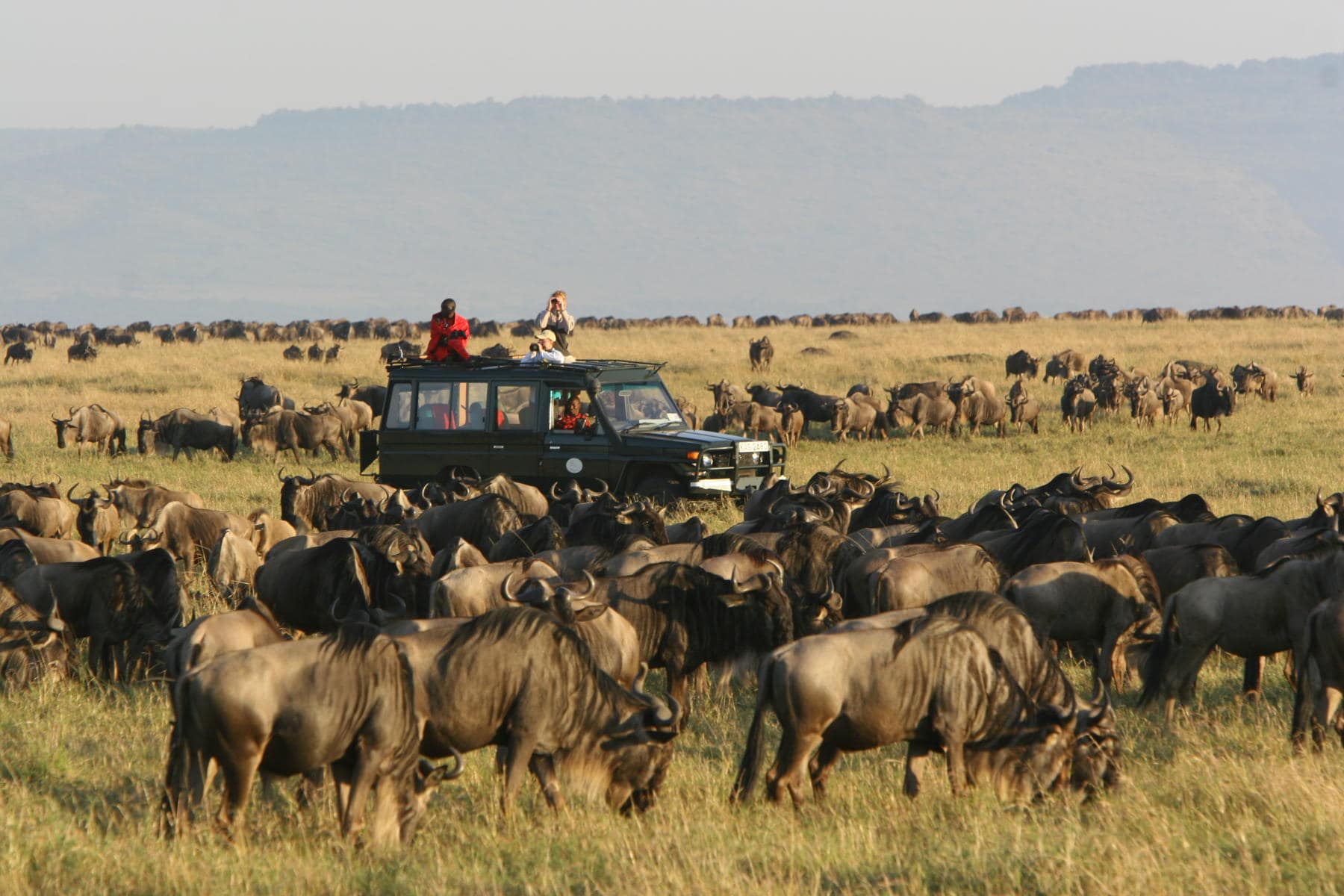
The Great Wildebeest Migration is the largest land animal migration on Earth. Every year, more than 1.5 million wildebeest, accompanied by hundreds of thousands of zebras and gazelles, move across the plains of Tanzania and Kenya.
The animals travel roughly 800–1000 kilometers annually, following rainfall patterns and fresh grasslands.
The Great Migration is one of the most dramatic wildlife spectacles on Earth and is truly worth traveling to witness. Few wildlife events rival the intensity and scale of this migration, where millions of animals move across the plains in search of fresh grazing land. During the journey, massive herds must cross dangerous, crocodile-filled rivers, creating breathtaking and suspenseful moments. At the same time, powerful predators such as Lion and Spotted Hyena wait nearby, ready to hunt. Because of these high-stakes encounters between prey and predator, the migration produces some of the most thrilling and unforgettable wildlife scenes in nature.
The Great Migration can be experienced at different stages throughout the year. The best time to visit is December to March for the calving season in the Serengeti, June to July when herds move across central Serengeti, and July to October for the dramatic river crossings in the Mara River. Interestingly, about 250,000 wildebeest and 30,000 zebras die each year during the migration due to predators and dangerous river crossings. This natural cycle has been happening for over a million years, although recent research shows that habitat fragmentation and fencing threaten some migration routes, highlighting the importance of conservation efforts.
3. The Monarch Butterfly Migration (Mexico)
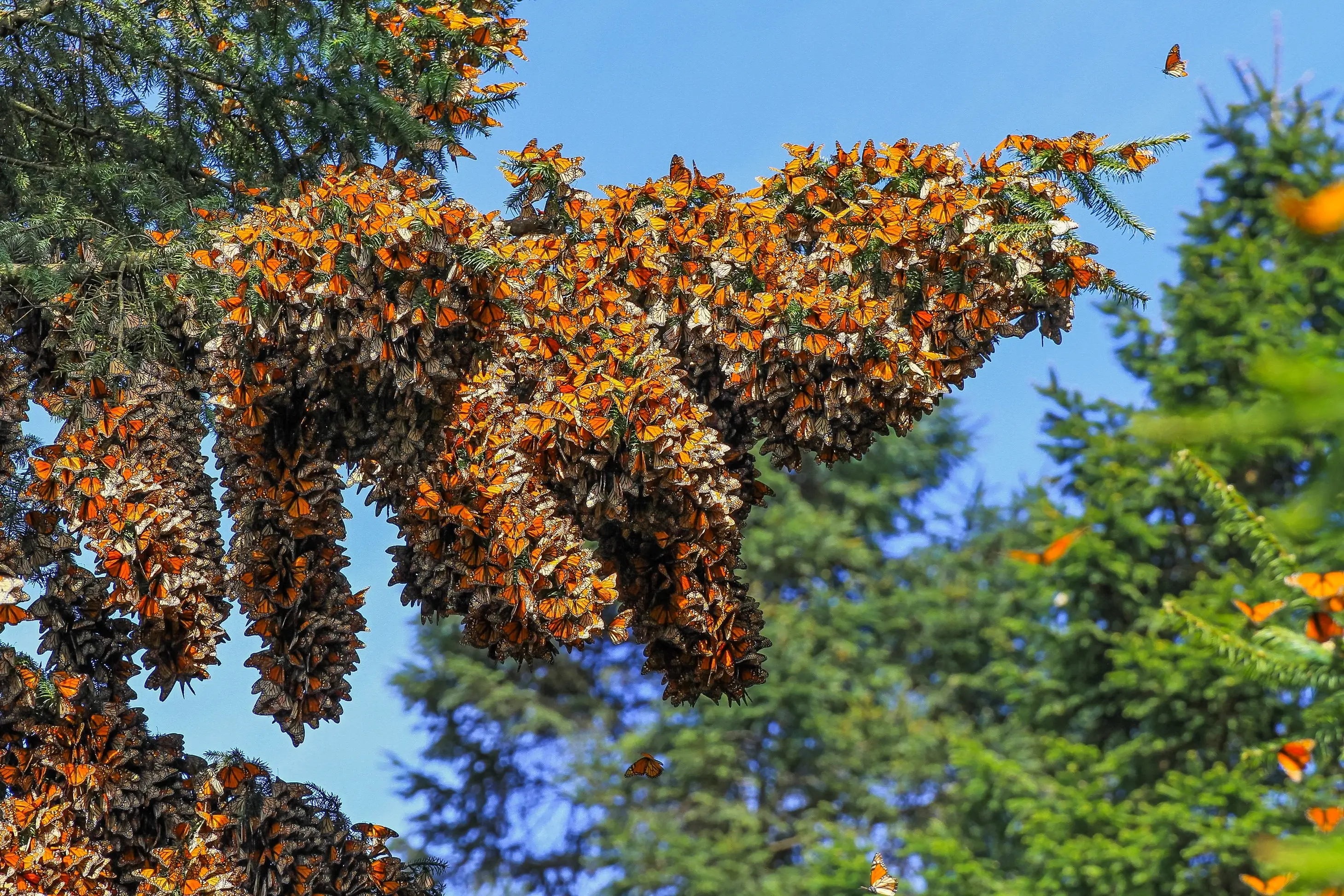
Every year, millions of monarch butterflies migrate from Canada and the United States to the forests of central Mexico.
This journey can span up to 2,800–3,000 miles, making it one of the longest insect migrations in the world.
When they arrive in Mexico’s fir forests, the butterflies cluster on trees so densely that the branches turn orange.
Visitors walking through the forests during migration season can witness millions of butterflies filling the sky like floating confetti.
The migration is so unique that the Monarch Butterfly Biosphere Reserve has been designated a UNESCO World Heritage Site.
The best time to see the migration of the Monarch Butterfly is from November to March, when they gather in the forests of central Mexico. Recent developments are encouraging, as the monarch population nearly doubled in 2024–2025, offering hope for the species after years of decline. Interestingly, monarch butterflies navigate using the sun’s position and their internal biological clocks, and the migration occurs across multiple generations, meaning no single butterfly completes the entire round trip.
4. Bioluminescent Beaches (Sea of Stars)
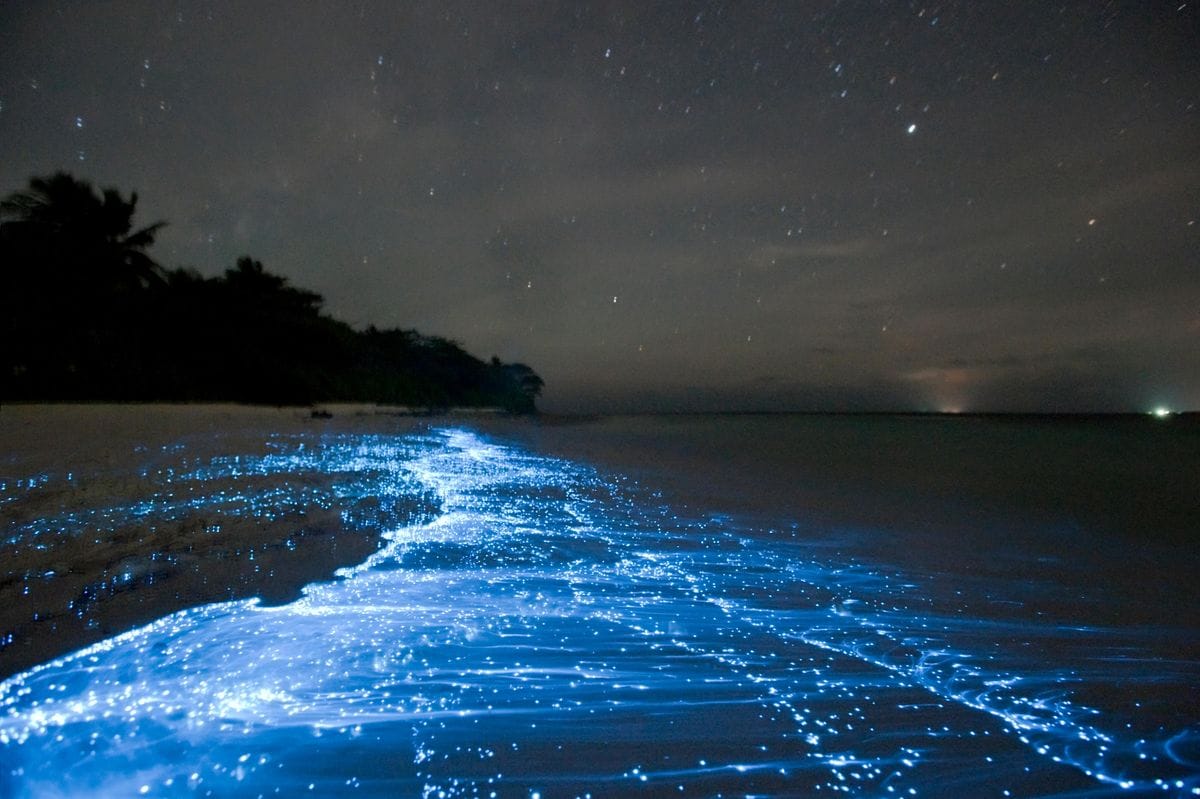
In certain coastal areas around the world, waves glow bright blue at night. This effect is caused by bioluminescent plankton, microscopic organisms that emit light when disturbed.
The chemical reaction responsible for the glow involves molecules called luciferin and luciferase, which produce light energy.
Walking along a beach where each step causes the water to sparkle like stars is an unforgettable experience.
Some of the best places to witness bioluminescence include the Maldives, Mosquito Bay, the Gippsland Lakes, and Toyama Bay. The best time to visit these locations is typically during the summer months with minimal moonlight, when the glowing effect in the water becomes more visible and creates a stunning natural display.
5. Coral Spawning (Australia)
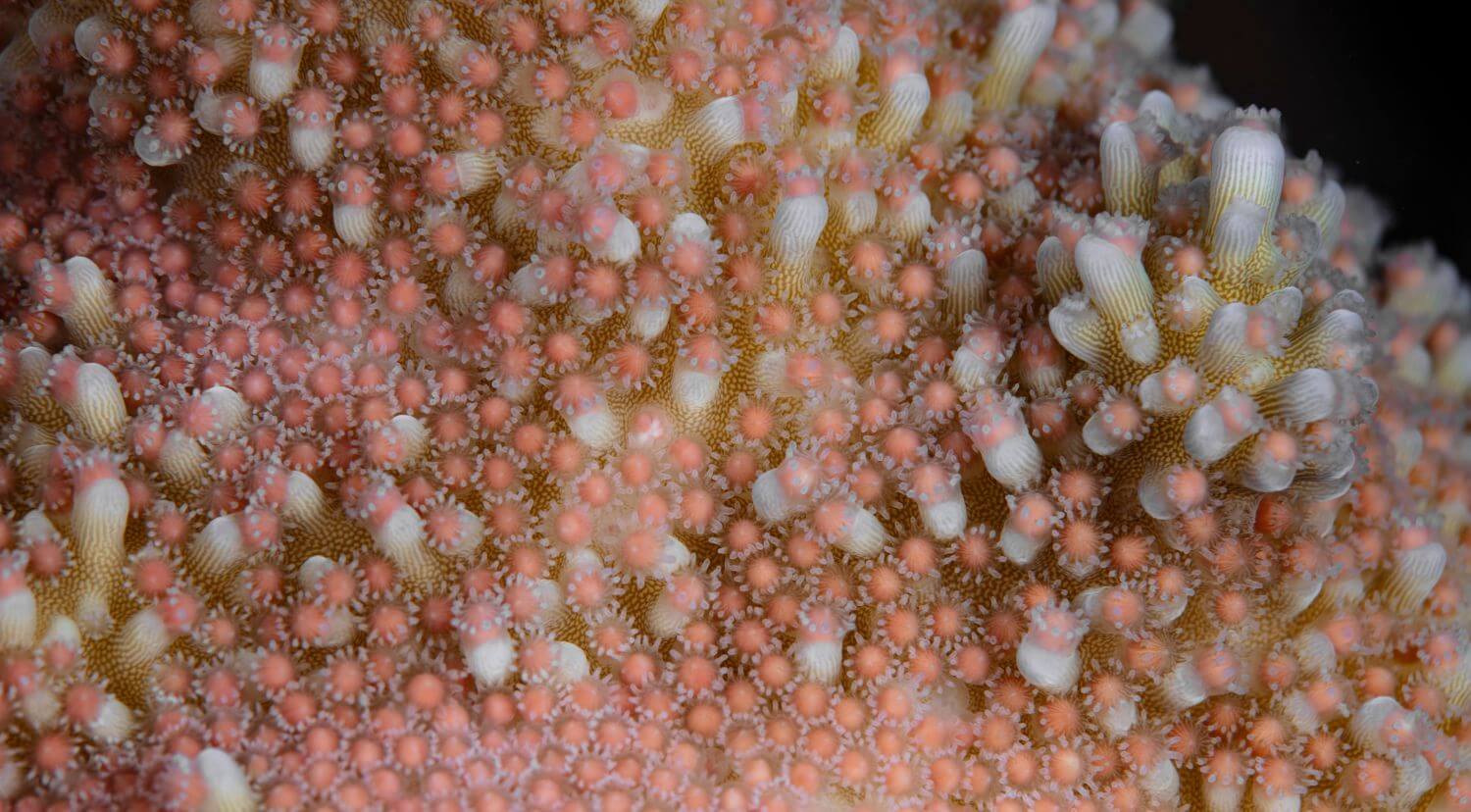
Once a year, coral reefs around the world release millions of tiny reproductive cells into the ocean in a synchronized event known as Coral Spawning. During this phenomenon, corals simultaneously release eggs and sperm into the water, creating what divers often describe as an underwater snowstorm of floating particles. This remarkable event usually occurs a few nights after a full moon, when water temperature, daylight length, and lunar cycles align to trigger the release. One of the most famous places to witness this spectacle is the Great Barrier Reef, the world’s largest coral reef system. Divers and marine researchers who observe coral spawning often say it is one of the most surreal and breathtaking underwater experiences, as the ocean fills with drifting clouds of coral gametes that help ensure the survival and growth of future reefs.
Usually occurs a few days after the full moon in autumn in Australia.
6. Desert Superblooms (Chile & California)
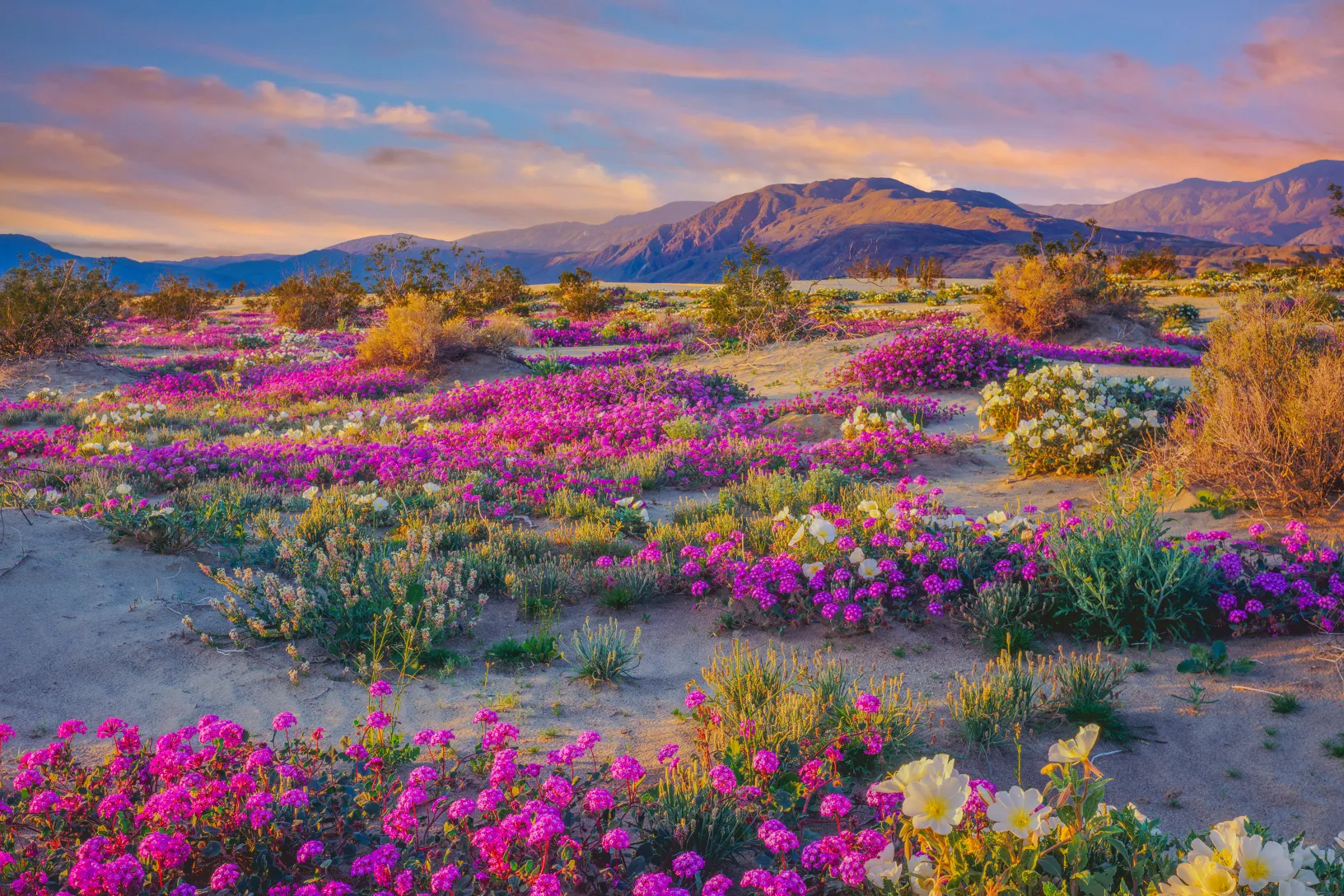
Deserts are typically seen as barren and dry landscapes, but after rare periods of heavy rainfall, millions of dormant seeds suddenly burst into bloom, covering the land with vibrant colors. This remarkable event is known as a Desert Superbloom, where vast fields of wildflowers appear almost overnight. Some of the most famous places where this occurs include the Atacama Desert, deserts in California, and Namaqualand. In Chile, the best time to visit is usually September to November, depending on rainfall levels, when the normally arid landscape transforms into a breathtaking sea of colorful flowers.
7. The Midnight Sun (Arctic Circle)
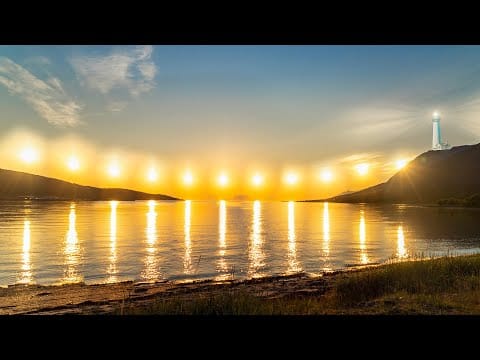
The Midnight Sun is one of the most surreal natural spectacles on Earth, occurring in regions above the Arctic Circle where the Sun remains visible even at midnight during the summer months. This happens because the Earth’s axis is tilted about 23.5 degrees, allowing the Sun to stay above the horizon for at least 24 continuous hours near the summer solstice in high-latitude regions. Travelers can experience this phenomenon in places such as northern Norway, Finland, Sweden, Iceland, Alaska, and parts of northern Canada.
The closer a destination is to the North Pole, the longer the midnight sun lasts—some Arctic areas experience weeks or even months of continuous daylight, while at the poles the Sun rises and sets only once each year. For travelers, the Midnight Sun transforms the Arctic summer into a magical landscape where golden sunlight illuminates mountains, glaciers, and fjords around the clock, allowing activities like hiking, kayaking, and sightseeing to continue long after traditional sunset hours. This extraordinary blend of science, scenery, and adventure makes the Midnight Sun one of the most unforgettable natural phenomena worth planning a trip around in 2026.
Some of the best places to experience the Midnight Sun are in high-latitude regions such as Norway, Iceland, Alaska, and parts of Northern Canada. The best time to visit these destinations is typically from May to July, when the Sun stays visible late into the night—or does not set at all—creating long, bright days that allow travelers to explore and enjoy outdoor activities around the clock.
8. Icebergs of Greenland
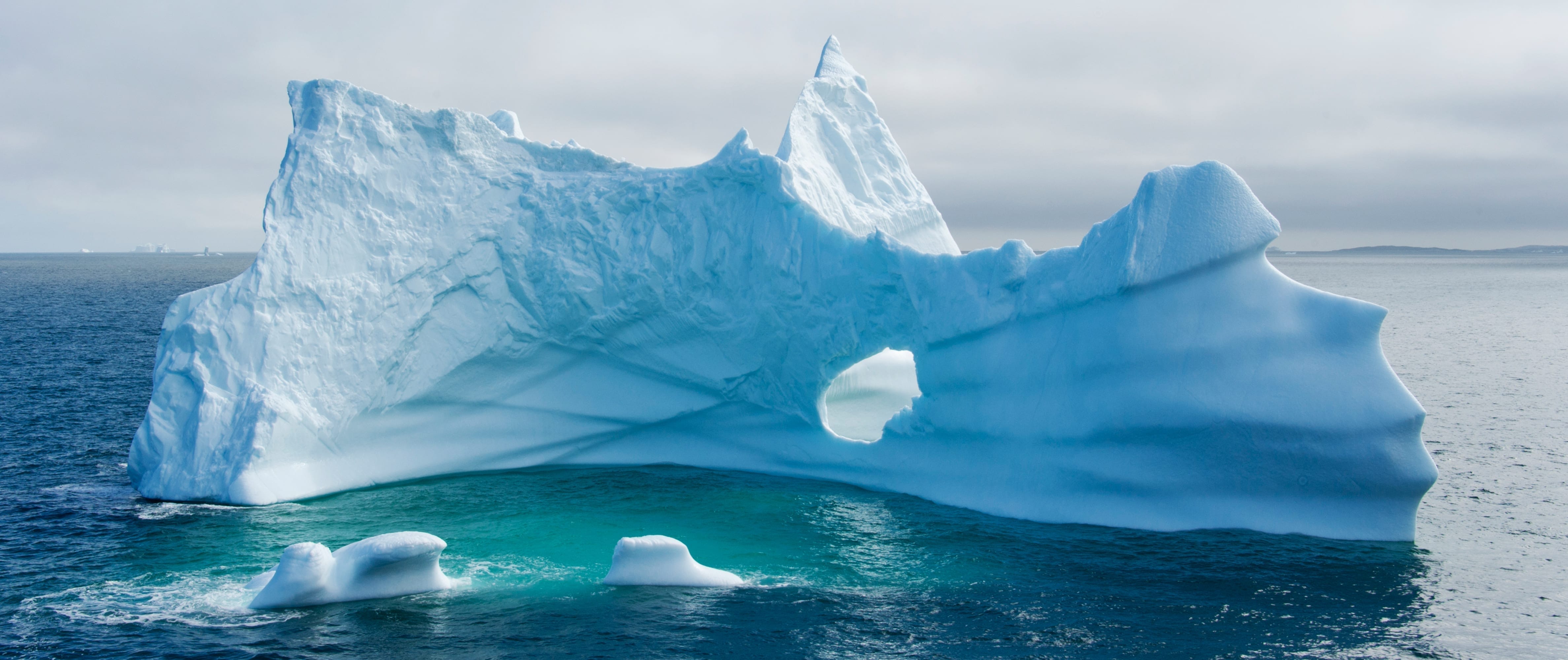
Greenland is home to some of the largest and most active glaciers on Earth, which regularly break apart in a dramatic process known as glacial calving, releasing enormous icebergs into the sea. One of the best places to witness this breathtaking spectacle is the Ilulissat Icefjord, a UNESCO World Heritage site fed by the fast-moving Sermeq Kujalleq Glacier—one of the most productive glaciers in the world. Here, massive chunks of ice detach from the glacier and drift slowly through Arctic waters, forming towering icebergs that resemble floating sculptures of blue and white ice. Travelers are drawn to the region not only for the dramatic sights and sounds of cracking glaciers but also for the chance to see icebergs glowing under Arctic sunlight. Visiting these natural wonders has recently become easier as Greenland continues to improve international access with the opening of new airport infrastructure, making this remote Arctic destination more reachable for adventure travelers.
9. Firefly Squid Glow (Japan)
One of Japan’s most mesmerizing natural spectacles is the Firefly Squid Glow in Toyama Bay, where millions of tiny squid called hotaruika illuminate the sea with a vivid electric-blue light. Each spring, these deep-sea creatures rise from the ocean depths to spawn near the surface, creating a surreal scene that makes the shoreline look like a field of underwater stars. Their glow comes from specialized light-producing organs that emit bioluminescence when exposed to oxygen, turning the dark waters into a shimmering blue display before dawn. The phenomenon is most famously observed near the coastal city of Namerikawa, where visitors can join early-morning boat tours to watch fishermen pull glowing squid from the sea while the bay sparkles in the darkness. This rare event happens only for a short period each year, making it a must-see natural wonder for travelers. Best time to visit: late March to early June, with April usually being the peak month, when the highest number of firefly squid gather in the bay and the glowing spectacle is at its most dramatic.
10. Horizontal Waterfalls (Australia)
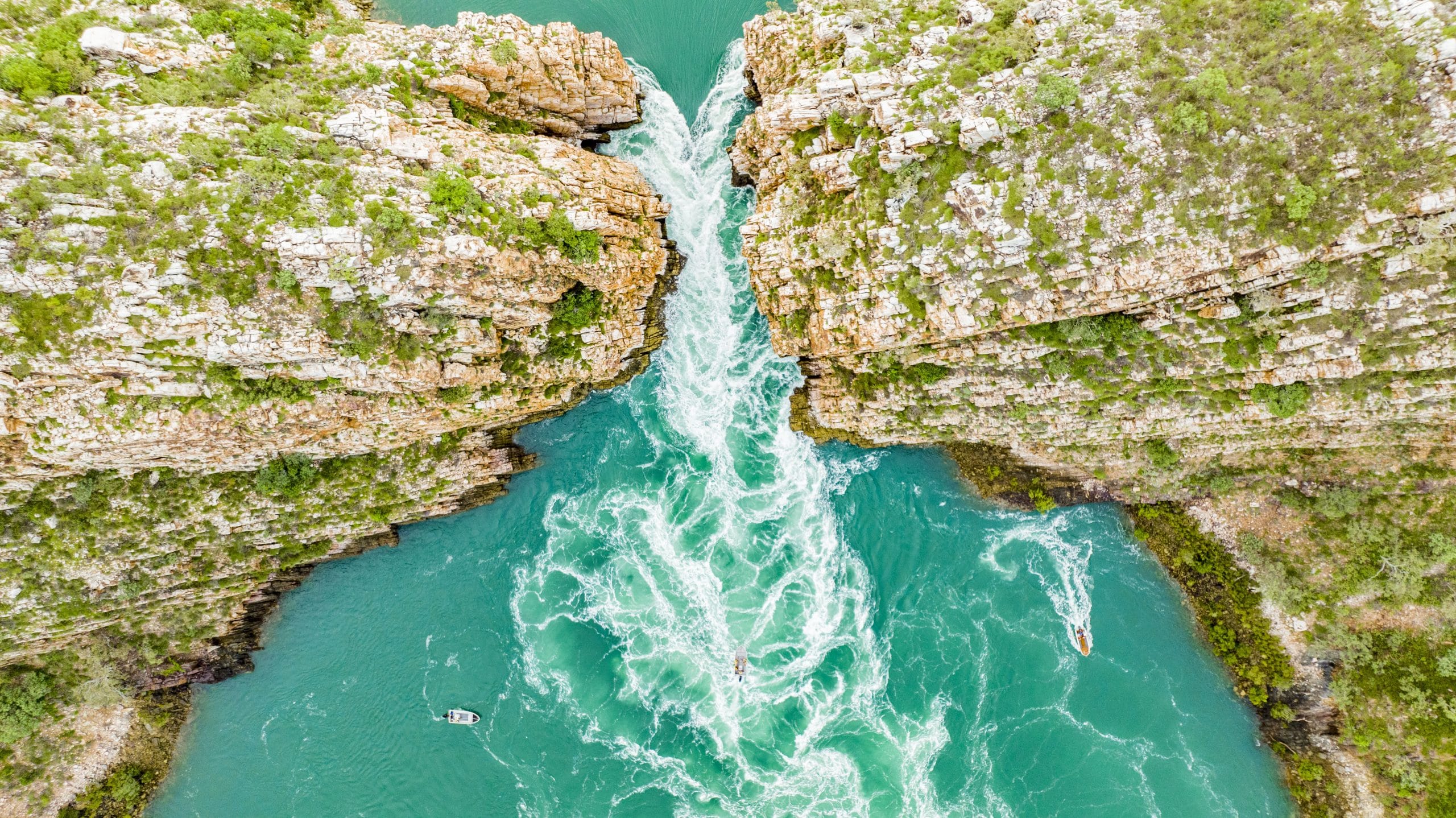
In Talbot Bay in the Kimberley region of Western Australia, a rare natural spectacle called the Horizontal Falls creates the illusion of waterfalls flowing sideways. Instead of water falling vertically, powerful ocean tides push huge volumes of seawater through two narrow gorges in the McLarty Range, forcing the water to surge rapidly from one bay to another. Because the tides in this area can rise and fall by as much as 10 meters, water builds up on one side of the gaps faster than it can pass through them, producing a dramatic horizontal cascade that can reach several meters in height. As the tide changes, the direction of the rushing water also reverses, making the “waterfall” flow the opposite way later in the day. This unique tidal phenomenon is considered one of the most unusual natural wonders in the world and can only be reached by boat or seaplane. The best time to visit is during the dry season from May to September, when weather conditions are more stable and tours commonly operate, while the most dramatic views occur during strong tidal changes throughout the day.
Final Thoughts
Nature has an extraordinary ability to create events that are both scientifically fascinating and visually breathtaking. From glowing beaches and migrating butterflies to dancing northern lights, these phenomena remind travelers how powerful and interconnected our planet truly is.
Planning a trip around one of these spectacles can transform an ordinary vacation into a once-in-a-lifetime adventure.
However, as interest in these experiences continues to grow, protecting these fragile ecosystems will be more important than ever.
By traveling responsibly and supporting conservation initiatives, travelers can help ensure that these natural wonders continue to inspire future generations.
Don’t miss out—click here to see more trending travel news and breathtaking places to visit.