Introduction
Ultra-processed foods have become one of the most debated issues in modern nutrition. Over the past decade, scientists and public-health experts have increasingly warned that these products pose a serious threat to global health. Large-scale research involving millions of people has linked diets high in ultra-processed foods (UPFs) to chronic conditions such as obesity, type 2 diabetes, cardiovascular disease, and even premature mortality. As a result, many health organizations are now calling for stronger policies to regulate their marketing and consumption.
These foods now dominate supermarket shelves and fast-food menus worldwide, with more than half of daily calories in many industrialized countries coming from ultra-processed products. According to the NOVA food classification system, UPFs are industrial formulations made mostly from refined ingredients and additives rarely used in home cooking, including artificial flavorings, emulsifiers, preservatives, colorants, and stabilizers. Common examples include soft drinks, instant noodles, packaged snacks, processed meats, and frozen ready meals—products designed for convenience and long shelf life but often high in sugar, sodium, and unhealthy fats while offering little nutritional value.
1. Obesity and Excess Weight Gain

The rise of ultra-processed food consumption has contributed to what many experts describe as a global obesity epidemic. These foods are typically energy-dense but nutritionally poor, which encourages excessive calorie intake without providing adequate nutrients. As a result, numerous studies have shown that individuals who regularly consume high amounts of ultra-processed foods are significantly more likely to become overweight or obese, increasing their risk of long-term health complications.
Why UPFs promote weight gain
Several factors contribute:
- High sugar and fat content
- Low fiber levels
- Rapid digestion and blood sugar spikes
- Highly palatable flavor combinations
In controlled experiments, participants who consumed ultra-processed meals ate more calories compared with those eating minimally processed foods.
Public health implications
Obesity is associated with numerous diseases, including heart disease, diabetes, and certain cancers. Therefore, reducing ultra-processed food consumption is considered a key strategy in combating the global obesity crisis.
2. Cardiovascular Disease
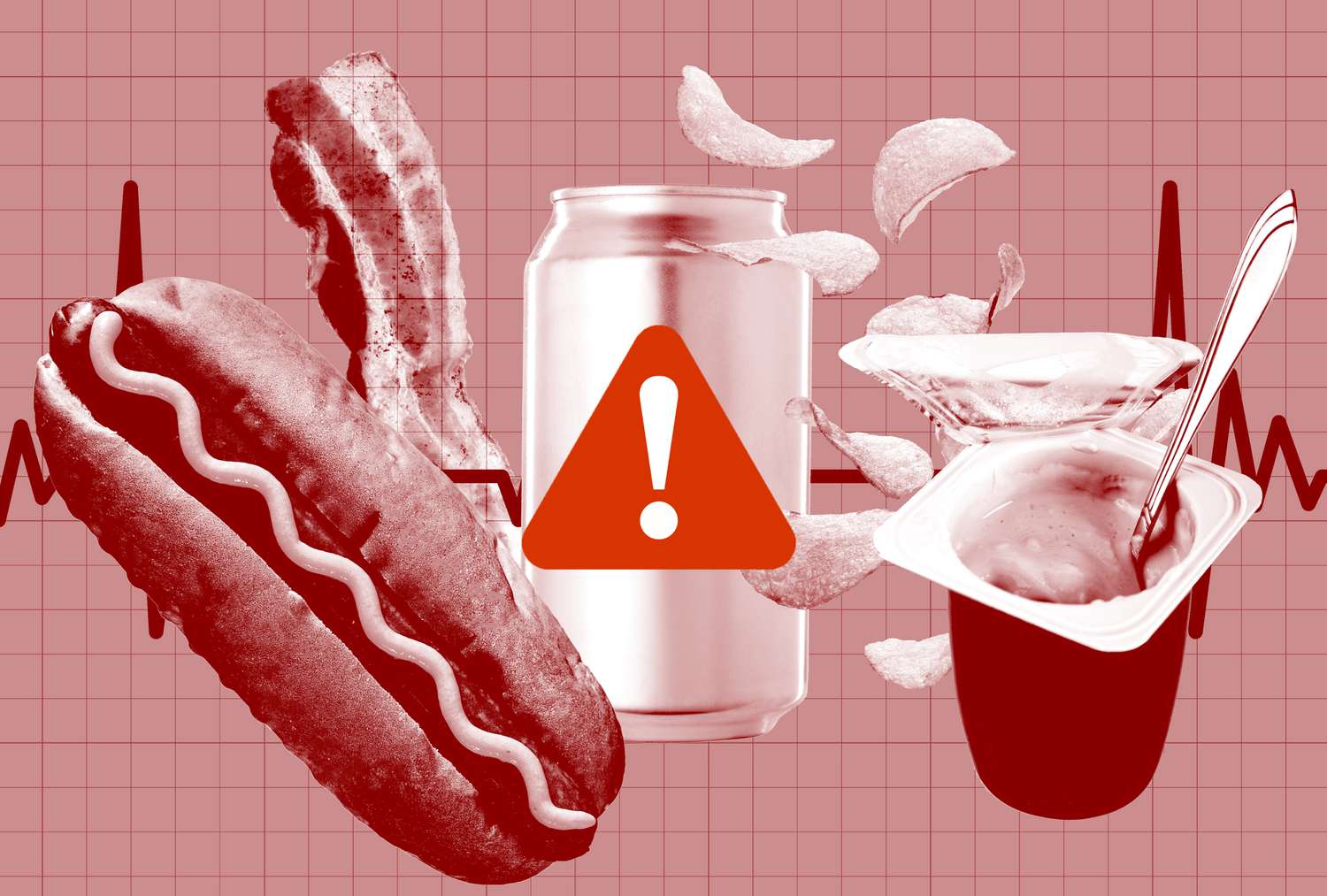
Heart disease remains the leading cause of death worldwide, and growing evidence suggests that ultra-processed foods play a significant role.
Large epidemiological studies involving millions of adults have shown strong associations between high UPF intake and cardiovascular problems.
For example:
- Each additional 100 grams of ultra-processed food per day increases hypertension risk by about 14.5%.
- Cardiovascular event risk increases by roughly 5.9%.
Contributing factors
Ultra-processed foods often contain:
- High sodium levels
- Trans fats
- Refined carbohydrates
- Artificial additives
These ingredients can raise blood pressure, increase cholesterol levels, and damage blood vessels.
Long-term effects
Over time, these changes may lead to:
- Coronary artery disease
- Stroke
- Heart attacks
Consequently, cardiologists increasingly recommend minimizing ultra-processed foods as part of heart-healthy diets.
3. Type 2 Diabetes
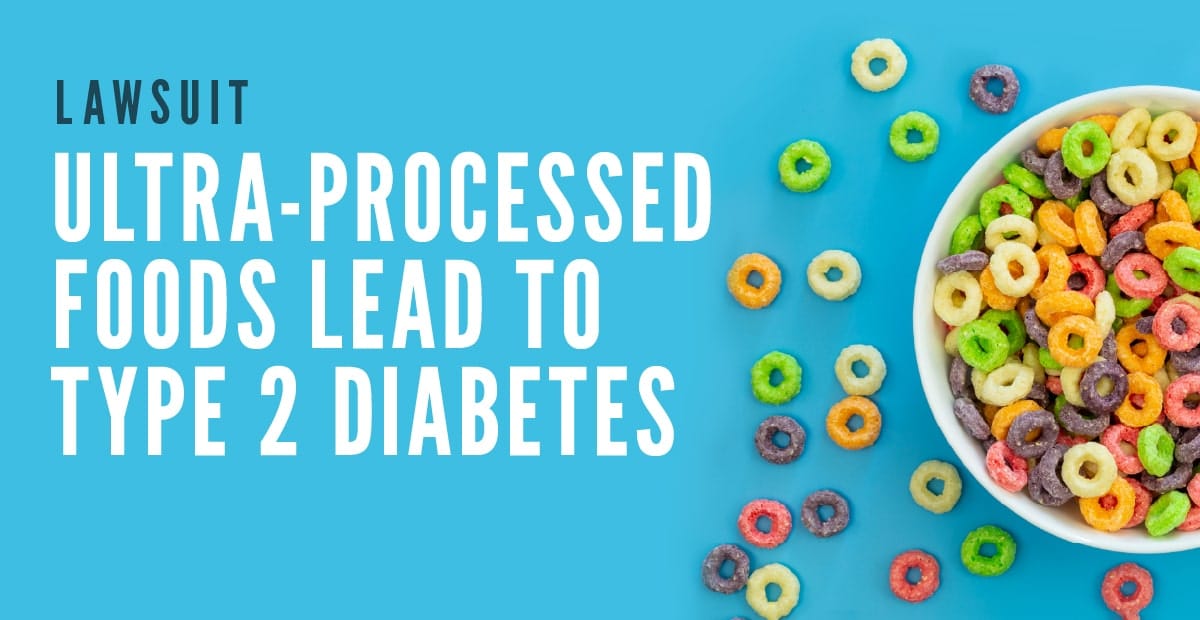
Type 2 diabetes is closely linked to diet, and ultra-processed foods appear to be a major contributor.
Studies indicate that higher consumption of UPFs is associated with increased risk of metabolic disorders, including diabetes and metabolic syndrome.
Mechanisms behind diabetes risk
Ultra-processed foods affect glucose metabolism through several pathways:
- Rapid absorption of refined carbohydrates
- Chronic inflammation
- Insulin resistance
- Weight gain
Sugary beverages and processed snacks can cause repeated spikes in blood sugar levels, forcing the pancreas to produce large amounts of insulin.
Over time, this can lead to insulin resistance and eventually type 2 diabetes.
4. Increased Risk of Cancer
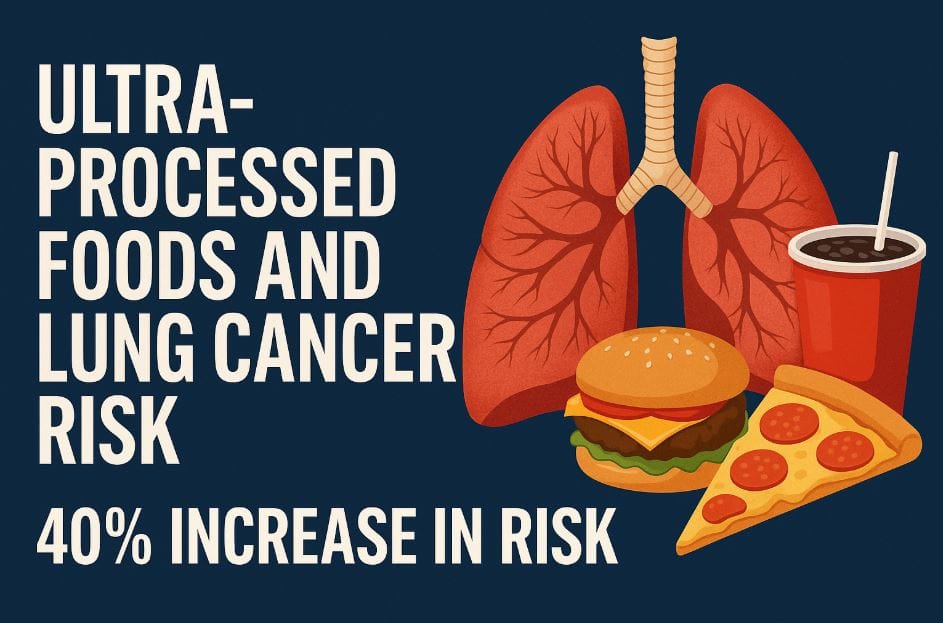
While the relationship between diet and cancer is complex, several studies have linked ultra-processed food consumption to certain cancers.
Research indicates that increased intake of these foods is associated with a measurable rise in cancer risk.
Possible explanations
Scientists suggest several mechanisms:
- Carcinogenic compounds formed during processing
- Food additives and preservatives
- Excess sugar and obesity
- Chronic inflammation
Certain processed meats, for example, contain nitrites and nitrates that may form carcinogenic compounds during digestion.
Although more research is needed, experts recommend limiting ultra-processed foods as part of cancer-prevention strategies.
5. Digestive Disorders

The digestive system may also be affected by ultra-processed diets.
Studies show that each additional 100 grams of ultra-processed food consumed daily is associated with nearly a 19.5% higher risk of digestive diseases.
Gut microbiome disruption
Many ultra-processed foods contain emulsifiers and artificial additives that can alter gut bacteria.
A healthy gut microbiome is essential for:
- Nutrient absorption
- Immune function
- Digestive health
Disruptions in gut bacteria have been linked to conditions such as:
- Irritable bowel syndrome (IBS)
- Inflammatory bowel disease (IBD)
- Leaky gut syndrome
Additionally, the low fiber content of many processed foods deprives beneficial bacteria of the nutrients they require to thrive.
6. Chronic Inflammation

Inflammation is the body’s natural response to injury or infection, but chronic inflammation can contribute to many diseases.
Nutrition experts warn that diets high in ultra-processed foods may increase inflammatory markers in the body.
Why processed foods cause inflammation
These foods often contain:
- Refined sugars
- Saturated fats
- Omega-6 vegetable oils
- Artificial additives
Excessive consumption of these ingredients can disrupt the body’s balance of fatty acids and promote inflammatory pathways.
Diseases linked to inflammation
Chronic inflammation has been associated with:
- Heart disease
- Diabetes
- Arthritis
- Alzheimer’s disease
Therefore, reducing ultra-processed food intake may help lower long-term inflammatory risk.
7. Mental Health Disorders

Recent research has highlighted a surprising connection between ultra-processed diets and mental health.
High consumption of ultra-processed foods has been linked to:
- Depression
- Anxiety
- Mood disorders
Possible explanations
Scientists believe several mechanisms may be involved:
- Inflammation affecting brain function
- Disruption of gut-brain communication
- Nutrient deficiencies
- Blood sugar fluctuations
The gut microbiome, in particular, plays a crucial role in regulating neurotransmitters such as serotonin.
When ultra-processed foods disrupt gut bacteria, mental health may also be affected.
8. Cognitive Decline and Brain Health Risks
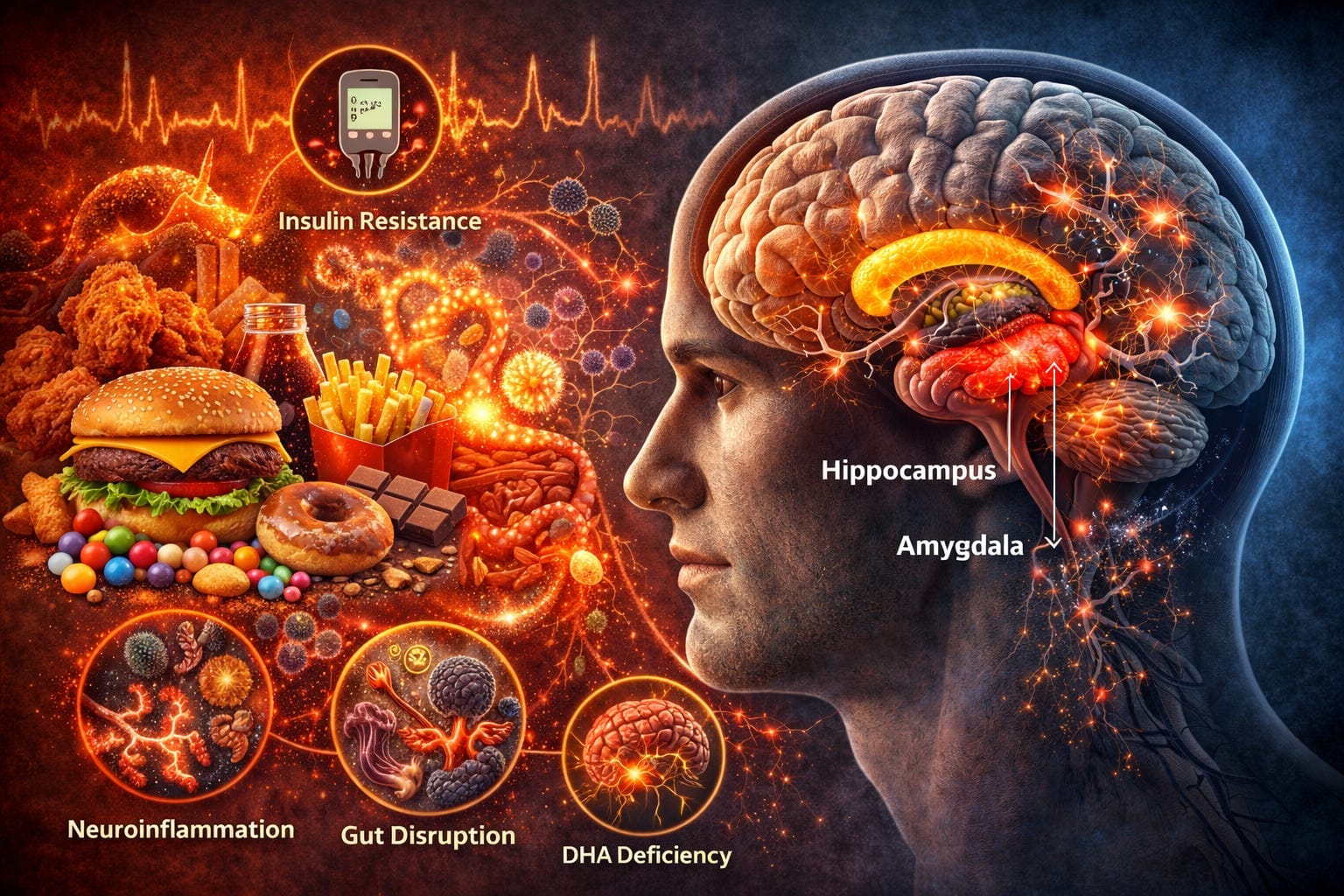
Emerging research suggests that ultra-processed foods may also affect brain health.
Individuals who consume high levels of these foods may have increased risk of neurodegenerative diseases such as dementia and Parkinson’s disease.
Possible mechanisms
Potential contributors include:
- Oxidative stress
- Inflammation in brain tissue
- Vascular damage
- Nutritional deficiencies
Diets rich in whole foods—such as the Mediterranean diet—have been associated with improved cognitive function and lower dementia risk.
9. Early Mortality
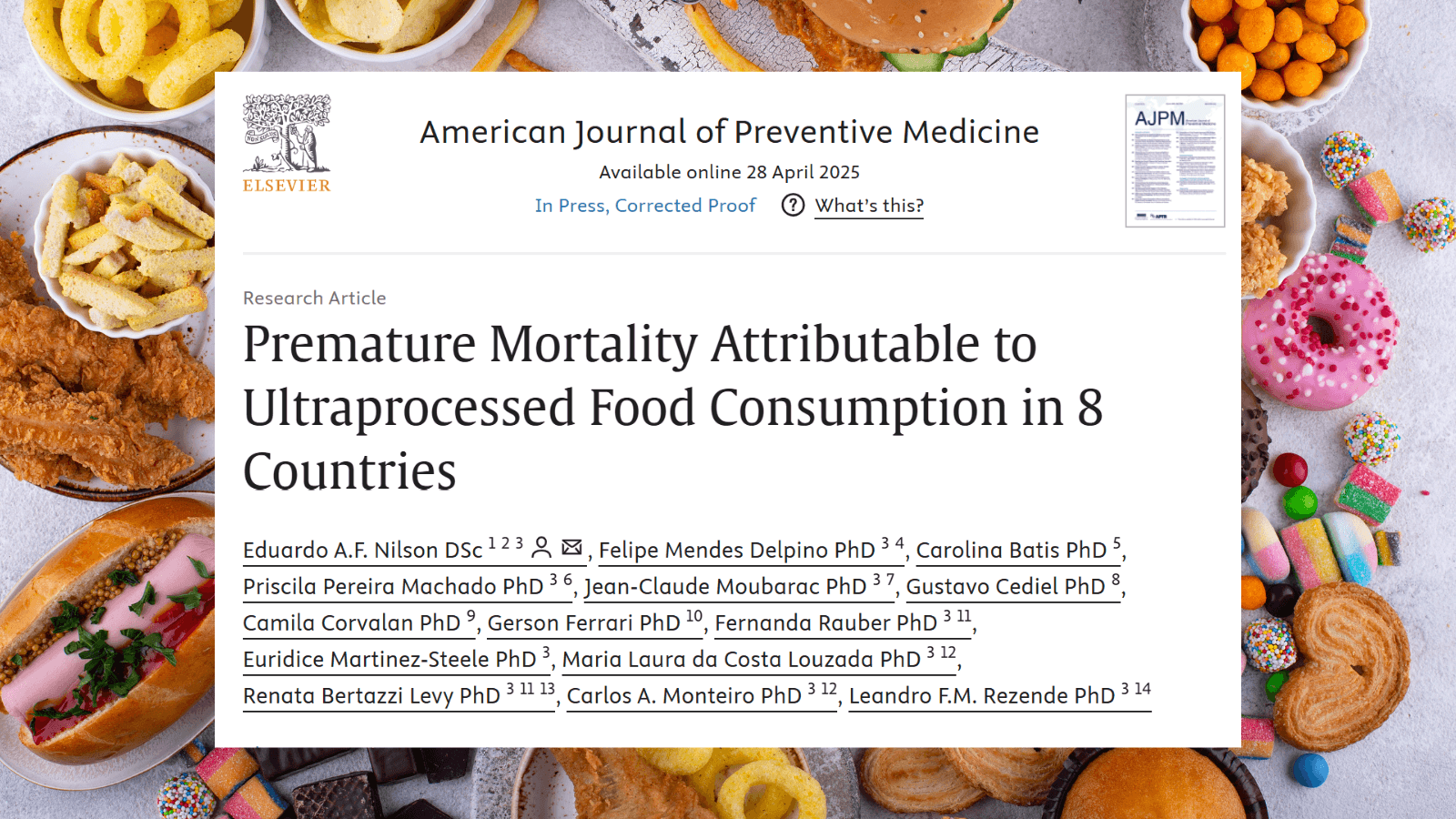
Perhaps the most alarming finding from recent studies is the link between ultra-processed foods and premature death.
International research indicates that each 10% increase in ultra-processed food consumption raises the risk of early death by approximately 3%.
In some countries, ultra-processed foods may contribute to one in seven premature deaths.
Why mortality risk increases
This increased risk is likely due to the cumulative effects of multiple diseases associated with ultra-processed diets:
- Cardiovascular disease
- Diabetes
- Cancer
- Obesity
Reducing consumption could therefore significantly improve population health outcomes.
10. Addiction-Like Eating Behaviors

Ultra-processed foods are often designed to be extremely appealing.
Food manufacturers carefully engineer products to achieve a specific balance of sugar, fat, and salt known as the “bliss point.”
Why these foods are hard to resist
These formulations stimulate the brain’s reward system, similar to addictive substances.
As a result:
- Cravings increase
- Satiety signals weaken
- Overeating becomes more likely
Some researchers argue that ultra-processed foods should be viewed through the lens of behavioral addiction, especially among children and adolescents.
Conclusion
The growing body of scientific evidence suggests that ultra-processed foods represent one of the most significant dietary health threats of the modern era. As these industrially manufactured products continue to dominate global food systems, their long-term impact on public health is becoming increasingly clear. Diets high in ultra-processed foods have been consistently linked to obesity, cardiovascular disease, type 2 diabetes, digestive disorders, and even certain cancers. Moreover, emerging research indicates that mental health issues, cognitive decline, and increased risk of premature death may also be associated with excessive consumption of these heavily processed products. Because these foods are typically high in sugar, salt, unhealthy fats, and artificial additives while lacking essential nutrients and fiber, their regular intake can disrupt metabolic processes and contribute to chronic disease development over time.
Nevertheless, improving dietary habits does not necessarily require drastic lifestyle changes. By gradually prioritizing whole and minimally processed foods—such as fruits, vegetables, whole grains, legumes, and lean proteins—individuals can significantly reduce exposure to the health risks associated with ultra-processed diets. At the same time, increased public awareness, clearer food labeling, and responsible food industry practices may help guide consumers toward healthier choices. Ultimately, a balanced diet built around nutrient-dense, natural ingredients remains one of the most effective strategies for promoting long-term health, preventing chronic disease, and supporting overall well-being in an increasingly processed food environment.
Stay informed—click here for more of today’s trending HEALTH stories.