Introduction
Lighting in 2026 will be defined by innovation, emotion, sustainability, and design. Across global interiors and architectural projects, lighting has shifted from purely functional to immersive and expressive — driven by technological advances, cultural shifts around home comfort, and evolving designer priorities. This article explores the 10 Lighting Trends for 2026: Ultimate Stunning Luminance, backed by current developments, expert insights, and real innovation happening now.
1. Smart & Matter-Integrated Lighting Systems
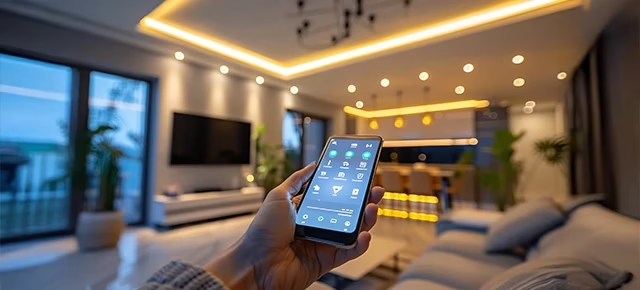
A key trend shaping the lighting landscape in 2026 is smart integration. At CES 2026, IKEA announced smart updates to its Varmblixt lighting series, which now supports Matter — a standard enabling cross-platform smart home control through apps and remotes. These lamps offer programmable color and brightness options that reflect a broader movement toward connected lighting experiences.
This matters because modern lighting systems are now designed to give users greater control and flexibility through mobile apps and centralized smart hubs, allowing light color and intensity to be adjusted with ease. As a result, usability is enhanced while energy consumption is reduced through more efficient and automated usage. In addition, integration with the Matter standard ensures broader compatibility across devices and ecosystems, creating a more seamless and future-proof smart home lighting experience.
IKEA’s updated Varmblixt lamps, scheduled to launch in April 2026, are designed to deliver up to 40 color options alongside seamless smart home control. This update allows users to easily customize lighting moods while integrating the lamps smoothly into connected home systems, reinforcing IKEA’s move toward more flexible and user-friendly smart lighting solutions.
2. Warm & Soft Illumination Takes Precedence
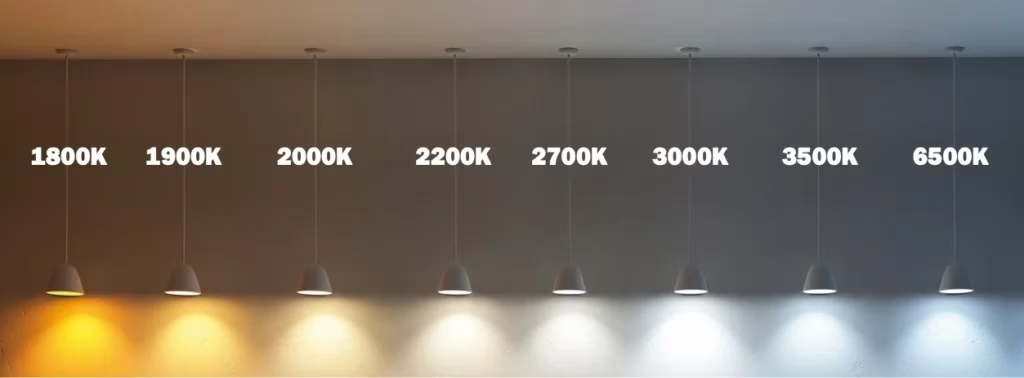
The trend toward calmer, warmer lighting continues to replace harsh, cool light. Designers are favoring light temperatures between 2700K and 3000K (warm white), promoting relaxed environments that support comfort and wellbeing.
Within warm lighting trends, frosted glass and fabric shades are increasingly used to soften light dispersion and create a more inviting atmosphere. At the same time, layered lighting strategies that combine ambient, accent, and task lighting are being adopted to enhance mood and add depth to interior spaces. As a result, warm lighting is perceived as more comfortable, as it reduces eye strain and supports a relaxed and visually balanced environment.
Using targeted keywords such as “warm lighting for home,” “soft LED lighting trends 2026,” and “layered home lighting” can significantly boost online visibility by aligning content with common search queries. When these phrases are naturally integrated into headings and body text, they help improve search engine rankings while making the content more relevant and discoverable to readers interested in current lighting trends.
3. Statement & Sculptural Fixtures
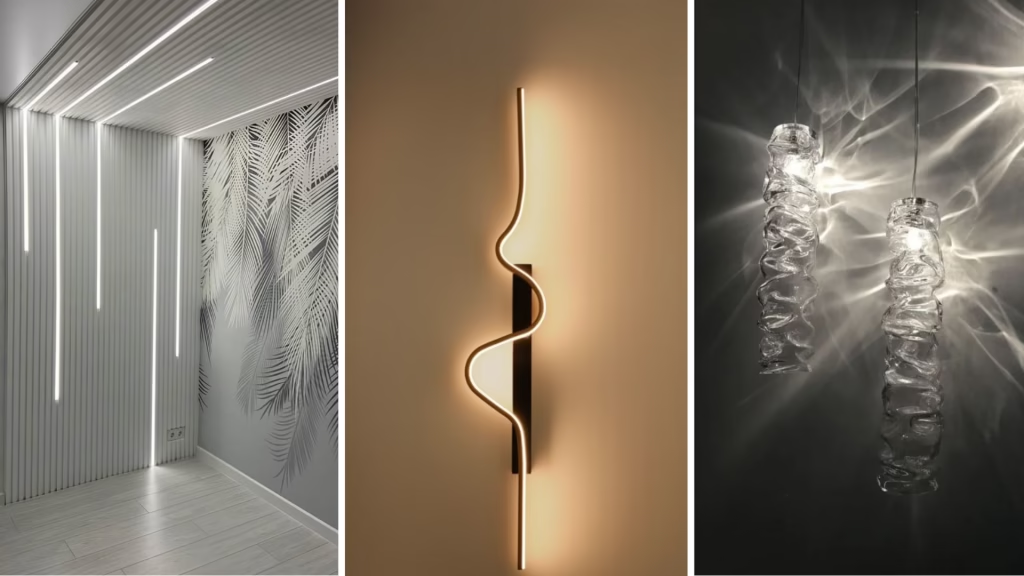
Lighting is increasingly viewed as art, not just illumination. Sculptural silhouettes, oversized pendants, and avant-garde forms are dominating interiors as functional focal points.
Key characteristics of this lighting trend include the use of organic curves and asymmetrical shapes that move away from rigid, conventional forms. Chandeliers and clustered fixtures are being designed to resemble sculptural artworks, allowing lighting to function as a visual centerpiece rather than a background element. As a result, these statement pieces are able to transform ordinary rooms into curated gallery-like spaces with strong artistic identity.
Lighting plays a crucial role in defining spatial hierarchy, particularly within open-plan interiors where visual boundaries are often minimal. By strategically anchoring key areas and highlighting architectural features, lighting is able to create structure, guide movement, and enhance the overall balance and functionality of the space.
4. Hidden & Built-In Architectural Lighting
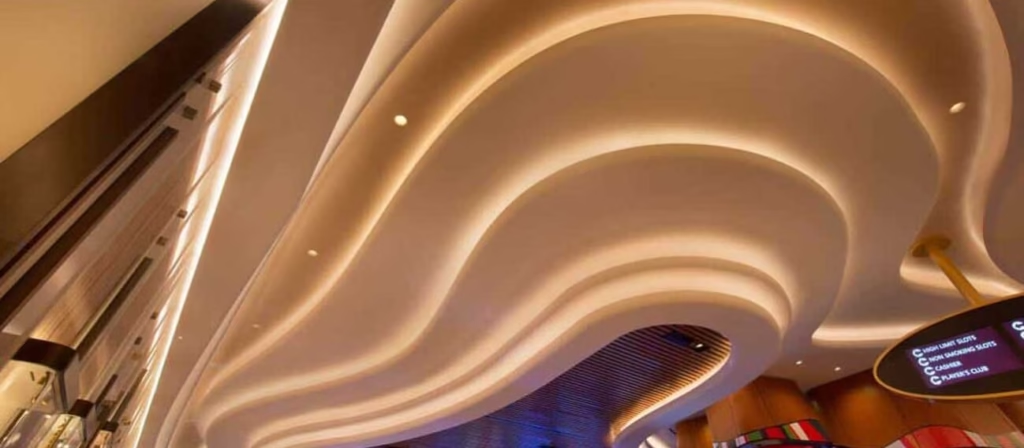
Architectural lighting is evolving beyond recessed ceiling lights. Designers are embedding LEDs into wall panels, coves, and furniture elements to create seamless illumination integrated with the structure itself.
These applications include the use of backlit translucent materials such as marble and acrylic, which allow light to pass through surfaces in a subtle and refined way. In addition, glowing architectural features are being incorporated to serve both functional and decorative purposes, acting as design accents within the space. Integrated light sculpture walls are also gaining popularity, as they can shift in appearance from day to night, adding depth, atmosphere, and visual interest to interiors.
This approach emphasizes atmosphere over overt fixtures, creating subtle, mood-enhancing effects.
5. Mixed Materials & Textural Richness
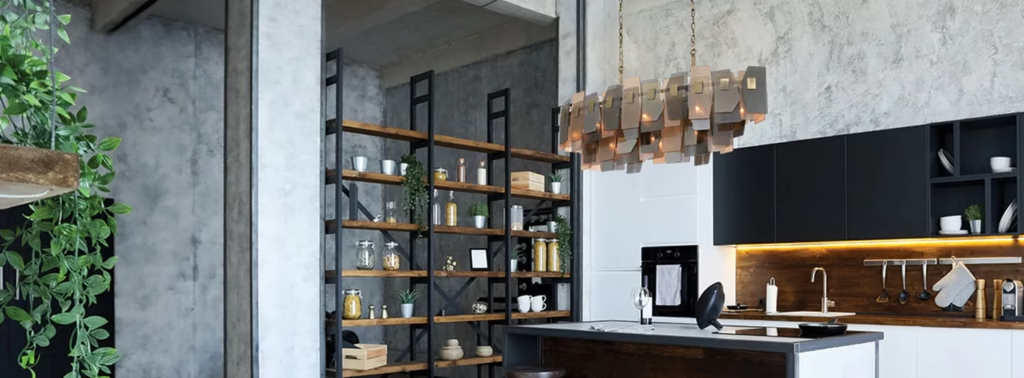
2026 lighting favors material diversity — combining metal, wood, stone, leather, and woven textiles in a single fixture. Designers increasingly pair traditional materials with innovative finishes for layered visual impact.
This trend is gaining momentum because mixed materials reflect a renewed appreciation for craftsmanship and individuality in design. At the same time, these combinations align with tactile design sensibilities that prioritize warmth, texture, and authenticity within interior spaces. As a result, lighting fixtures are transformed into conversation pieces that seamlessly bridge contemporary, rustic, and artisanal styles, adding character and visual interest to a wide range of interiors.
Materials to watch in this lighting trend include marble globe shades, which offer a refined and timeless aesthetic, as well as leather-wrapped frames that introduce texture and a sense of craftsmanship. Brushed bronze finishes continue to gain popularity for their warm and understated elegance, while mixed metal pairings are being embraced to add contrast, depth, and a more curated look to modern lighting designs.
6. Human-Centric, Wellness-Driven Lighting
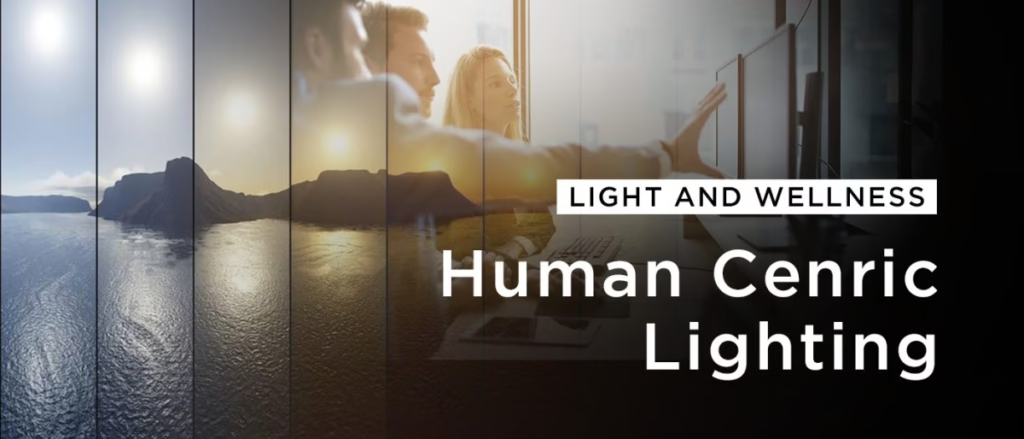
Prioritizing the connection between lighting and wellbeing, designers use circadian lighting and adaptive color temperatures to support human rhythms. Although this trend has roots in research and energy-efficient IoT lighting systems, it is gaining mainstream traction in homes.
The focus areas of this lighting trend center on systems that simulate natural daylight cycles to support the body’s circadian rhythm. In addition, lighting is increasingly designed to adapt throughout the day through smart controls, automatically adjusting brightness and color temperature as needed. As a result, a stronger emphasis is placed on wellness-oriented design, encouraging better sleep health, improved comfort, and enhanced productivity.
This matters because lighting now plays a greater role in influencing mood, regulating sleep cycles, and shaping overall comfort than ever before. As spaces become more multifunctional and people spend more time indoors, thoughtful lighting design is increasingly recognized as essential to supporting both physical wellbeing and emotional balance.
7. Earthy Tones & Warm Metal Finishes
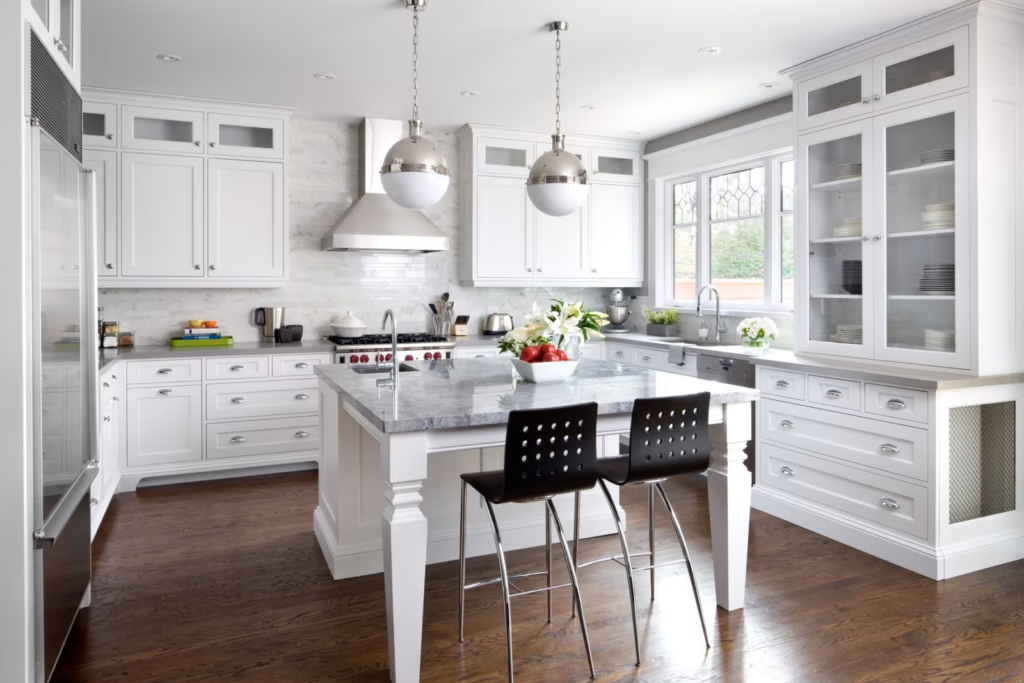
In 2026, lighting finishes are moving beyond polished chrome into earthy, grounded palettes and warm metals like aged brass and champagne bronze.
Popular finishes in 2026 lighting include matte blackened bronze and soft iron, which offer a modern yet understated appeal. In addition, earthy color accents such as sand, terracotta, and forest green are being used to bring warmth and depth to fixtures. Antique patinas and handcrafted textures further enhance the aesthetic, adding character, authenticity, and a sense of artisanal craftsmanship to lighting designs.
These finishes complement the broader interior design trend toward nature-inspired tones and handcrafted aesthetics, creating spaces that feel both warm and authentic. By incorporating materials and colors that evoke natural elements, designers are able to enhance the overall atmosphere of a room, adding depth, texture, and a sense of artisanal quality that resonates with contemporary preferences for sustainable and tactile design.
8. Vintage Revival With a Modern Twist
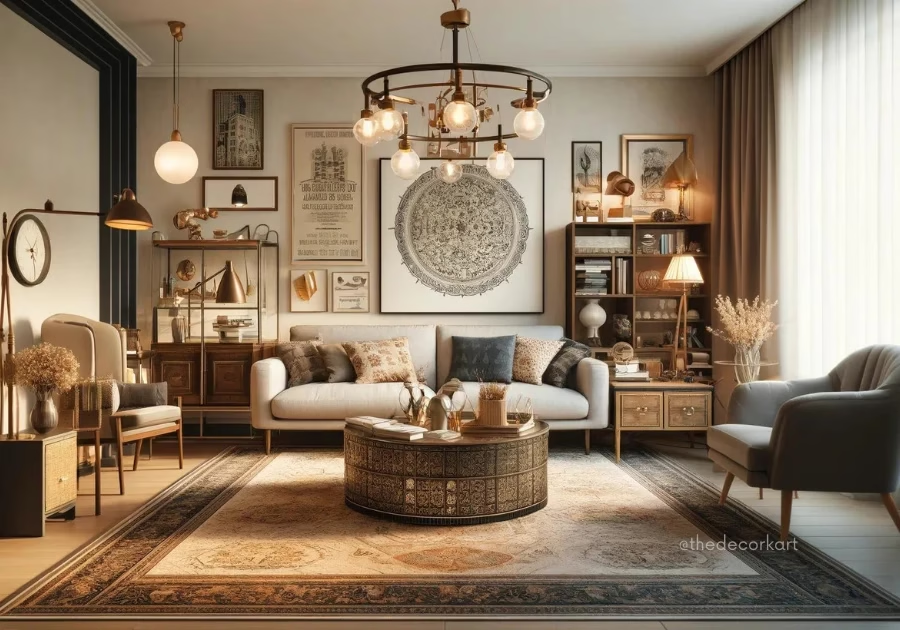
Niche vintage lighting styles — especially Murano glass pendants and designer classics — are being revisited with contemporary reinterpretations. A recent trend report highlighted the resurgence of iconic designs such as the Venetian Murano style as one of the top lighting picks for 2026.
Trends in vintage revival focus on reimagining sculptural glass pieces to suit modern interiors, blending classic artistry with contemporary design. Vintage bulbs and filament aesthetics are being paired with advanced lighting technology, offering nostalgic charm without sacrificing functionality. Additionally, mid-century and retro forms are being updated with softer, more practical lighting solutions, allowing these timeless styles to integrate seamlessly into today’s homes and commercial spaces.
The design impact of these vintage-inspired pieces lies in their ability to blend nostalgic artistry with contemporary functionality. While they evoke the charm and character of classic designs, they also meet modern lighting expectations in terms of brightness, efficiency, and adaptability, making them both visually appealing and practical for today’s interiors.
9. Recessed, Hidden & Subtle Illumination
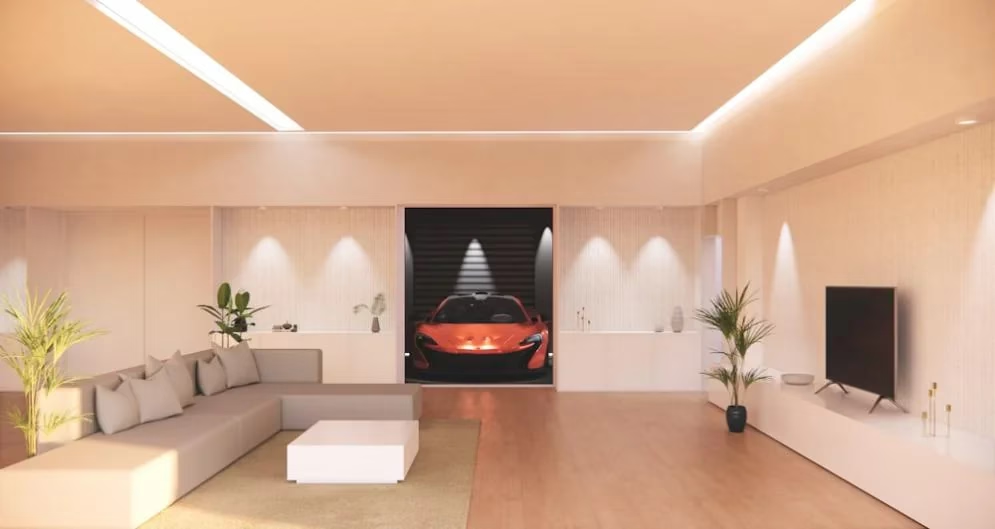
Minimalism persists within lighting trends but is being refined to hidden and architectural lighting rather than ostentatious fixtures.
Key features of this trend include the use of recessed linear lights in walls and ceilings, which provide clean, unobtrusive illumination. Groove LED installations in stair risers or cabinets are also popular, offering both functional and aesthetic benefits. Overall, this approach emphasizes subtle lighting that enhances the design of a space without overwhelming or dominating it, creating a refined and cohesive visual experience.
This trend promotes clean, clutter-free interiors, making it especially well-suited for compact and open-plan living environments. By minimizing visual distractions and integrating lighting seamlessly into the architecture, spaces feel more organized, spacious, and harmonious, enhancing both functionality and aesthetic appeal.
10. Portable & Rechargeable Lights
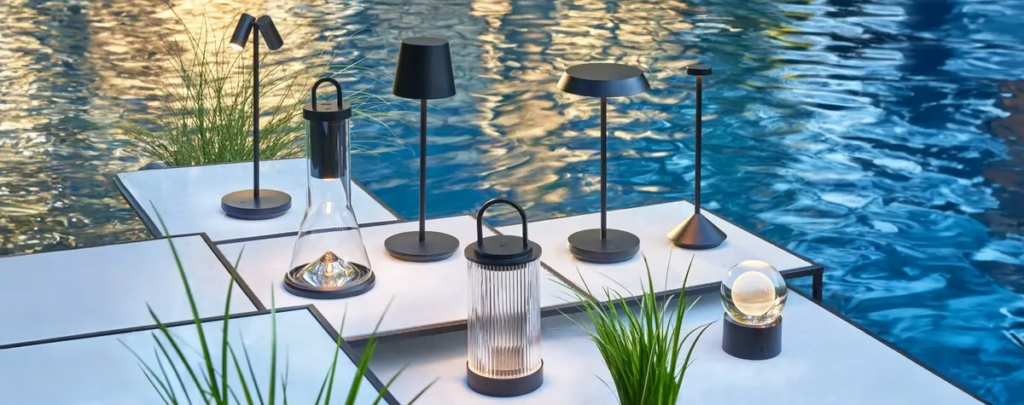
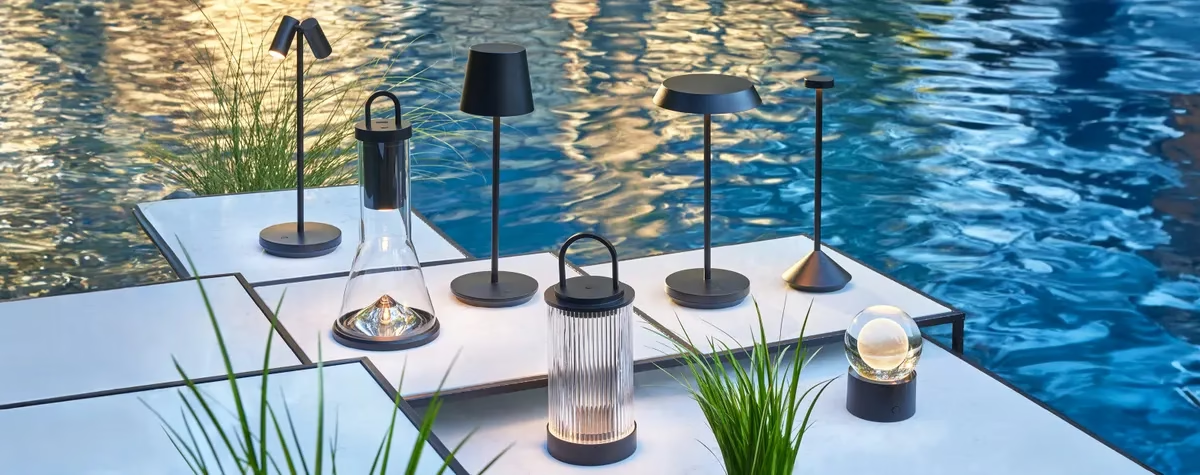
Portable, rechargeable lamps are shifting how people use lighting within daily life. Designers and homeowners alike are moving away from fixed fixtures to flexible, mobile lighting that can be repositioned instantly.
The advantages of this trend include greater flexibility in lighting placement, allowing users to easily move and position lights wherever they are needed. It also enhances ambiance without the need for permanent wiring, making it ideal for temporary setups or adaptable spaces. Additionally, advances in battery technology and LED efficiency have made these portable lighting solutions more powerful and longer-lasting, combining convenience with performance.
These lights serve multiple functions, acting as ambient accents to enhance a room’s atmosphere, portable accessories for travel or temporary setups, and even as artistic lighting pieces that contribute to the overall design. Their adaptability allows them to meet diverse lifestyle needs, providing both practical illumination and aesthetic appeal wherever they are used. These lights function as ambient accents, travel accessories, and lighting art pieces that adapt to lifestyle needs.
Final Thoughts
The Top 10 Lighting Trends for 2026 reflect an industry that is blending aesthetic sophistication, technological evolution, and emotional intention. Lighting is no longer a mere backdrop; it is a central design component that impacts atmosphere, wellbeing, and the very way we use space.
For designers, homeowners, and trend watch enthusiasts, understanding these lighting trends can inspire spaces that feel timeless, connected, and emotionally resonant while remaining rooted in current innovations and real consumer preferences.
Click here to read more trending HOME news