Introduction
The global construction industry accounts for a significant portion of resource use and greenhouse gas emissions. In response, homeowners, architects, and builders are increasingly choosing materials that reduce environmental impact while enhancing durability, comfort, and aesthetic quality. Sustainable buildings are no longer a fringe trend — they are becoming standard practice across residential, commercial, and public structures.
With climate policy tightening and consumer awareness rising, this article explores the most impactful eco-friendly materials for homes today. From carbon-sequestering timbers to fungi-based insulation panels, these materials deliver lower carbon footprints, better energy performance, and positive health outcomes for occupants — without sacrificing design quality.
1. Cross-Laminated Timber (CLT) and Mass Timber
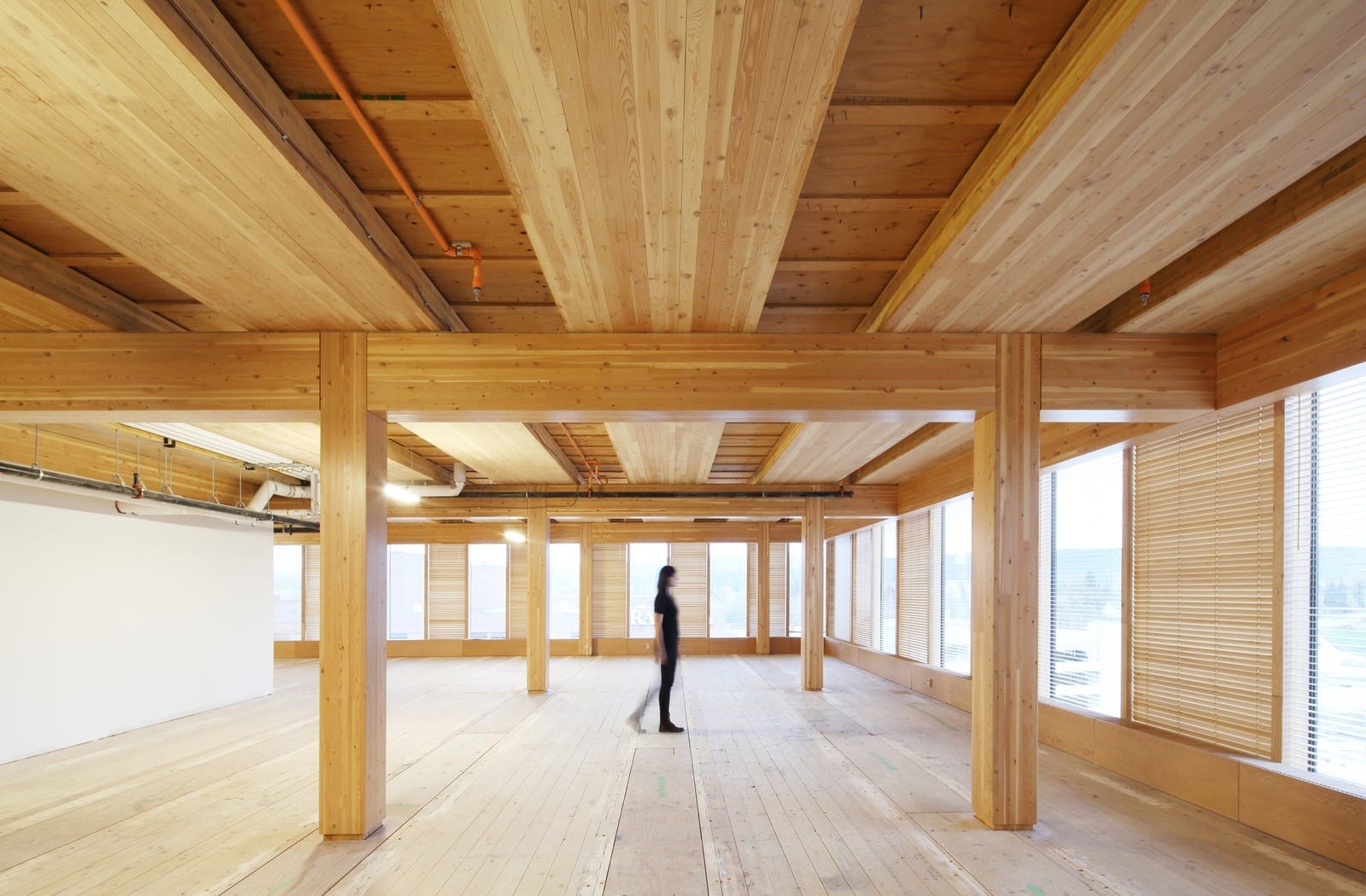
Cross-Laminated Timber (CLT) — part of the broader mass timber family — is an engineered wood panel made by stacking layers of lumber in alternating directions and bonding them with structural adhesives.
Cross-laminated timber (CLT) is considered sustainable for several compelling reasons. First and foremost, wood acts as a natural carbon sink: as trees grow, they absorb and sequester carbon dioxide (CO₂) from the atmosphere, and this stored carbon remains locked within the timber throughout the lifespan of the building. As a result, structures built with CLT can effectively serve as long-term carbon storage systems. In addition, the manufacturing process is highly efficient. Prefabricated CLT panels are produced with precision in controlled factory environments, which significantly reduces material waste, minimizes on-site construction errors, and shortens overall build time. Furthermore, ongoing improvements in building codes and engineering standards have enhanced CLT’s moisture resistance and fire performance, thereby expanding its viability for mid-rise and commercial developments. Collectively, these factors position CLT as a forward-thinking material aligned with sustainable construction objectives.
Cross-laminated timber (CLT) and related engineered wood products, such as glulam and nail-laminated timber (NLT), offer versatile applications in modern construction. They are commonly used for walls, floors, and roofs across a range of building types, including single-family homes, apartment complexes, and sustainable residential estates. Beyond their structural functionality, these materials provide notable thermal benefits: their natural thermal mass and insulation properties help to moderate indoor temperatures, reducing the energy required for heating and cooling. As a result, CLT and its counterparts not only support durable, flexible construction but also contribute to energy-efficient and environmentally conscious building practices.
2. Recycled Steel
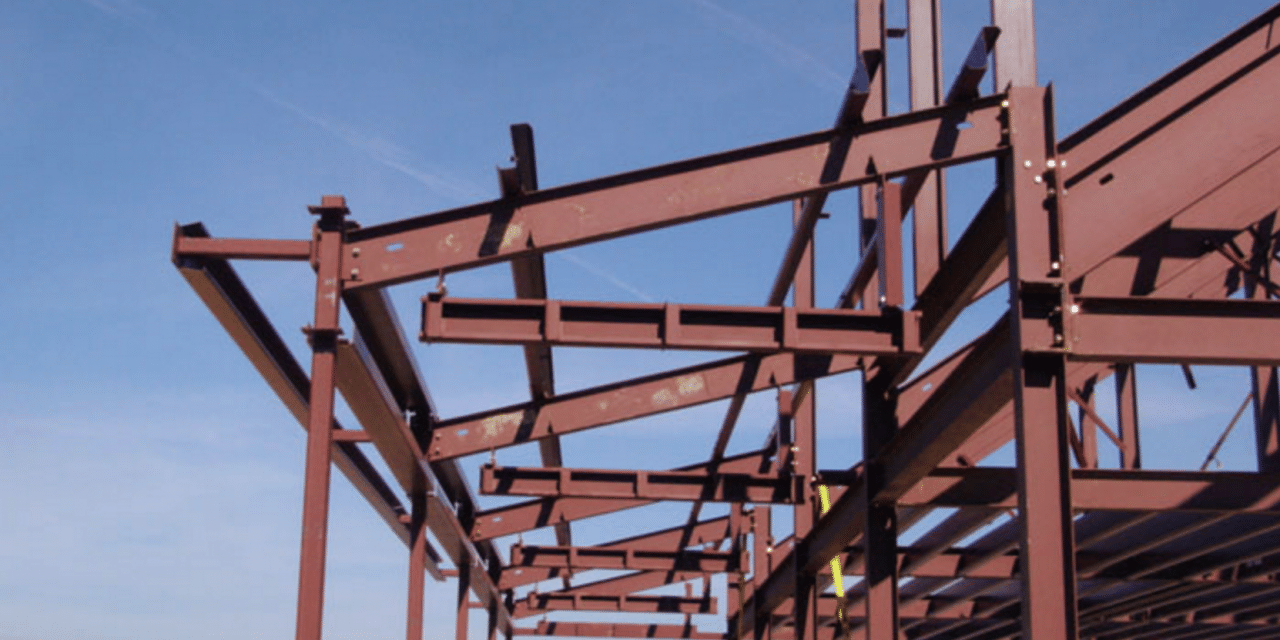
Recycled steel is produced by remelting scrap metal from old buildings, vehicles, and infrastructure, drastically reducing the need for new mining.
Steel has a significant sustainability impact due to its combination of recyclability, efficiency, and strength. One of its most notable environmental benefits is infinite recyclability, as steel can be reused repeatedly without any loss of structural integrity. Additionally, producing steel from recycled sources generates far lower carbon emissions compared to manufacturing virgin steel, helping to reduce the overall environmental footprint of construction projects. Beyond its ecological advantages, steel continues to excel in structural performance, remaining one of the strongest and most reliable materials for framing, reinforcements, and large-scale infrastructure applications. Together, these attributes make steel both a durable and environmentally responsible choice for modern building practices.
Steel finds wide application in modern construction, particularly in forming structural skeletons, supporting roofing systems, and creating hybrid frames when integrated with mass timber. This combination leverages the strength and durability of steel alongside the sustainability and thermal benefits of timber, making it especially suitable for high-performance, eco-friendly homes. By pairing these materials, builders can achieve structures that are not only robust and long-lasting but also aligned with energy-efficient and environmentally responsible design principles.
3. Bamboo — Nature’s High-Performance Renewable
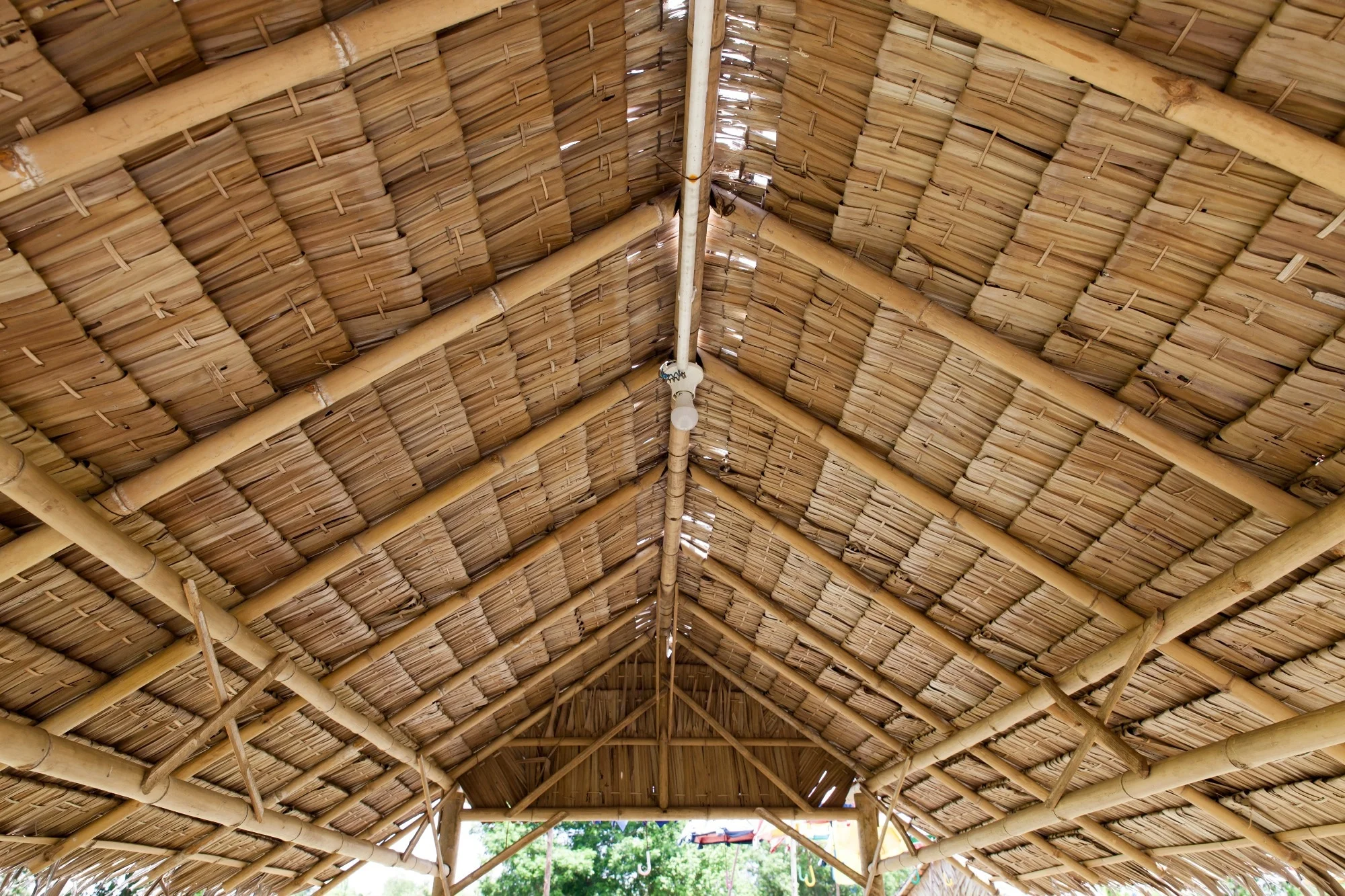
Bamboo is one of the fastest-growing plants on Earth, capable of reaching maturity in 3–5 years — a fraction of the time required for traditional hardwood.
Bamboo is widely recognized for its eco-friendly qualities due to its rapid renewability, remarkable strength, and low environmental impact. Its fast growth rate, coupled with a natural ability to sequester carbon, makes it an exceptional sustainable resource for construction and manufacturing. Certain bamboo species even provide strength levels comparable to structural steel for specific applications, offering a durable alternative to conventional materials. Additionally, bamboo cultivation requires minimal water and little to no pesticides, significantly reducing the environmental stress typically associated with traditional crops. Together, these characteristics position bamboo as a highly sustainable and environmentally responsible material choice.
Bamboo is a versatile material with a wide range of applications across both decorative and structural uses. It is commonly employed in flooring, wall paneling, and furniture, offering a natural aesthetic alongside durability. In addition to these interior and design-focused uses, bamboo can also serve as a load-bearing material in construction, particularly in tropical climates where its strength and rapid growth make it an ideal choice for sustainable building projects.
4. Hempcrete — Carbon-Neutral Insulation Blocks
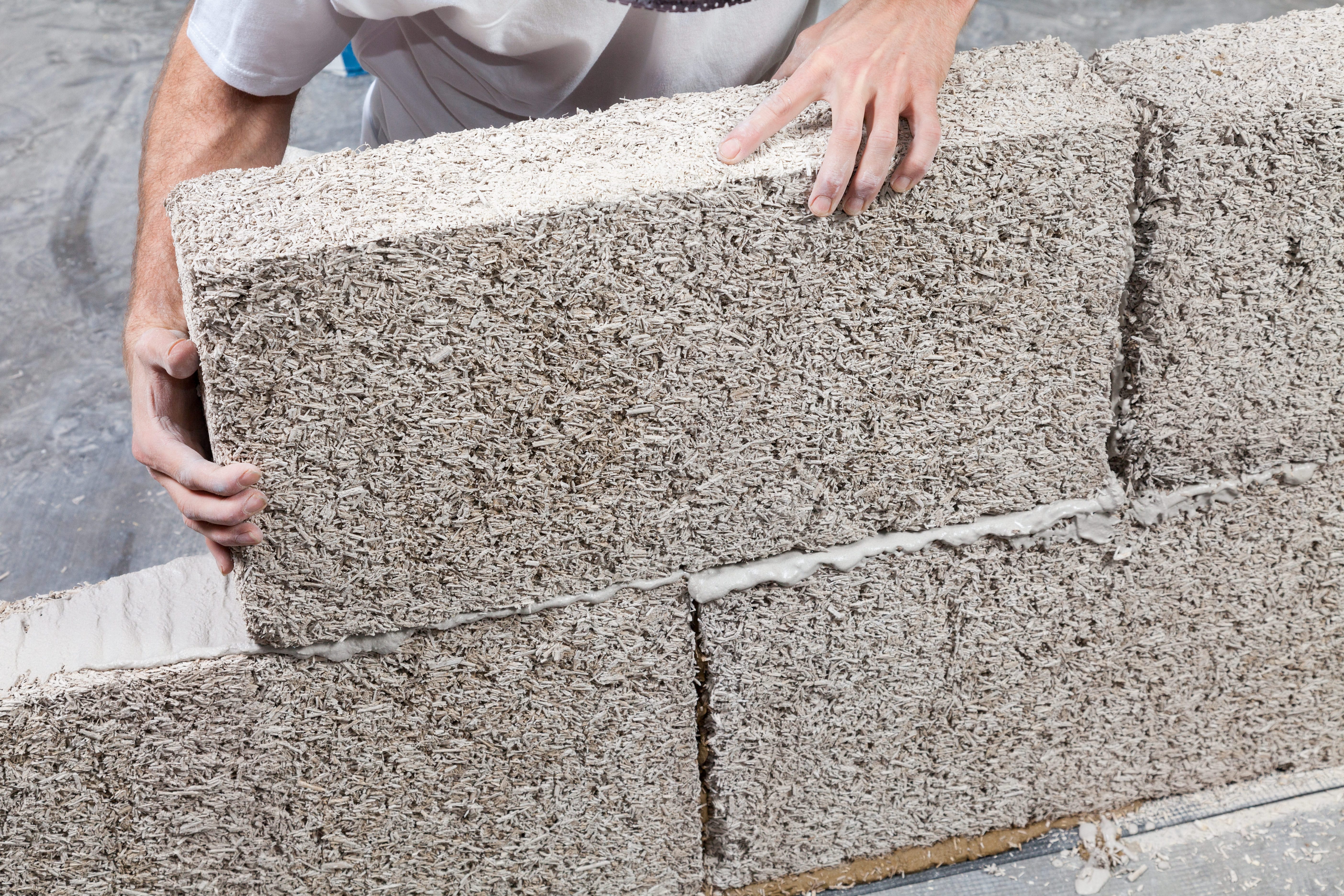
Hempcrete is a bio-composite made from hemp fibers bound with lime and water. It is lightweight and breathable, ideal for infill walls and insulation.
Hemp offers significant environmental advantages, making it an increasingly attractive material in sustainable construction. It is considered carbon negative because hemp plants absorb more carbon dioxide during their rapid growth cycle than is emitted throughout harvesting, processing, and manufacturing, effectively reducing the overall carbon footprint of a building. In addition, hemp-based materials such as hempcrete provide excellent thermal performance, delivering high levels of insulation that help lower heating and cooling demands and improve overall energy efficiency. Furthermore, hemp’s natural breathability enhances indoor air quality by regulating moisture levels, thereby minimizing the risk of mold growth and damp-related issues within interior spaces.
Hemp-based materials are commonly used in sustainable homes and retrofit projects where energy efficiency and wall breathability are key priorities. They are particularly valued in designs that aim to enhance thermal performance while maintaining healthy indoor air quality through effective moisture regulation.
5. Mycelium-Based Materials
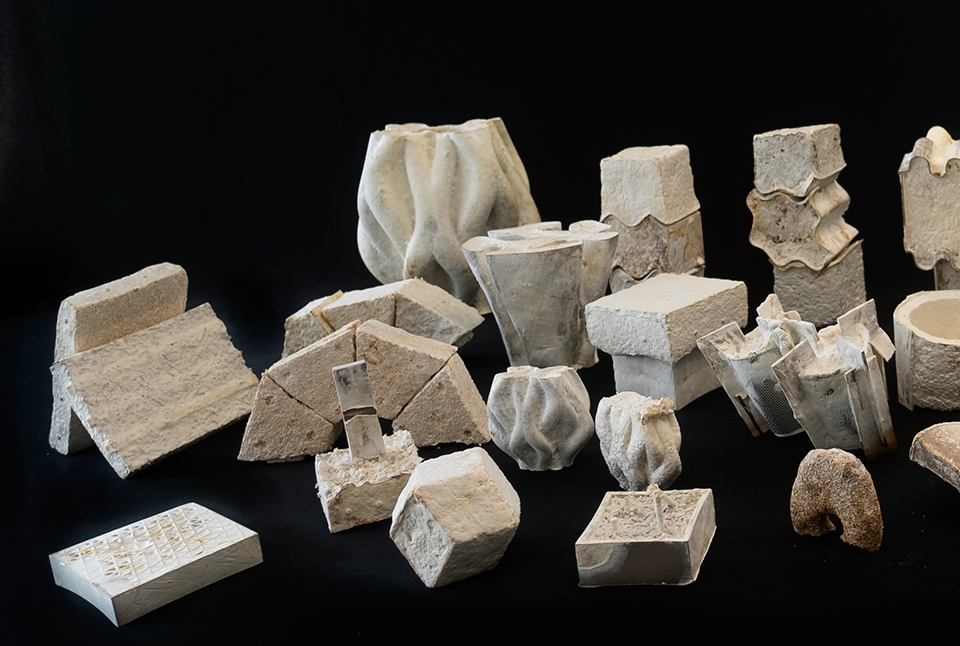
Mycelium refers to the root-like network structure of fungi that grows beneath the surface of organic matter. When cultivated on agricultural waste such as husks or straw, it binds the material together as it grows, forming a dense, lightweight composite. This process results in biodegradable biomaterials that can be molded into various shapes and used as sustainable alternatives to conventional insulation, packaging, and panel products in construction and design.
Mycelium materials present a strong sustainability profile across multiple dimensions. They are fully biodegradable, meaning that at the end of their life cycle, they can naturally decompose and return to the earth without leaving harmful residues. Production also requires significantly less energy compared to the manufacturing of synthetic insulation or panel systems, as mycelium grows using minimal inputs and agricultural byproducts. Furthermore, the material has demonstrated promising affordability for low-cost housing; for example, in Nairobi, mycelium panels were used to construct a small home for approximately $208, highlighting its potential for accessible and climate-resilient housing solutions.
This emerging technology is gaining global traction as research and development efforts continue to expand its structural integrity and functional applications. Advances in material science and biofabrication are enabling mycelium-based composites to move beyond experimental prototypes toward broader use in construction, interior systems, and product design, positioning it as a viable alternative within the growing bio-based materials sector.
6. Rammed Earth and Compressed Earth Blocks

Rammed earth represents a fusion of traditional and modern construction practices, as it is one of the oldest building techniques—created by compacting moist soil within temporary formwork—while contemporary engineering methods have significantly improved its structural reliability, durability, and performance standards.
Rammed earth delivers substantial ecological advantages due to its low-impact production and long service life. Because the primary material—soil—is typically sourced onsite or from nearby locations, minimal processing and transportation are required, significantly reducing embodied energy. In addition, its thick, dense walls provide superior thermal mass, absorbing heat during the day and releasing it slowly at night to help stabilize indoor temperatures throughout the year. When properly engineered and protected from excessive moisture, rammed earth structures can endure for centuries, demonstrating exceptional durability alongside environmental efficiency.
Often used for exterior walls, foundations, and sustainable homes in dry or temperate climates.
7. Recycled Plastic and Composite Materials
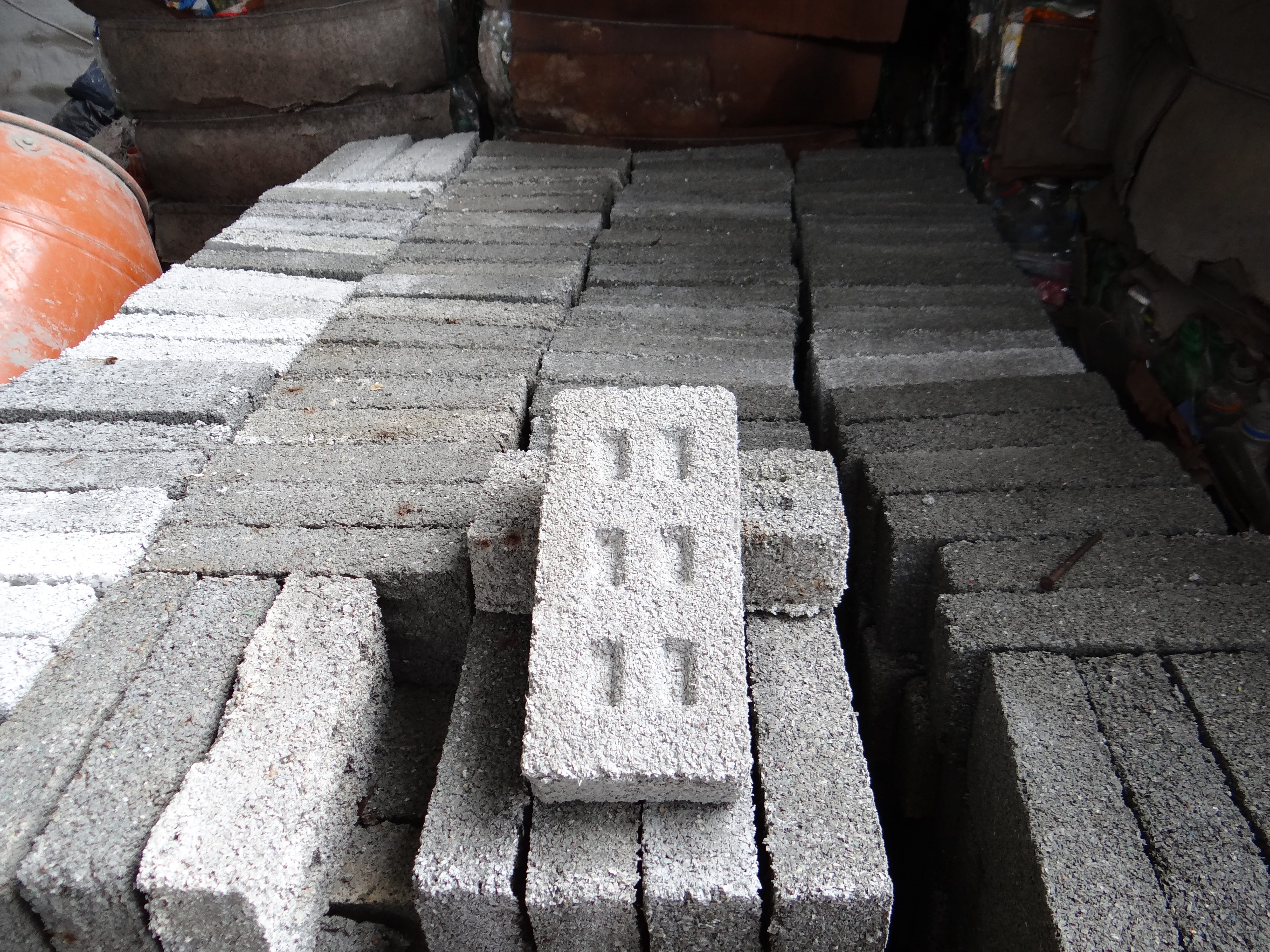
Recycled plastics sourced from discarded bottles, sachets, and industrial waste are increasingly being repurposed into durable construction materials such as bricks, composite boards, and paving systems. This approach promotes resource circularity by diverting plastic waste from landfills and oceans while converting it into functional building components for infrastructure and construction projects.
The use of recycled plastics in construction is increasingly important for addressing global waste challenges while creating durable building materials. By transforming discarded plastics into bricks, composite boards, and paving products, large volumes of waste are diverted from oceans and landfills, helping to reduce environmental pollution. At the same time, many recycled plastic construction materials are both lightweight and highly durable, offering strong resistance to moisture, weathering, and corrosion, which allows them to maintain performance over long periods with minimal maintenance.
Recycled plastic materials are increasingly being used in a variety of construction applications, particularly in sustainable housing projects. They are commonly manufactured into bricks, pathway pavers, and exterior panels, providing durable and weather-resistant alternatives to traditional materials while contributing to waste reduction and resource efficiency in the built environment.
8. Cork — Renewable & Healthy Material
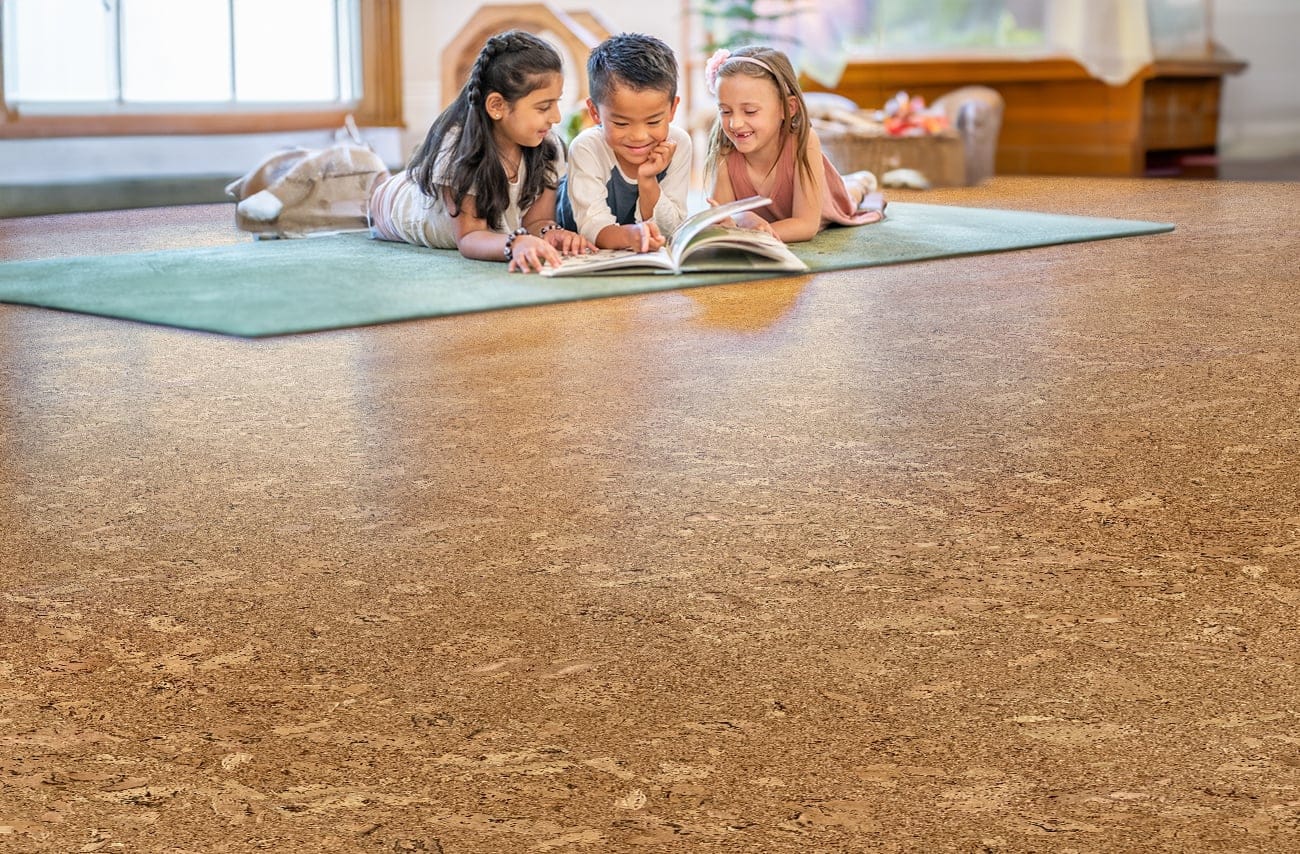
Cork is a natural material harvested from the bark of cork oak trees through a process that does not harm the tree, allowing the bark to regenerate and be harvested repeatedly over time. This renewable harvesting method makes cork an inherently sustainable resource, widely valued for its environmental benefits and long-term ecological viability.
Cork stands out for its strong sustainability profile and versatile performance in building applications. It is both renewable and recyclable because cork oak trees naturally regenerate their bark after harvesting, allowing the material to be collected multiple times throughout the tree’s lifespan without causing harm. In addition, cork offers excellent thermal and acoustic performance, making it highly effective for flooring systems and wall insulation where temperature control and sound absorption are important. Beyond its technical benefits, cork also enhances interior spaces with its natural aesthetics, introducing warm, organic textures that contribute to a more inviting and environmentally conscious design.
Cork is best used in applications where comfort, sustainability, and indoor air quality are important considerations. It is commonly installed as flooring, wall coverings, and insulation due to its natural softness, thermal insulation properties, and sound-absorbing qualities, all of which contribute to creating healthier and more comfortable interior environments.
9. Low-Carbon and Alternative Cements
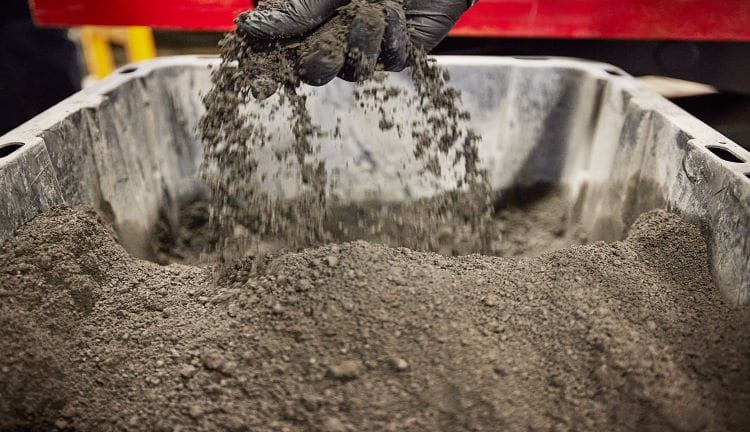
The construction industry is increasingly looking beyond traditional Portland cement due to its significant contribution to global greenhouse gas emissions. As a result, alternative binders such as geopolymer cements and Ferrock are gaining attention for their potential to reduce the carbon footprint of concrete production while maintaining strong structural performance. These emerging materials often utilize industrial byproducts or recycled components, making them promising options for more sustainable infrastructure and building systems.
Alternative cement technologies offer significant environmental advantages compared with traditional Portland cement. One major benefit is the reduction of embodied carbon, as many of these materials incorporate industrial byproducts such as fly ash and slag, which substantially lowers greenhouse gas emissions associated with cement production. In addition, innovative binders are being developed, including Ferrock, a material made from recycled steel dust and ground glass that not only repurposes industrial waste but also absorbs carbon dioxide during the curing process, further contributing to carbon reduction in construction.
These alternative cement materials are increasingly being applied in a wide range of construction uses, including foundations, pavements, and precast panels, as well as other concrete structural components. Their adoption is particularly attractive for projects aiming to reduce the overall carbon footprint of buildings and infrastructure while maintaining the structural performance expected from conventional concrete systems.
10. Natural Fibre Insulation & Earth-Based Finishes
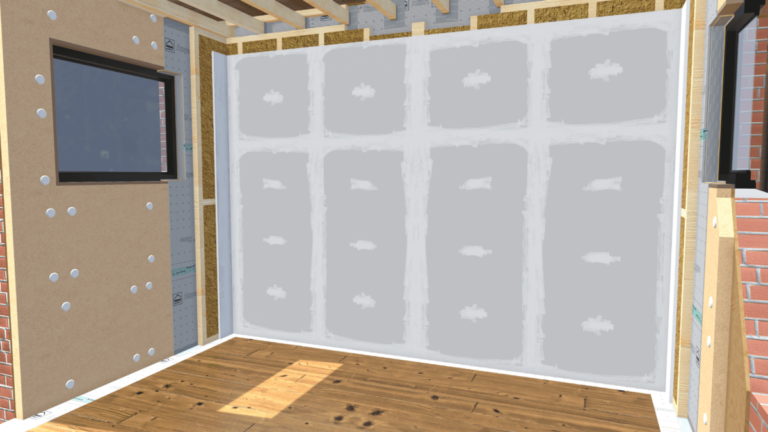
Beyond primary structural materials, sustainable homes rely on bio-based insulation (e.g., sheep’s wool, cellulose) and traditional finishes like clay or lime plaster. These materials improve indoor air quality and reduce reliance on chemical-heavy products.
Natural fiber materials offer multiple benefits for building interiors, particularly in enhancing indoor environmental quality. Their inherent ability to regulate moisture helps maintain balanced humidity levels, reducing the risk of mold growth and associated health issues. Additionally, these fibers are typically low in toxicity, contributing to improved indoor air quality and creating safer, healthier living spaces for occupants.
Conclusion
Adopting sustainable building materials isn’t simply a trend; it’s an imperative in the face of climate change, resource depletion, and urbanization pressures. Whether it’s mass timber that locks away carbon, mycelium panels that biodegrade naturally, or recycled plastics repurposed into durable construction elements, each material plays a role in creating resilient, efficient, and future-ready homes.
As we look toward 2030 and beyond, sustainable materials are foundational to achieving net-zero emissions goals, improved indoor health, and climatesmart living. Selecting the right materials today lays the groundwork for homes that are not only beautiful and functional but also truly regenerative.
Transform your space: check out today’s trending HOME stories!